By the end of May 2026, ongoing spikes in global fuel prices have created cascading pressure across Belize’s entire public transportation sector, leaving both service providers and daily commuters grappling with unavoidable cost increases. The crisis first boiled over earlier this month, when independent bus operators blocked the Tower Hill Bridge in Orange Walk District to demand fare adjustments to offset skyrocketing fuel expenses. After emergency negotiations involving bus operator representatives, the Belize Bus Association, the Ministry of Transport, and the Office of the Prime Minister, a deal was reached to lift the blockade and restore normal traffic flow — but the agreement came at a tangible cost for commuters, with short routes seeing 50-cent hikes and long-distance fares jumping by as much as $1 Belize dollar.
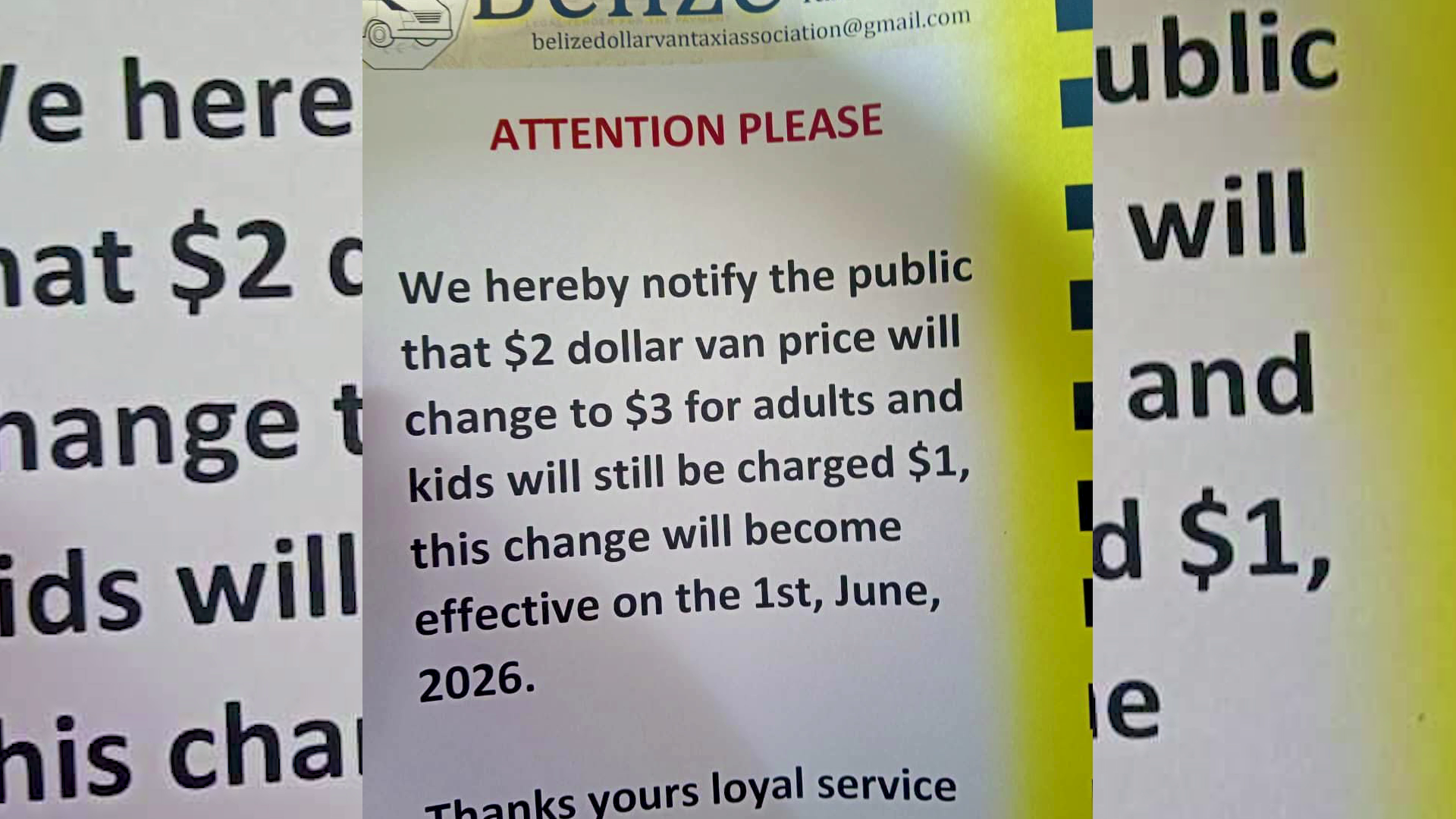
Now, the next segment of Belize’s shared transit industry, the iconic dollar van services that carry thousands of low-income and daily commuters across Belize City, has followed suit with its own price adjustment. In an interview with local outlet News Five, Belize Dollar Van Taxi Association President Richard Swift confirmed that starting June 1, adult fares on dollar van routes will rise from $2 to $3 Belize dollars, with children’s fares unchanged. According to Swift, the fare hike is a direct, unavoidable response to the relentless upward trajectory of fuel costs that has squeezed drivers’ already thin profit margins.
“Most of our members are already taking a loss right now because gas keeps going up,” Swift explained, noting the urgent need to adjust fares from $2 to $3. “It all comes down to the rising price of fuel.” As of late May 2026, a single gallon of regular gasoline in Belize costs nearly $15 Belize dollars — a price point that most drivers cannot absorb without passing some costs along to riders. To put the impact in perspective, Swift shared his own daily expenses: just a few years ago, he spent $100 Belize dollars a day to refuel his van for daily routes. Today, that same daily refueling costs $150, a 50% increase that cuts straight into his earnings.
Sherriff Salau, a veteran dollar van driver with years of experience on Belize City routes, echoed Swift’s comments, acknowledging that commuters will not welcome the price increase but urging them to recognize the necessity of the change. Salau noted that many regular riders have already shared that they may adjust their travel habits in response, with some saying they will switch to walking or cycling for shorter trips to avoid the higher fare. Still, drivers say the alternative — going out of business entirely and leaving commuters with no shared transit option — is far worse for the public.
Beyond fuel costs, Swift also highlighted a second ongoing challenge for association members: unregistered, non-member operators who run unregulated van services along established dollar van routes, undercutting regulated fares and siphoning passengers away from licensed providers. The association is currently in active discussions with the Belize City Council to address this gap, calling for stricter oversight of informal transit providers and requirements for all vans operating fixed routes to meet the same standards and regulations as association members. Swift noted that if the city council can help crack down on unregulated competition, association drivers could even roll back the fare hike eventually, but without action, price increases are the only way to stay operational.
Moving forward, the Belize Dollar Van Taxi Association plans to continue negotiations with local government officials and stakeholders to identify long-term solutions to the dual challenges of rising fuel costs and unregulated competition, while also working to upgrade service quality for commuters across the city. Britney Gordon contributed this report to News Five.