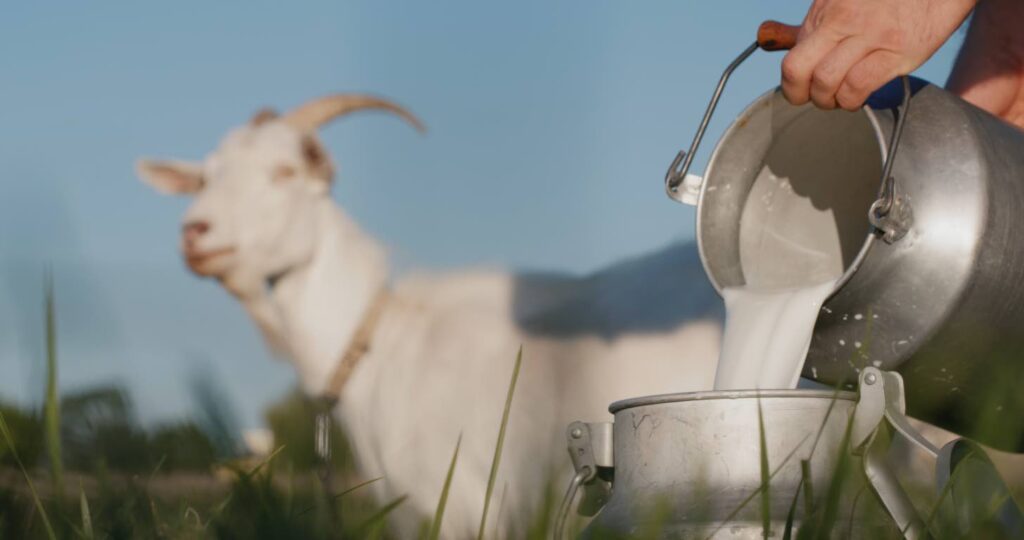
During a legislative sitting held Friday, Jamaica’s Senate advanced two key industry-focused bills, drawing heated debate over proposed changes to the island nation’s dairy regulatory framework and bipartisan support paired with pointed oversight concerns for reforms to conch export levy rules. The most contentious of the two pieces of legislation is the amendment to the 2026 Jamaica Dairy Development Board Act, which redefines qualifying dairy products to include items containing as little as 5% milk solids — a sharp drop from the previous 50% threshold set in alignment with European Union regulations. The bill also expands the formal definition of milk beyond cattle to include milk from all animal sources, a change framed by government legislators as a long-overdue modernization aligned with global industry trends. Piloting the legislative debate, Government Senator Aubyn Hill framed the amendments as a targeted fix for longstanding regulatory gaps that have allowed unregulated imported dairy-containing products to enter Jamaican markets. He noted that major North American markets including the United States and Canada have already updated their own dairy classifications to include milk from small ruminants like goats and sheep, and Jamaica’s update brings the nation into line with these shifting international standards. Explaining the rationale for the dramatically lower milk solids threshold, Hill emphasized that the original 50% requirement was far too restrictive, creating a loophole that allowed a wide range of processed products with significant dairy content to avoid classification as dairy products entirely, slipping past regulatory oversight and skipping required cess payments. “To create a clear, consistent regulatory framework in Jamaica, we are establishing a five per cent milk solid content threshold for set purposes in relation to the trade of milk products and milk by-products,” Hill told the chamber. Under the new rule, any product with more than 5% milk solids will be formally classified as a dairy product, requiring official import approval and falling under full regulatory supervision, a change Hill argues will strengthen, rather than weaken, the nation’s food import oversight. But the changes have drawn sharp pushback from opposition legislators, who warn the amendment threatens Jamaican food safety standards, hurts local dairy producers, and creates unaddressed regulatory ambiguity. Opposition Senator Allan Bernard argued that the new, lower threshold will disproportionately benefit importers of heavily processed imported dairy substitutes, while putting additional economic strain on local dairy farmers who are already grappling with spiking input costs for feed, land and energy. Bernard also raised questions about the vague, broad language of the updated definition of milk, which now includes milk from “any animal.” “Jamaicans will legitimately ask, what exactly does any animal mean? What limitations exist? What protections are established? And who determines what may ultimately enter the Jamaican food chain under the label of dairy?” Bernard asked. Hill rejected these criticisms, asserting that Bernard had misinterpreted the core purpose of the amendment, repeating that the lower threshold brings more imported products under regulation rather than opening the market to uninspected goods. Alongside the dairy amendments, the Senate also unanimously approved the 2026 Conch (Export Levy) (Amendment) Act, a bill designed to give conch exporters much-needed financial flexibility during periods of industry disruption. The new framework authorizes the relevant government minister to approve instalment payments for export levies tied to licences and health certificates, extend payment deadlines for up to 12 months, and waive or reduce levy obligations under specific circumstances, following formal recommendations from Jamaican fisheries authorities. Hill explained that the reform is a direct response to the growing frequency of disruptive events that upend conch fishing operations, from severe weather events driven by climate change to unexpected external trade shocks. “The rationale for this amendment is that, in the event of a disruption in the fishing season, for instance severe weather conditions and or other external trade factors, this enlarged period would provide adequate time for an exporter of conch to make the relevant payment of the levy,” he said. While opposition legislators supported the bill, they used the debate to highlight longstanding concerns about unsustainable fishing practices, including illegal poaching and overfishing in Jamaican waters, and questioned the effectiveness of the Fisheries Management and Development Fund in protecting the nation’s wild conch stocks. In response, Hill confirmed that the Andrew Holness administration has significantly bolstered maritime enforcement capacity by expanding the coast guard’s fleet of well-armed patrol vessels, cracking down on unauthorised foreign vessels that enter Jamaican waters to poach fish and other marine resources. “No country really is going to get rid of illegal fishing entirely…but what we have to do is make sure we reduce the level — and that is a continuing work,” Hill added. Both pieces of legislation have now passed the Senate and will move forward to the next stage of implementation.