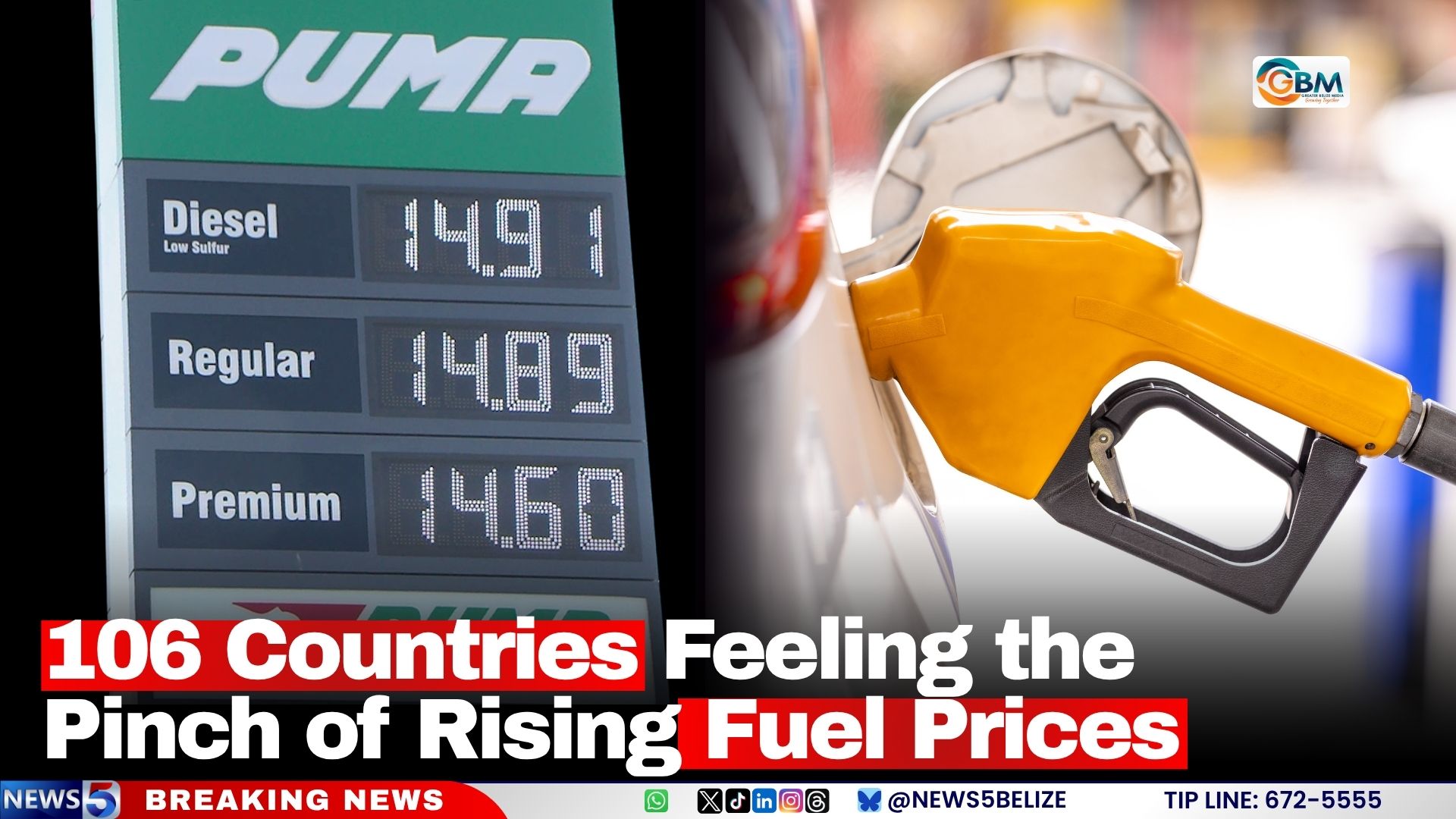
Nearly two months after the outbreak of armed conflict between the United States and Iran in February 2026, a sharp, widespread spike in global fuel prices has sent economic ripples across more than 100 nations, straining household budgets and igniting political debate in affected countries.
The primary driver of the price rally has been widespread market anxiety over potential prolonged disruptions to oil shipments through the Strait of Hormuz, a chokepoint that carries nearly a fifth of the world’s daily oil consumption. This geopolitical risk pushed Brent crude prices above the $100 per barrel mark in late April and early May, a threshold not seen in years, and filtered down directly to retail fuel prices at the pump around the globe.
Data compiled by Global Petrol Prices shows that within just three weeks of the war’s start, 106 countries recorded measurable increases in retail gasoline prices. The Philippines has seen the most dramatic jump, with prices surging more than 54% since the conflict began. In the United States, the national average for a gallon of regular gasoline now tops $4.50, marking a roughly 50% increase since February. The timing of the surge could not be worse for American consumers, coming just ahead of the Memorial Day holiday that kicks off the peak summer driving season. According to CNN reporting, the added fuel costs have amplified existing cost-of-living frustrations, dragging down public approval of the U.S. administration’s economic management among voters.
Smaller nations have not escaped the crisis, and Belize offers a clear example of how the global shock is playing out locally. The Central American country has now seen four separate fuel price hikes this year alone. In Belize City, regular gasoline and diesel now cost $14.83 per gallon, while premium-grade gasoline runs $14.53 per gallon. Prices climb even higher in more remote southern regions, with diesel topping $15.80 per gallon in Punta Gorda.
Belize’s Prime Minister John Briceño has defended his administration’s response, noting that the country is a negligible player in the global fuel market with far less purchasing power than major economies like the United States, which can negotiate bulk discounts. To soften the blow for consumers, Briceño says his government has cut fuel taxes, forgoing an estimated $80 million in public revenue to keep prices lower than they would otherwise be. “What we have been doing is trying to cut the taxes on fuel. About now we have given up about eighty million dollars in revenue,” Briceño stated during a press appearance Wednesday.
Even with these tax concessions, however, ordinary Belizeans are feeling the financial strain. “I usually spend a lee fifty every two or three days, but it feel like right now I the spend that every day and a half,” one Belize City resident told reporters, describing the increased burden on daily commuting and household expenses.
The ongoing crisis has opened a political rift, with Opposition leader Tracy Panton arguing that the ruling administration has not done enough to shield Belizeans from the global shock. Panton has labeled the combination of sky-high fuel costs and broader cost-of-living increases “COVID 2.0,” drawing a parallel to the widespread economic disruption the country experienced during the coronavirus pandemic.