In direct response to the World Health Organization’s recent classification of the ongoing Ebola outbreak in the Democratic Republic of Congo and Uganda as a Public Health Emergency of International Concern (PHEIC), the Caribbean nation of Antigua and Barbuda has moved swiftly to bolster its national public health defenses, Health Minister Michael Joseph announced during a Friday press briefing. Minister Joseph emphasized repeatedly that as of the announcement, the dual-island state has recorded zero suspected or confirmed cases of the Ebola virus, and the overall risk of imported transmission to the country remains low.
To pre-empt any potential arrival of the virus, the Ministry of Health is set to present a proposal to the Antigua and Barbuda Cabinet introducing temporary entry restrictions for travelers originating from the designated Ebola-affected regions of Central and East Africa. Under the draft framework, any individual who has visited an identified outbreak area within the 45-day period prior to their intended arrival in Antigua and Barbuda will be barred from entering the country. The timing of these enhanced preparations is tied to the launch of expanded international air service from Nigeria, scheduled to begin on May 25, 2026, which will bring an increased volume of incoming travelers to the country’s main port of entry.
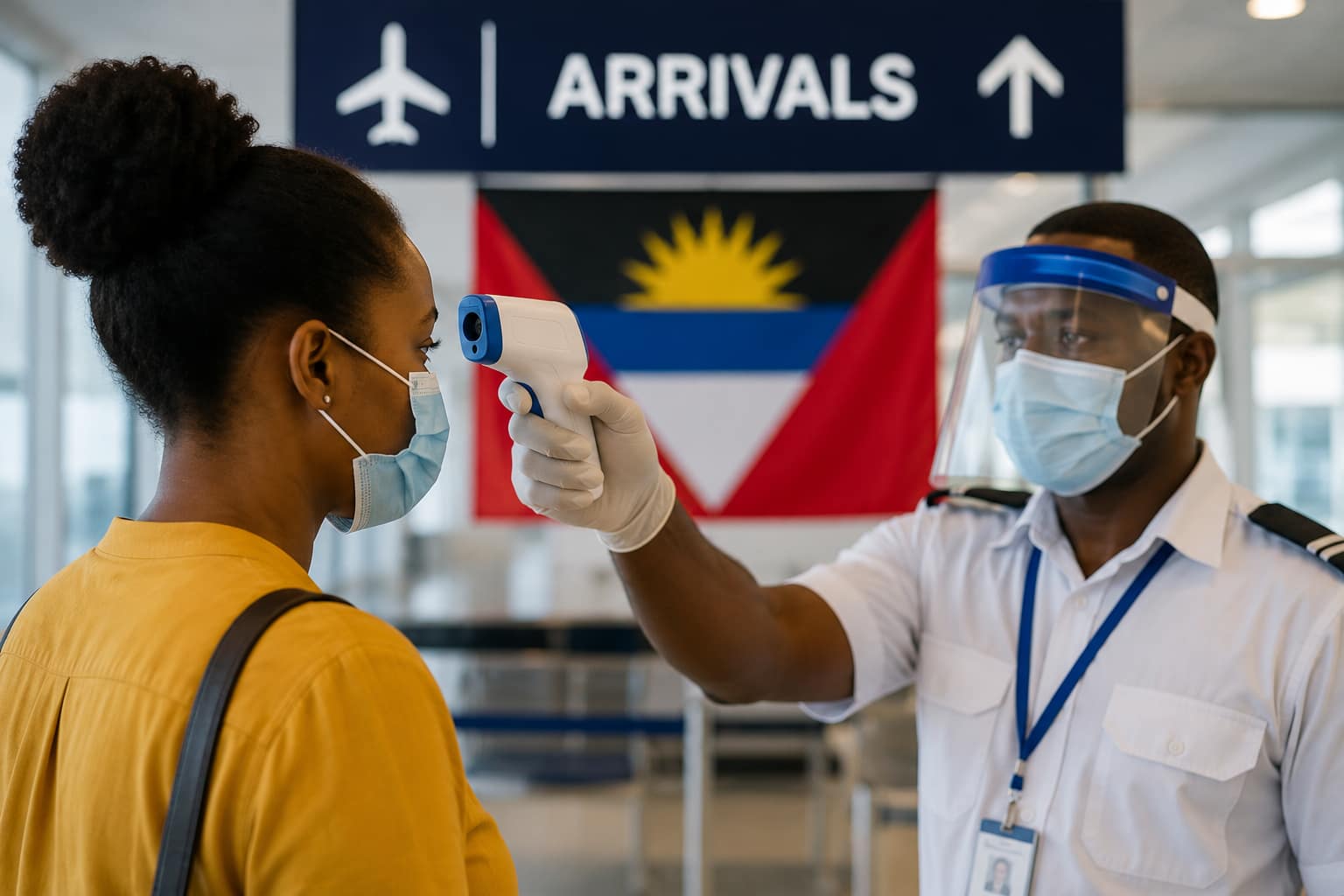
As a core component of strengthened passenger screening protocols, health authorities are preparing to reactivate infrared thermal camera systems at V.C. Bird International Airport, the country’s primary international gateway. Beyond temperature screening, the upgraded public health measures include stepped-up traveler health assessments, integrated operational coordination between immigration officials, customs agents, airport management teams and airline service providers, and expanded public health staffing at the airport to manage enhanced screening capacity.
The government has also ramped up routine surveillance activities at all ports of entry nationwide, updated infection control protocols for local healthcare facilities, and deepened information and coordination partnerships with regional and global public health agencies. National Ebola response protocols, first developed in response to the 2014 West African Ebola epidemic, are currently undergoing a full review and update to align with current global guidance covering surveillance protocols, infection prevention and control practices, clinical case management, and safe protocols for handling infectious human remains. Additionally, the country’s national infectious disease treatment facility is being prepped and stocked to provide specialized isolation care if any cases are confirmed in the future.
While stressing that risk remains low, Minister Joseph urged Antigua and Barbuda residents to maintain basic public health vigilance. He encouraged consistent, proper hand hygiene and advised anyone experiencing fever or unexplained illness – particularly those who have recently traveled internationally – to seek immediate medical evaluation. The government, he confirmed, will maintain continuous active monitoring of the Ebola outbreak situation globally and will issue timely public updates if adjustments to current measures become necessary.