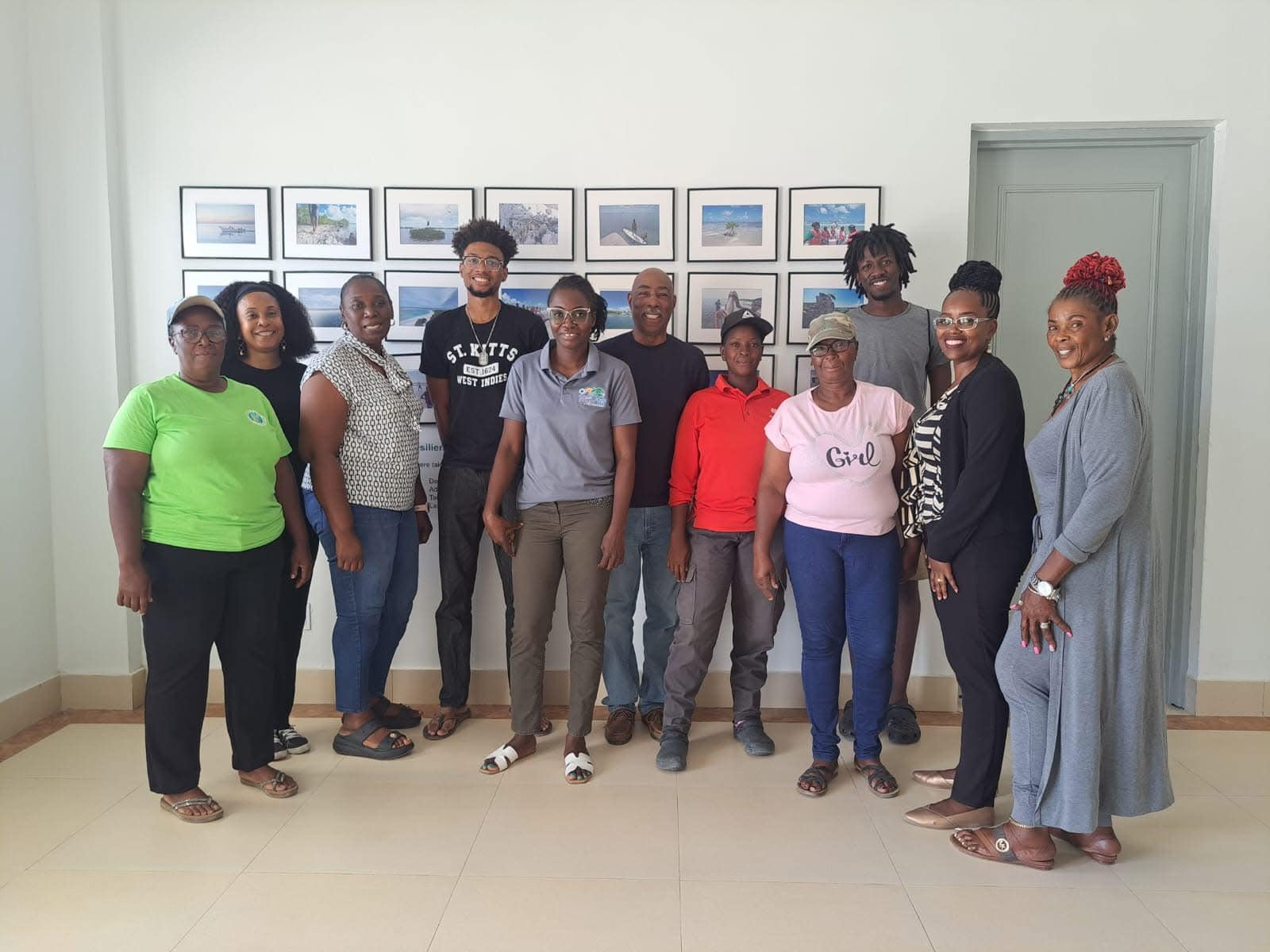
In a push to build a more inclusive and sustainable national environmental strategy, stakeholders from across Barbuda gathered for a targeted consultation Tuesday, 19 May 2026, at the Barbuda Community Centre. The meeting’s core mission was to embed gender perspectives into the ongoing update of Antigua and Barbuda’s National Biodiversity Strategy and Action Plan (NBSAP), a process backed by the United Nations Development Programme (UNDP) and led locally by the Gilbert Agricultural and Rural Development Centre (GARD Centre).
Unlike broad national discussions, this consultation was specifically tailored to center the distinct realities of Barbuda’s population. Organizers designed the session to capture the unique on-the-ground experiences, top priorities, and unaddressed challenges that Barbuda residents face in their interactions with local ecosystems. Over the course of the meeting, participants exchanged insights across four key thematic areas: biodiversity conservation, natural resource governance, community livelihoods, and climate resilience, with a deliberate focus on how environmental change and resource management impact women and men differently.
National consultant Mellissa Johnson led the discussion, with technical input provided by specialist Refica Attwood. Among the most pressing issues raised by attendees was saltwater intrusion into Barbuda’s freshwater aquifers, a growing climate-linked threat that participants emphasized undermines daily access to clean water, strains local livelihoods, and blocks progress toward sustainable resource management on the island.
All input collected during the consultation will be used to identify targeted, context-specific opportunities to integrate gender considerations into the revised NBSAP framework. Because of Barbuda’s unique environmental and social landscape—distinct from the larger island of Antigua—priority actions for the island will be evaluated and incorporated separately from those developed for Antigua.
Event organizers extended gratitude to all attendees for their contributions to advancing a more equitable, people-centered biodiversity strategy for the twin-island nation. For residents who were unable to participate in the in-person consultation, organizers noted that public input remains open, and interested contributors can reach out directly to the GARD Centre to share their perspectives.