The 79th World Health Assembly (WHA) officially opened this week in Geneva, bringing together delegates from 190+ nations to advance a sweeping agenda focused on reshaping the future of global public health. Against a backdrop of rising emerging infectious disease threats, the summit has placed two urgent outbreaks — Ebola and hantavirus — at the top of its priority list, even as a procedural vote to include Taiwan as an observer failed to pass.
Belize’s Health Minister Kevin Bernard, leading the push for Taiwan’s observer status, used his official address at the assembly to reaffirm his country’s longstanding support for Taipei’s inclusion in global health governance. Bernand’s initiative, co-sponsored by 10 other like-minded countries, sought to add the issue of Taiwan’s participation to the assembly’s official agenda, but the proposal fell short of the support needed to advance.
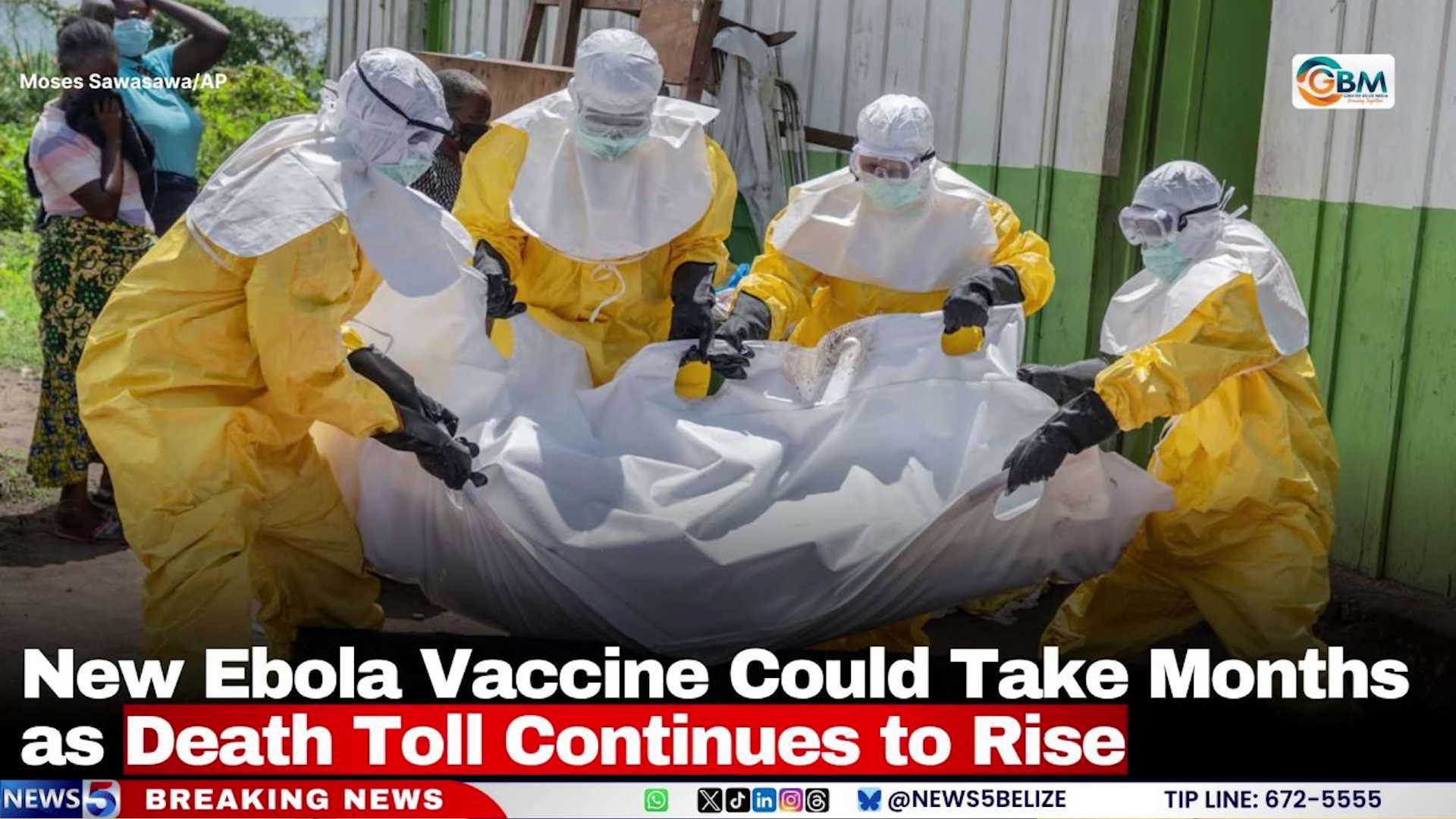
On the public health front, WHO Director-General Dr. Tedros Adhanom Ghebreyesus opened proceedings with a landmark announcement: he had already declared the ongoing Ebola epidemic spreading across the Republic of Congo and Uganda a Public Health Emergency of International Concern (PHEIC), the highest global alert level for infectious disease outbreaks. This move marks a break from precedent, as it marks the first time a WHO Director-General has issued a PHEIC before convening the organization’s independent emergency committee to review the outbreak.
Dr. Tedros emphasized that the decision was not made lightly, noting it aligns with Article 12 of the International Health Regulations. He consulted with top health officials from both affected nations prior to issuing the alert, and acted out of deep concern over the rapid spread and growing scale of the outbreak. The WHO’s emergency committee was convened on the first day of the assembly to deliver further guidance on coordinated global response measures.
Reflecting on the growing risk of cross-border infectious disease spread, Dr. Tedros pointed to the twin outbreaks of Ebola and hantavirus reported in the fortnight leading up to the assembly as clear evidence that transnational health threats demand coordinated international action. These events, he argued, underscore the critical importance of the International Health Regulations framework and the central role of the World Health Organization in leading global health security.
Despite the urgent challenges facing global health, Dr. Tedros highlighted that the WHO has delivered meaningful progress across a range of priorities over the past term. The organization’s newly released results report features an interactive, comprehensive overview of these achievements, including granular scorecards and on-the-ground country case studies that demonstrate the impact of WHO programming around the world. Dr. Tedros encouraged delegates to engage deeply with the report to assess the organization’s work.
Beyond outbreak response, the WHA’s three-day summit will wrap up on May 23, with delegates also set to deliberate on core priorities including strengthening national health systems, expanding access to universal health coverage, addressing the public health impacts of climate change, and improving global preparedness for future pandemics.