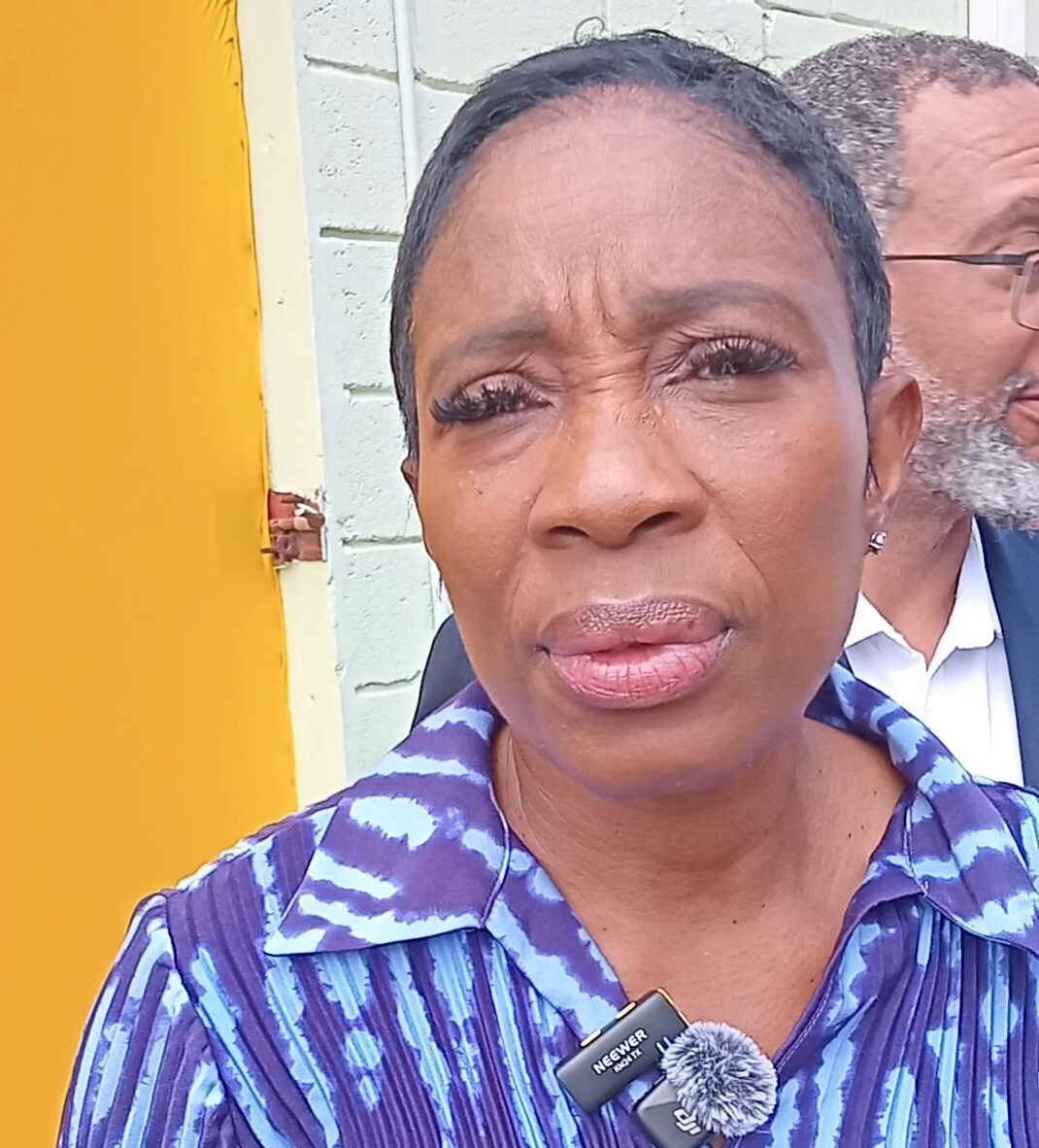
Barbados’ Ministry of Agriculture is advancing a second comprehensive restructuring of the country’s sugar cane sector in two years, with core goals centered on boosting crop yields, enhancing product quality, and securing the industry’s long-term economic viability, Agriculture Minister Dr. Shantal Munro-Knight confirmed in a public announcement Thursday.
The planned strategic “right-sizing” initiative comes amid an unanticipated extension of the current harvesting season, triggered by repeated shutdowns at the Portvale sugar processing facility. While Dr. Munro-Knight noted it remains too premature to definitively state whether the sector will meet its original annual production targets, she emphasized that the government is leveraging this unplanned transition window to lay the groundwork for the industry’s future transformation.
“I want to reiterate that we have spent considerable time strategically mapping out how to right-size sugar cane production in Barbados,” the minister stated, noting that the careful planning process has been underway for months.
Following the conclusion of the extended harvest period, the government will convene a major cross-stakeholder forum to launch formal consultations for the restructuring. All discussions at the forum will be rooted in empirical data collected through a series of recent industry-wide assessments, designed to identify key pain points and growth opportunities across the supply chain.
“Multiple independent and internal studies have been completed to map out current challenges across the sector,” Dr. Munro-Knight explained. “Once this harvest season wraps up, we will bring all relevant parties to the table to hold a deliberate, strategic conversation about the path forward for our sugar cane industry.”
The core priorities of the upcoming stakeholder consultations will be tackling long-standing production inefficiencies and raising national agricultural standards across the sector. “At the top of our agenda is improving yields, and equally critical, raising the overall quality of our sugar cane crop,” the minister emphasized. “These two factors will define whether our industry can compete successfully in global markets over the long term.”
Early collaborative action on the restructuring is already underway, Dr. Munro-Knight confirmed. The Barbados Sugar Industry Ltd (BSIL), the leading body representing the country’s traditional sugar cane planters, has already proactively reached out to the ministry to initiate preliminary talks, marking a coordinated joint effort between the public government and private industry stakeholders to modernize the aging sector. “BSIL has contacted me directly to request a meeting to kick off discussions, and we will be scheduling that in the very near term,” the minister said.
The current harvest disruptions stem from earlier industrial action at the Portvale factory, which first halted grinding operations in mid-March for three full days. Multiple workers represented by the Unity Workers Union (UWU) walked off the job to protest unresolved issues around union recognition and substandard working conditions. While operations resumed after a tentative agreement was reached, intermittent halts have continued in subsequent weeks, driven by a combination of unresolved mechanical failures and lingering labour tensions between union representatives and factory management.
Local BSIL farmers who supply sugar cane to the Portvale facility have already raised urgent concerns about the cascading effects of repeated shutdowns. Growers have reported significant delays in cane acceptance at the mill, which has disrupted their own harvesting and logistics schedules as the stalemate between the union and factory leadership drags on.
This upcoming restructuring marks the second major industry shakeup in as many years, and comes just months after a major management transition that reshaped the sector’s operational structure. Since January 15, 2024, all core operations including cultivation, milling, and sales have been managed by two independent cooperatives — Agricultural Business Company Ltd (ABC) and BESCO — following a full transfer of responsibility from the previously state-owned Barbados Agricultural Management Company (BAMC).