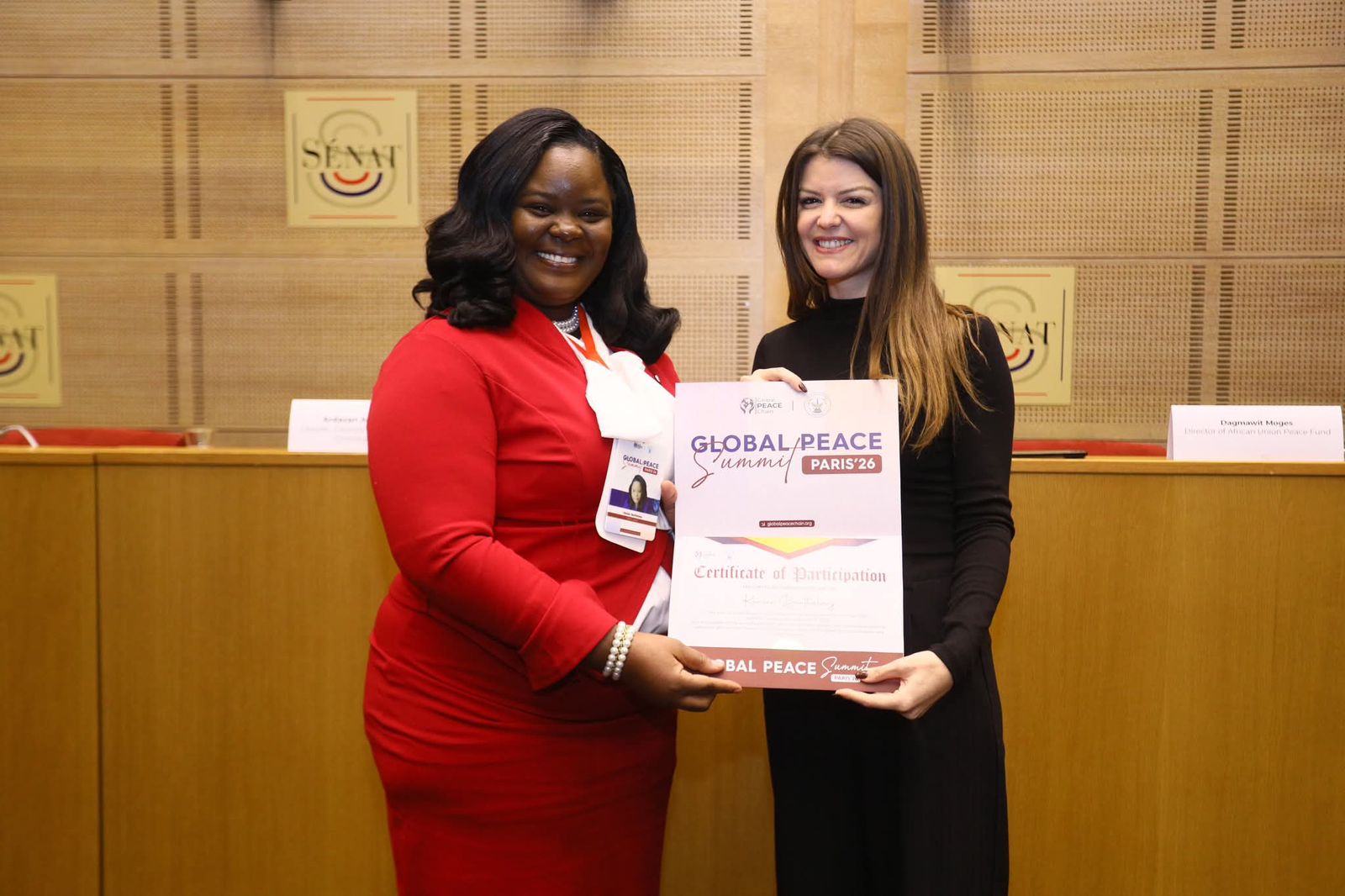
Following a life-changing participation in the Paris Global Peace Summit, Saint Lucian peace advocate Kenier Barthelmy-Williams is championing a new, youth-first proactive strategy for peacebuilding in her home country, reshaping local approaches to conflict prevention and community empowerment.
Barthelmy-Williams, who serves as a peace ambassador, says the international summit fundamentally shifted her understanding of what peacebuilding truly entails. Moving beyond the traditional reactive model that only intervenes after violence breaks out, she emphasizes that sustainable peace requires intentional, upstream work that addresses vulnerabilities before they escalate into conflict. “Peacebuilding is not only about bringing an end to violence or responding to conflict after it happens, but it is also about creating opportunities and environments that prevent young people from becoming vulnerable,” she explained.
A key takeaway from the summit was the deep interconnectedness between global sustainable development and long-term peace. She says she left the gathering inspired by how nations around the world integrate United Nations Sustainable Development Goals into local peacebuilding work to cultivate more stable, inclusive communities.
Guided by these new insights, Barthelmy-Williams has set a core goal to build formal, sustained support structures for young Saint Lucians. At the heart of her vision is the creation of intentional safe spaces that foster open dialogue, connect young people with trusted mentors, build critical leadership capacities, and encourage participation in positive, community-focused activities. This vision ultimately led her to found the Pathways to Peace Network, an initiative born from her years of on-the-ground work with Saint Lucian youth and her growing recognition of the unmet demand for accessible emotional and psychological support for the island’s young population.
“Peace is the foundation of a successful life,” Barthelmy-Williams said. “We cannot truly empower young people if they do not first have peace within themselves.”
The Pathways to Peace Network is designed to fill this gap by establishing community-centered safe spaces where young people can process trauma, feel their experiences validated, build self-confidence, and develop the leadership skills that will drive positive change for both their own lives and their neighborhoods. Meaningful, inclusive dialogue stands as a cornerstone of the network’s mission, something Barthelmy-Williams calls irreplaceable for rebuilding frayed trust in communities strained by division and conflict.
She stresses that constructive dialogue extends far beyond rigid, formal public meetings. It requires active listening, empathetic understanding, and non-judgmental respect for all perspectives, whether that conversation happens in a structured group setting or in an informal one-on-one interaction that makes young people feel safe enough to share their authentic experiences.
“Dialogue requires consistency, empathy, and genuine care,” she noted. “When young people feel understood, valued, and respected, they become more willing to share openly and reconnect with others.”
Dialogue alone is not enough, Barthelmy-Williams adds: these conversations must translate into tangible action, clear accountability, and sustained support for young people. Even so, she believes large-scale community trust building starts small, with one honest, respectful interaction at a time.
Turning to the most pressing challenges facing Saint Lucia’s youth today, Barthelmy-Williams identifies endemic crime and violence, harmful peer pressure, widespread unaddressed mental health struggles, and substance abuse as the most critical barriers to youth well-being and community peace. To effectively tackle these issues, she argues, interventions must target root causes rather than just reacting to visible symptoms.
“To effectively address these issues, we must first get to the root of the problem,” she said.
Through the Pathways to Peace Network, Barthelmy-Williams has rolled out a suite of practical, targeted programs to directly tackle these challenges. Current initiatives include one-on-one mentorship matching, interactive leadership development workshops, community peacebuilding education sessions, neighborhood-wide outreach campaigns, and a school-based Peace Ambassadors Program that empowers young people to lead peacebuilding work within their own campuses.