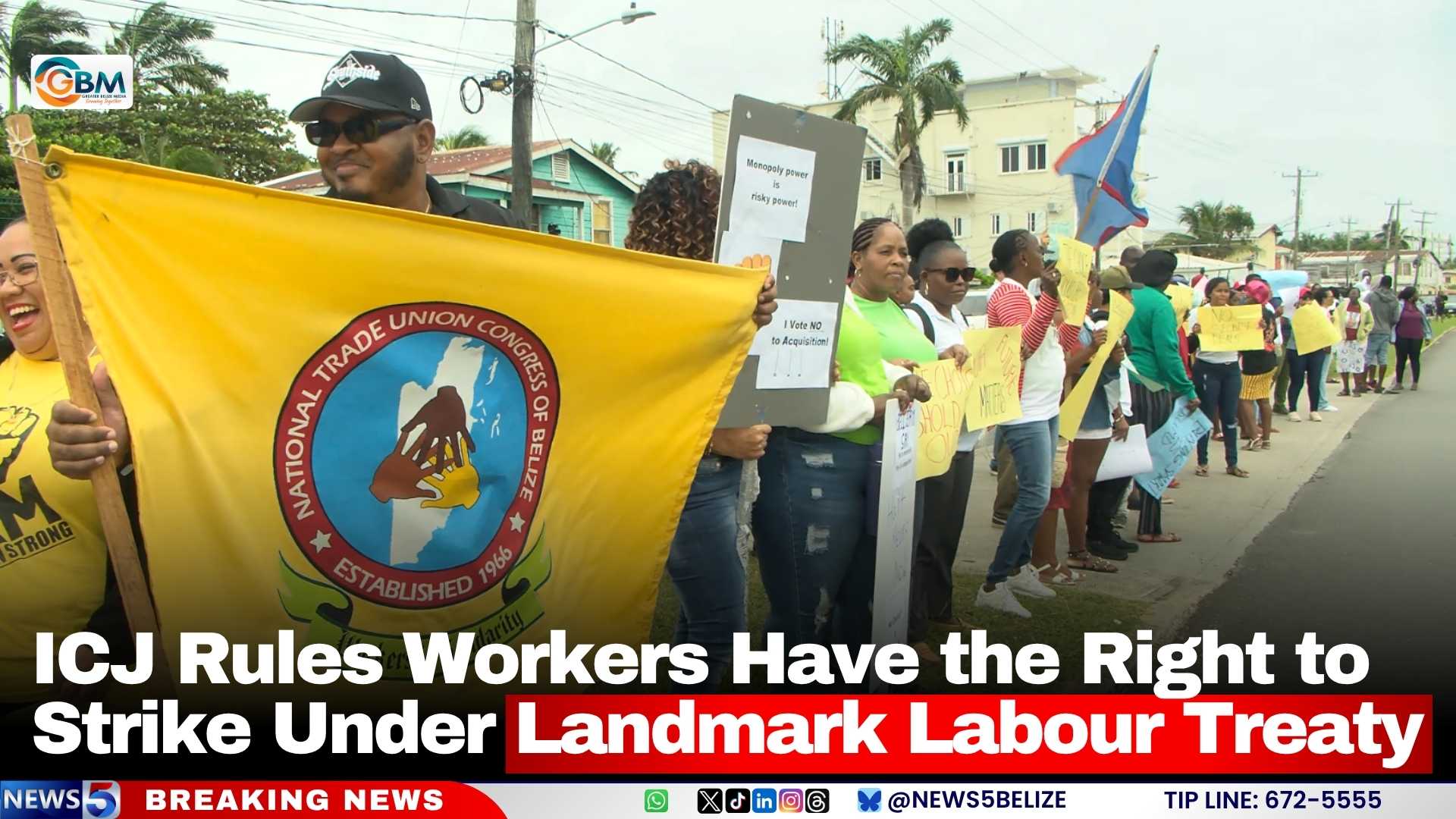
In a historic decision that closes a 14-year impasse in global labor governance, the International Court of Justice (ICJ) has formally confirmed that the right to strike is legally protected under the International Labour Organization’s (ILO) landmark 1948 Convention No. 87, the Freedom of Association and Protection of the Right to Organize. The ruling marks a watershed victory for labor movements across the globe, resolving a bitter dispute that has frozen progress on global labor standards since 2012.
Announcing the court’s finding on May 21, 2026, ICJ President Yuji Iwasawa stated the bench unanimously agreed that workers and their representative organizations hold a protected right to strike under the terms of the convention. Judges also clarified that the advisory opinion, while not legally enforceable, does not set out additional operational rules governing strike action, limiting its scope to the core interpretive question. The ILO Governing Body will next review the ruling and plan follow-up actions during its 358th scheduled session this coming November.
The legal dispute originated more than a decade ago, when employer representatives to the ILO rejected the long-held understanding that the right to strike is an inherent corollary of the right to collective bargaining. From 2012 onward, these groups systematically blocked findings from the ILO’s independent supervisory bodies on the issue, creating a deadlock that persisted for 11 years. In 2023, the impasse reached a breaking point, and the ILO took the unprecedented step of referring the question of treaty interpretation to the ICJ for an advisory opinion. This referral marked only the second time in the ILO’s century-long history that the body had sought advisory input from the ICJ, and the first time the court—founded in 1945 alongside the United Nations—has addressed a question of international labor convention interpretation.
The high stakes of the case cannot be overstated: Convention No. 87 counts 158 member states as formal parties, making it one of the most widely ratified core labor standards in the world. It is classified as one of the ILO’s 11 fundamental instruments, meaning all ILO member states are required to uphold and promote its core principles regardless of whether they have completed formal ratification.
Harold Koh, who represented the International Trade Union Confederation (ITUC) during public hearings held in October 2025, emphasized that the ruling extended far beyond abstract legal debate. Speaking to the court during proceedings, Koh noted the outcome would shape the daily working rights of tens of millions of workers across every region of the world. He warned that a ruling against the right to strike would have created a roadmap for employer groups and friendly governments to roll back labor protections country by country, targeting nations with weaker judicial independence, underdeveloped civil society, and restricted press freedom.
While the ICJ’s opinion carries no binding legal weight, labor analysts widely agree it holds substantial persuasive authority both within the ILO governance framework and across national legal systems. Experts predict the ruling will drive progressive reforms to domestic labor laws and industrial relations frameworks in dozens of jurisdictions in the coming years, strengthening collective bargaining power for workers globally.