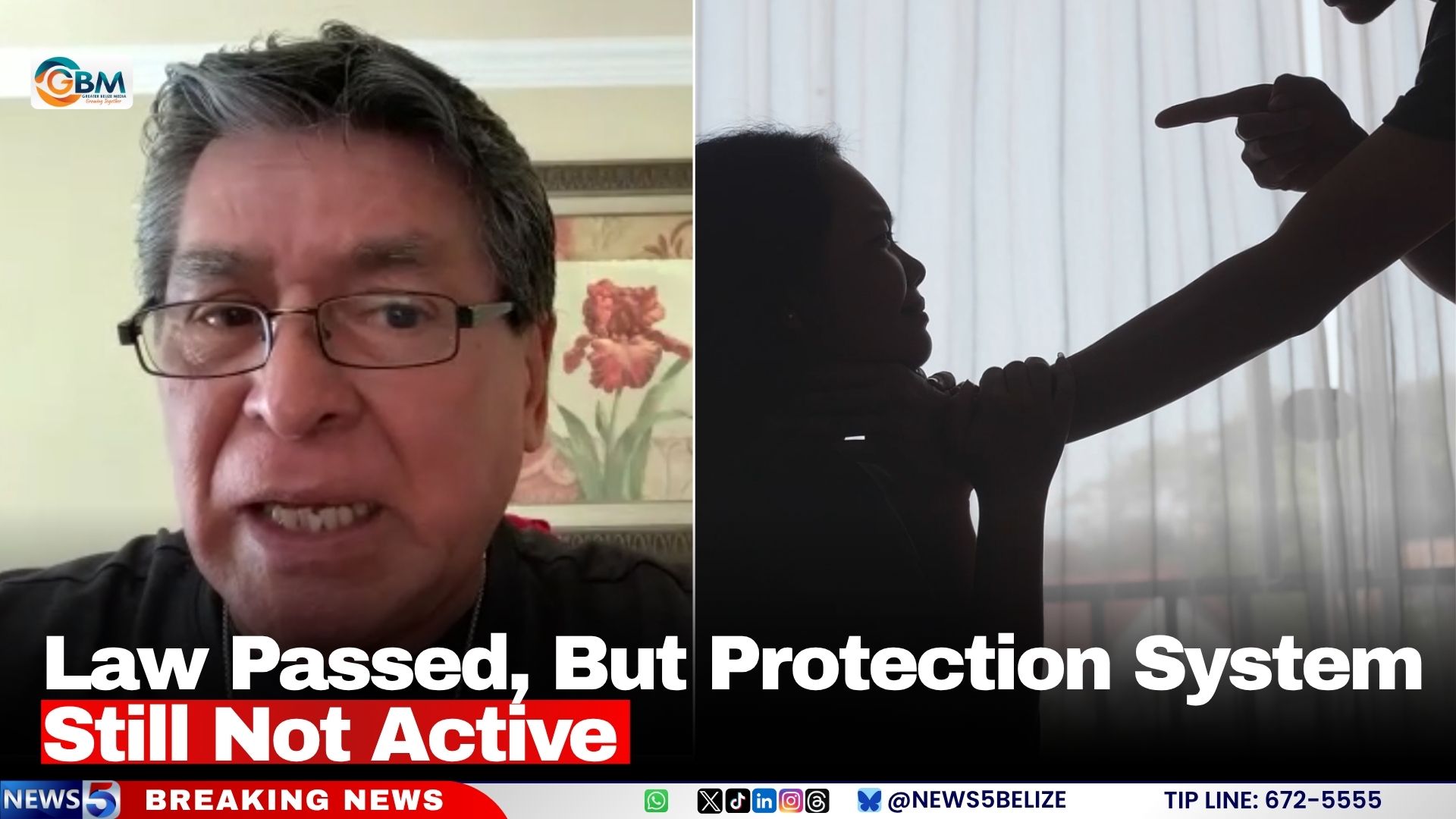
In November 2025, Belize’s Parliament passed a landmark piece of legislation aimed at closing critical gaps in access to emergency protection for domestic violence survivors. The reform promised faster, more accessible intervention by allowing specially trained Senior Justices of the Peace (JPs) to issue urgent short-term protection orders during periods when formal courts are closed — including weekends and public holidays, when incidents of domestic violence often spike and survivors have historically been left without immediate legal recourse. But half a year after the bill was signed into law, the entire system has yet to be activated, leaving vulnerable people waiting for the protections they were promised.
The rollout of the new framework has stalled at the first critical step: the mandatory specialized training for qualified senior JPs has not yet begun, according to leaders of Belize’s official JP association. NGO Senator Janelle Chanona has publicly raised alarm over the delay, warning that the urgent gaps in the domestic violence justice system the law was meant to fix remain unaddressed six months on.
Adrian “Danny” Madrid, president of the Association of Justices of the Peace and Commissioners of the High Court, outlined the multiple barriers holding up implementation in an interview. He explained that this initiative is unprecedented in Belize, requiring careful navigation of new regulatory and operational structures that do not fit the country’s existing justice system model.
Currently, Belize has more than 3,000 active JPs across the country, but only a small fraction meet the strict eligibility requirements to serve as senior JPs with the new authority to issue protection orders. Under the law, JPs must complete a minimum of 10 years of service to be considered for senior status, in addition to holding an unblemished police record. Even eligible candidates must complete intensive specialized training before they can begin handling domestic violence cases, a step that has yet to get off the ground.
Madrid noted that the strict eligibility and training rules are intentional: senior JPs will be stepping into high-stakes, often dangerous situations when courts are unavailable, effectively taking on the role of sitting magistrates for emergency protection orders. Beyond regulatory barriers, however, the program faces a more immediate challenge: widespread hesitation among qualified senior JPs to take on the new role, driven by fears for personal safety.
“One of the first things that some of them will tell you is, ‘I’m afraid because suppose I am with this person who is reporting a domestic violence act, and then the person who did the violence comes to me and then beat me and the person up,’” Madrid shared.
To mitigate these safety concerns, program planners have structured all interactions under the new system to take place at official police stations, where survivors and JPs will have immediate access to law enforcement protection. Moving forward, the intensive required training is expected to be led jointly by Belize’s Ministry of Domestic Violence and the Attorney General’s Ministry once logistics are finalized, though no firm timeline for the start of training or full activation of the system has been announced.