Across Saint Lucia, rising rates of employee burnout, increased sick leave usage, and the growing burden of non-communicable diseases (NCDs) are pushing the island’s human resource industry to call for urgent action from local employers to elevate workforce wellbeing as a core business priority.
The official appeal from The Association of Human Resource Management Professionals (Saint Lucia) Ltd. (AHRMP) arrives as the National Insurance Corporation (NIC) has documented a steady uptick in sickness benefit claims. Projections from the NIC warn that if current public health trends remain unchanged, this number will continue to climb in coming months and years.
In a public statement issued Wednesday, AHRMP framed the crisis as far more than a standalone public health issue. It has evolved into a systemic workforce challenge and economic headwind that threatens both individual business success and the broader national development of Saint Lucia.
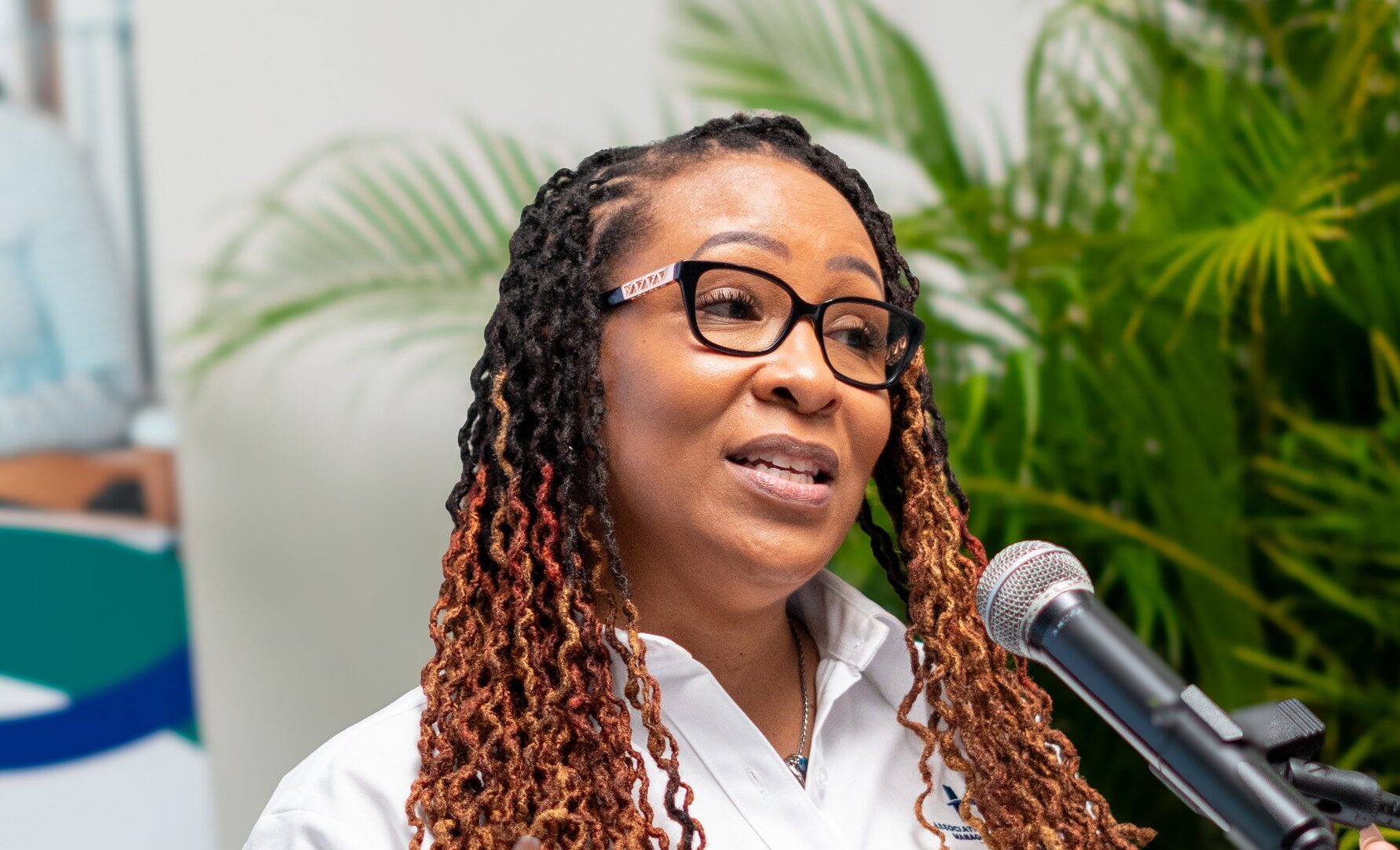
“A healthy workforce is no longer simply a wellness issue – it is a business imperative,” stated AHRMP President Goretti Paul in the address.
Paul explained that poor employee health directly manifests in costly operational outcomes: higher rates of unplanned absenteeism, persistent on-the-job fatigue, lower team engagement, reduced output per worker, and increased strain on daily organizational operations. Businesses that choose not to invest in building healthier work environments, she warned, put their long-term performance, operational resilience, and overall sustainability at serious risk.
The association also emphasized that modern workplace health challenges extend far beyond physical illness. Mental and emotional wellbeing have emerged as equally critical factors that can shape employee performance and overall workplace effectiveness, with unaddressed mental health issues creating hidden costs for businesses of all sizes.
To contextualize the global scale of the issue, AHRMP cited recent data from the World Health Organisation (WHO), which estimates that 12 billion working days are lost to depression and anxiety across the globe every year. That lost workforce capacity translates to roughly $1 trillion USD in global productivity losses annually.
In Saint Lucia, the same patterns hold: chronic stress, occupational burnout, long-term physical illness, and untreated mental health challenges are all dragging down workforce engagement and weakening organizational bottom lines.
To reverse these trends, AHRMP is encouraging local employers to expand existing workplace wellness programs and scale up preventative health initiatives. It specifically called for increased focus on mental health awareness, the creation of healthier physical and cultural work environments, proactive workload management, and intentional support for employee work-life balance.
“Employees are navigating increasingly demanding realities both inside and outside of the workplace,” Paul noted, adding that modern work and life pressures have created new expectations for employer support that many organizations have yet to meet.
“Organisations must therefore become more intentional about how work is structured, how people are managed, and how supportive workplace practices are integrated into daily operations. Investing in workforce wellbeing strengthens performance, retention, resilience, and overall business sustainability,” Paul explained.
The association also expressed support for the growing national focus on occupational safety, health, and wellness across Saint Lucia. It called for sustained cross-sector collaboration between employers, labor groups, government agencies, and other key stakeholders to drive systemic improvements to workforce health across the island.
At its core, AHRMP’s message urges all local organizations to reposition employee wellbeing as a strategic business priority, one that is directly tied to organizational productivity, business resilience, and long-term inclusive economic growth for the entire nation.