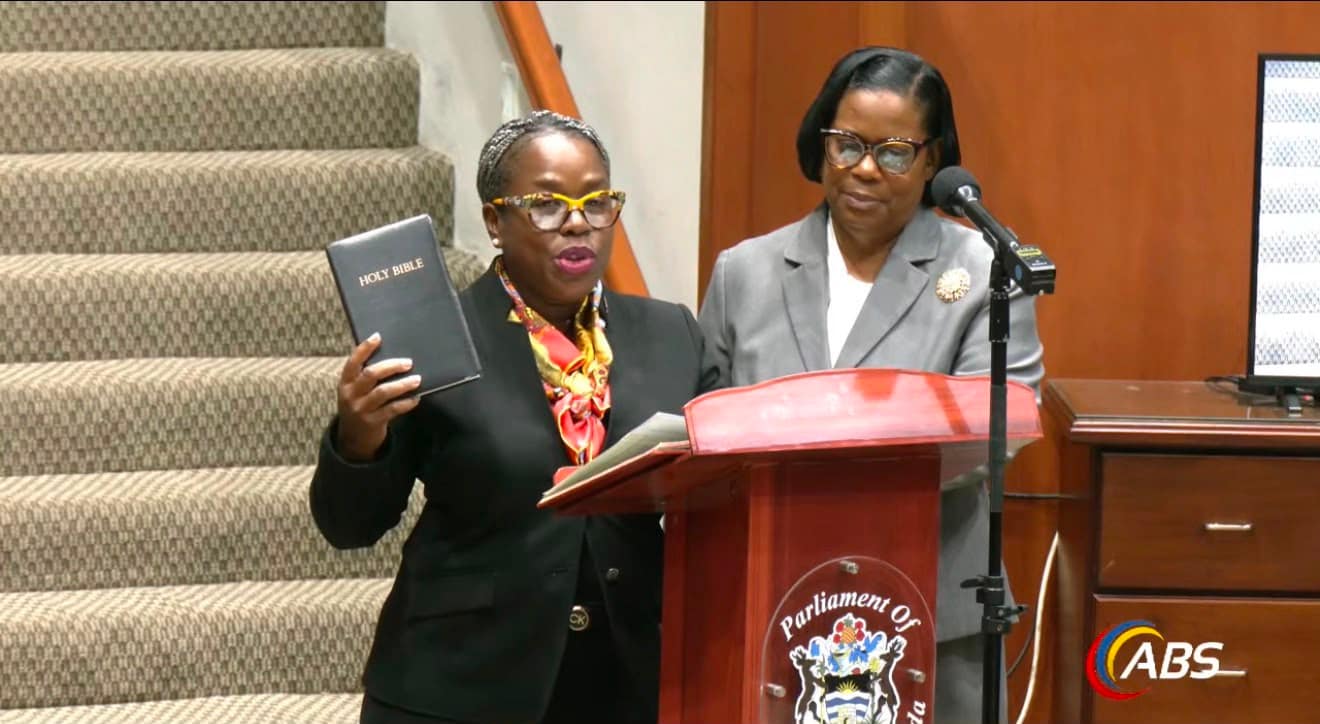
A new leadership era has begun in the national Senate, following the formal election of Alincia Williams-Grant to the chamber’s highest leadership post and Shoul to the position of deputy leader. The voting process, held during the opening plenary session of the new legislative term, saw Williams-Grant earn broad cross-chamber support to take on the constitutionally mandated role of presiding officer, responsible for managing parliamentary proceedings, upholding procedural rules, and representing the Senate in official diplomatic and domestic engagements.
Political observers note that Williams-Grant brings years of legislative experience and a track record of cross-partisan collaboration to the role, having previously served on multiple key Senate committees focused on judicial reform and national infrastructure. Her election marks a significant milestone for legislative leadership in the nation, as she steps into the role at a time when the body is set to take up high-stakes policy debates ranging from economic recovery measures to climate change regulation.
Shoul, who was elected alongside Williams-Grant as vice president, will step in to preside over sessions in the president’s absence and support the implementation of new procedural reforms aimed at streamlining the legislative process and improving transparency for constituents. Following the official vote tally, Williams-Grant delivered her inaugural address to the chamber, outlining a policy agenda focused on strengthening democratic norms, advancing bipartisan cooperation, and prioritizing the needs of working-class communities across the country. She emphasized that the Senate must work as a unified body to address the pressing challenges facing the nation, from rising living costs to systemic inequality in access to public services.
Cross-party leaders offered congratulatory remarks following the election, signaling a tentative willingness to collaborate on key legislative priorities over the coming term. Many political analysts expect the new leadership team to bring a more collaborative tone to Senate proceedings, after a previous term marked by increased partisan gridlock on major policy initiatives.