A sweeping new policy change from global travel giant Booking.com has ignited fierce pushback across the Caribbean tourism industry, with regional hoteliers and industry bodies threatening legislative action and vowing to block the controversial change in the bloc. The policy, rolled out without prior consultation with Caribbean stakeholders, would for the first time require accommodation providers to pay commissions to Booking.com not just on base room rates, service charges and resort fees—the traditional model for commission calculations—but also on Value Added Tax (VAT), goods and services tax (GST), and other mandatory government-imposed taxes that hoteliers never retain as revenue.
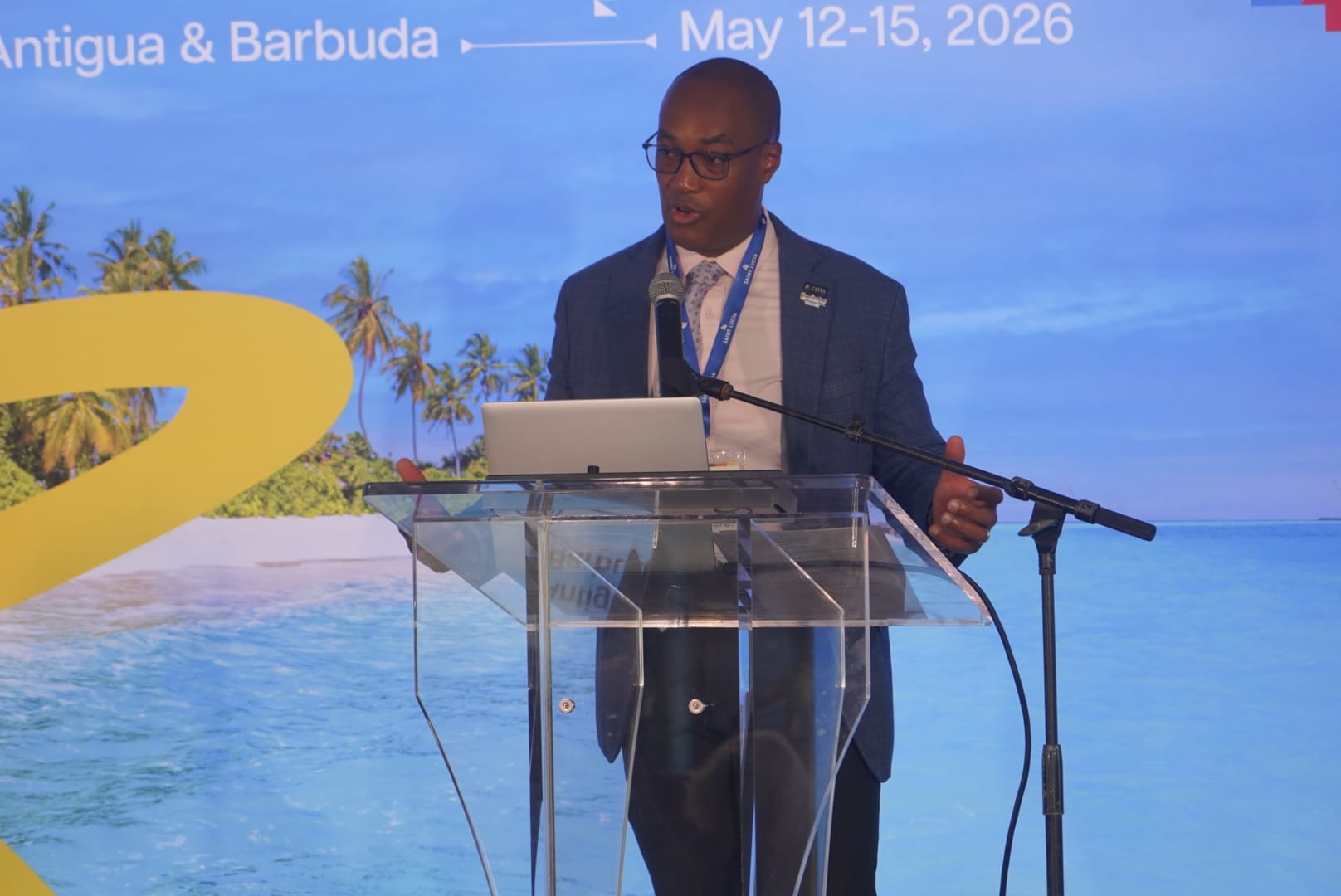
The policy was scheduled to launch across the region on May 15, 2026, after the company privately notified individual hotel associations in Barbados and Grenada of the change. Those local groups quickly raised the alarm with the Caribbean Hotel and Tourism Association (CHTA), bringing the issue to the forefront of discussions at the organization’s 44th annual general meeting, hosted this year in St. John’s, Antigua and Barbuda.
Outgoing CHTA President Sanovnik Destang explained in interviews on the sidelines of the conference that the existing industry standard has long tied commission calculations only to actual revenue that hoteliers collect from guest stays. “They’re changing this now to also include VAT, GST, and other government taxes, which, as you know, is not revenue to the hotel,” Destang clarified.
During the conference, CHTA representatives held direct, high-stakes talks with Booking.com officials to register firm opposition to the change. Booking.com has defended the policy as part of a global rollout that is already implemented in multiple markets around the world, but regional stakeholders argue that one-size-fits-all global business practices do not automatically translate to the Caribbean’s unique tourism regulatory landscape.
CHTA officials note that while the practice may be allowed in some jurisdictions, it violates existing commercial laws in multiple Caribbean territories, though the organization has not yet named specific countries. The trade body is already coordinating directly with national tourism ministers and finance ministers across the region to draft and pass new legislation that would explicitly ban the practice, if it is not already prohibited under existing local laws.
Destang emphasized that the policy is not just legally questionable—it is fundamentally unfair from a commercial perspective. “It’s not fair to expect hotels to pay commissions of 15 percent, whatever percent — or 18 percent in some cases — on VAT, GST, and other taxes that hotels do not retain in the first place. So we’ve drawn a line in the sand at CHTA,” he said. He also criticized Booking.com for implementing the change unilaterally, with no advance warning, input, or consultation with the regional industry bodies that represent thousands of small and large accommodation providers across the Caribbean.
The CHTA has pledged an unwavering campaign to block the policy, stating that it will not be accepted under any circumstances across the Caribbean. The standoff marks one of the biggest conflicts between global online travel agencies and regional tourism operators in recent Caribbean history, with potential implications for industry revenues and regulatory policy across the bloc.”