BRASILIA, Brazil — A new 2025 climate assessment from the World Meteorological Organization (WMO) has laid bare the sweeping damage that cascading extreme weather events have inflicted on communities and economic systems across Latin America and the Caribbean (LAC), while highlighting growing capacity to mitigate harm through targeted preparedness. In its annual flagship *State of the Climate in Latin America and the Caribbean 2025* report, the intergovernmental climate body documents a range of accelerating climate trends that are amplifying both immediate and long-term risk for the region.
Among the most critical threats identified is the rapid melt of Andean glaciers, often described as the region’s natural water towers that support roughly 90 million people with freshwater for residential use, hydroelectric energy generation, agriculture, and industrial activity. The report confirms accelerating ice loss across both the high southern Andes and low-latitude tropical glaciers in Colombia and Ecuador, which has already triggered a sharp rise in short-term flood hazards and created growing long-term risks to regional water security.
Coastal communities also face escalating risks, the WMO found: along Atlantic-facing shorelines of the tropical Atlantic and Caribbean, sea levels are rising faster than the global average. Compounding these coastal threats, widespread marine heatwaves struck the Gulf of Mexico, Caribbean Sea, and waters off Chile in 2025, with ongoing ocean acidification and warming combining to push marine ecosystems and commercial fisheries toward greater instability.
WMO Secretary-General Celeste Saulo emphasized that the evidence of human-caused climate change across the region is undeniable. “From accelerating glacier loss and rising sea levels to rapidly intensifying tropical cyclones, extreme heat, floods and drought, the signs of a changing climate are unmistakable across Latin America and the Caribbean,” Saulo stated. Yet she also noted that advances in climate forecasting and preparedness are delivering tangible results, even as overall risks grow: “This report shows that while risks are growing, so too is our capacity to anticipate and act to save lives and protect livelihoods.”
That capacity was put to the test in October 2025 with Hurricane Melissa, the first Category 5 hurricane ever recorded to make landfall in Jamaica. The storm left 45 people dead and caused an estimated $8.8 billion in damages — a sum equal to more than 41% of Jamaica’s total annual gross domestic product. Even though the storm was an unprecedented event with no historical analog to guide planning, WMO officials noted that Jamaican authorities leveraged cutting-edge risk modeling to implement early financial preparations and disaster response planning, actions that kept the death toll far lower than it could have been and helped the island begin recovery more quickly.
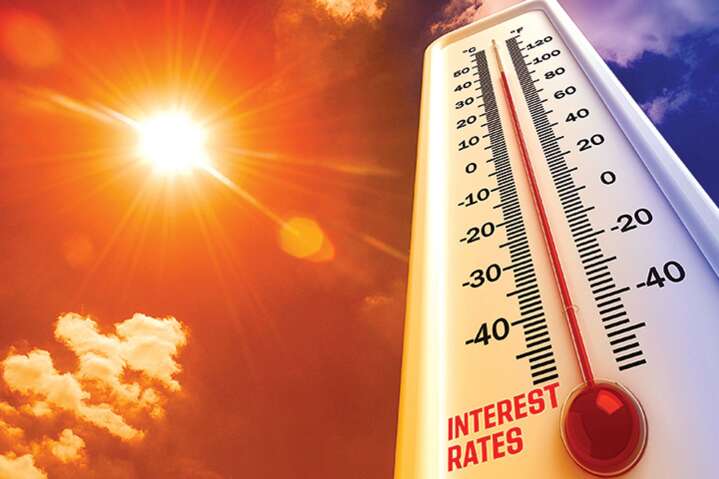
Extreme heat emerged as another top public health priority in the 2025 report. Intense, recurring heatwaves that pushed temperatures well above 40°C impacted large swathes of North, Central, and South America last year. The WMO stressed that there is an urgent need to integrate climate data into public health planning and emergency response systems, and to link meteorological early warning systems directly to public health action triggers. Currently, many LAC nations do not regularly publish disaggregated data on heat-specific mortality; between 2012 and 2021, the average annual estimated heat-attributable death toll across 17 sampled countries was roughly 13,000, a figure researchers say is almost certainly a major undercount due to inconsistent reporting. The WMO is calling for expanded and standardized mortality tracking across the region to better capture the full public health burden of extreme heat.
The report also examines the cascading risks climate extremes pose to regional agro-food systems, noting that concurrent shocks to agricultural production, rural livelihoods, food access, and market function create overlapping food security vulnerabilities for millions of people.
Long-term trend analysis included in the report confirms the region is warming faster than the 20th century average across all 30-year assessment periods. The 1991–2025 window shows the most pronounced warming trend on record stretching back to 1900: South America recorded a warming rate of 0.26°C per decade, while Central America and the Caribbean saw 0.25°C per decade. Mexico recorded the fastest regional warming rate at 0.34°C per decade for the 1991–2025 period. 2025 ranked as the fifth to eighth warmest year ever recorded for the region.
Over the past 50 years, rainfall patterns across LAC have also grown increasingly volatile, with wider swings between severe drought and extreme flooding, longer dry periods, and more intense precipitation events. Central America and northern South America have seen a rise in heavy downpours, while Central Chile, northeast Brazil, and parts of Central America and the Caribbean have grown progressively drier. The Amazon basin shows a mixed trend, with longer dry seasons, more intense wet-season flooding, and more frequent droughts concentrated in the southern and eastern parts of the rainforest.
Saulo framed the report as both a scientific assessment and a urgent call to collective action. “These findings are deeply concerning. But they also show why our work matters. Climate information is not only about data. It is about people,” she said. “It is about protecting communities from floods, droughts, hurricanes, heatwaves and other hazards. It is about farmers planning their crops, health authorities preparing for heat-related risks and coastal communities planning for rising seas.” She added that the report calls on global and regional actors to strengthen climate observation networks, invest in accessible climate services, close gaps in early warning coverage, and ensure critical climate information reaches the vulnerable communities that need it most.