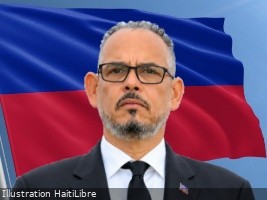
On May 18, 2026, Haiti gathered at Port-au-Prince’s National Palace for a solemn dual celebration of the 223rd anniversary of the Haitian national flag and the country’s annual University Day. Held under the rallying theme “With the grenadiers, let’s raise our flag higher” — a nod to Haiti’s historic qualification for the 2026 FIFA World Cup — the event brought together senior government officials, military and police leadership, diplomatic representatives, education sector leaders, and student groups from across the Port-au-Prince metropolitan area to honor one of the nation’s most defining symbols of sovereignty.
The event opened with a formal flag-raising ceremony on the National Palace lawn, where attendees paid tribute to the flag’s origins tied to Haiti’s revolutionary fight for independence. This anniversary honors the enduring legacy of Jean-Jacques Dessalines, Haiti’s founding father, whose unwavering vision and resolve led to the creation of the world’s first independent Black republic in 1804. It also recognizes the iconic contribution of Catherine Flon, the revolutionary icon who sewed together the flag’s iconic blue and red stripes in 1803 as an emblem of national unity, binding all Haitians to a shared mission of freedom and collective progress.
In his keynote address to attendees, Prime Minister Alix Didier Fils-Aimé framed May 18, 1803 — the date the flag was first unveiled — as a “sublime act in universal history.” He stressed that the legacy of the Haitian Revolution demands national solidarity today, noting “it was courage, vision, and unity that enabled our ancestors to achieve victory.” The prime minister also reaffirmed the government’s core priorities: lifting living standards for all Haitians, cracking down on violent armed gangs, and building a stable, secure environment that allows for long-delayed general elections to be held across the country.
The dual celebration also centered the critical role of higher education in Haiti’s ongoing national reconstruction. Dieuseul Prédélus, rector of the State University of Haiti (UEH), emphasized that the country’s premier public university carries a core responsibility to train a new generation of innovative leaders capable of building a prosperous, stable future for the nation. Closing out the official remarks, Minister of National Education Vijonet Deméro added that the Haitian flag has always stood as a beacon of unity in the face of chaos and oppression, and remains a powerful symbol of collective security and national renewal today.
Following the addresses, Haiti’s national security forces, led by the Armed Forces of Haiti (FAd’H), held a disciplined military parade across the National Palace grounds. The well-orchestrated demonstration of strength was framed as a public reaffirmation of the military’s commitment to core republican values, and a visible reminder of the continuity and authority of the Haitian state. Through the parade, security forces reaffirmed their unwavering pledge to defend Haiti’s territorial integrity, protect civilian communities, and preserve the hard-won gains of the nation’s independence. The gathering served as a moment of collective national cohesion, reinforcing the flag’s status as the supreme symbol of Haitian sovereignty, discipline, and shared purpose.
The ceremony concluded with a vibrant cultural performance of traditional song and dance, drawing inspiration from the founding oath of Haiti’s revolutionary leaders at Arcahaie. Every note and movement wove together the narrative of the pain of colonial enslavement and the explosive triumph of freedom that gave birth to the Haitian nation. Staged alongside the University Day celebrations, the event highlighted the sacred union of academic progress and the unbroken fighting spirit of Haiti’s ancestors. Draped in the national blue and red, performers rekindled the enduring legacy of the revolution for a new generation. After the performance, which shook the National Palace grounds with the rhythmic beat of traditional drums, Prime Minister Fils-Aimé praised the display, noting that for Haiti, the flag is more than a symbol — it is a living, breathing reminder of the nation’s unyielding spirit of freedom.