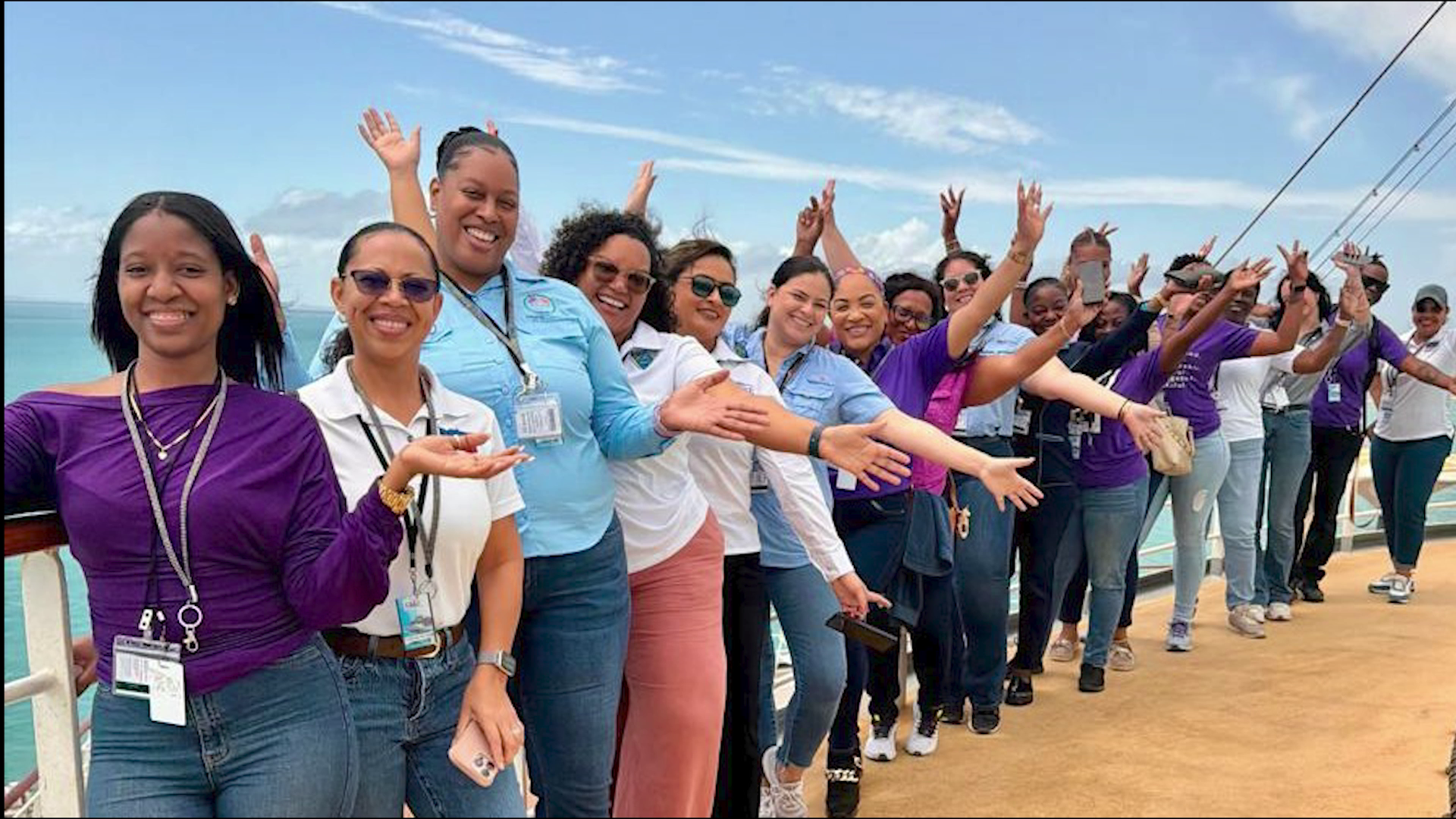
Dated May 18, 2026, a growing movement led by women in Belize is reshaping the historically male-dominated maritime industry, working to carve out permanent, influential space for female professionals at all levels of the field.
At the center of this shift is 28-year-old Jaeda Sutherland, who leads the Belize Chapter of the Women in Maritime Association of the Caribbean (WiMAC). Sutherland’s unexpected career path—beginning with a literature degree from St. John’s College Junior College, far removed from maritime studies—stands as a testament to the untapped potential of women breaking into non-traditional roles in the sector. Today, she heads the Projects and Quality Unit at the Belize Port Authority while pursuing a master’s degree in Logistics and Supply Chain Management, and serves as a visible example of what women can achieve in maritime work.
During the recent Women in Maritime Conference, a clear passing of the torch highlighted the growing momentum of the movement: veteran trailblazer Captain Monique Lamb shared decades of hard-earned lessons from her career breaking barriers at sea, while Sutherland stepped forward to steer the next phase of advocacy. For Sutherland and her fellow organizers, the movement’s goals extend far beyond simply hiring more women. They are focused on retaining female talent, elevating women to leadership positions, and transforming the industry’s culture from the inside out.
Sutherland has firsthand experience with the ingrained bias women face in the field. “Men who have been in the industry for over thirty years have looked at me and asked, how is it that you are even my captain,” she shared, noting that common microaggressions include questions about whether women can handle core technical tasks like engine repairs or night navigation. But she approaches these challenges with unshakable confidence: “For me I really jumped into it with the mindset that us females, anything a man can do, we can do, sometimes even better.”
Industry leaders already recognize the tangible value that greater gender diversity brings to maritime operations. Belize Port Commissioner Kaylon Young notes that women bring unique, critical perspectives to management and daily operations. “Having more people involved, more women involved gives a different dynamicity to how we see things, a different point of view to how we see things. We might see things, males might see things different than how females see things, our way of management, our way of operations,” Young explained.
Global data underscores just how far the industry has to go to achieve equity: women make up only roughly 1% of seafarers worldwide. In the Caribbean, while 63% of women in maritime work hold shore-based roles in the private sector and 19% work for maritime authorities, just 1 to 2% hold seagoing positions operating vessels. Against this backdrop, WiMAC’s core mission is to build a supportive advocacy and networking network to address this stark underrepresentation.
For Sutherland, the central priority is securing women a place at decision-making tables. “The power of a woman’s voice is becoming heavier and heavier. Previously we had joined this sector and we were very quiet in terms of not being in the forefront of all of it. Now, we have been trying to push ourselves, trying to get into leadership, and trying to get at seat at the table especially. That is very important for me and something I always promote, try to get a seat at the table where the decisions are actually being made,” she said.
With less than four years of experience in the sector, Sutherland has already carved out that influential seat alongside her WiMAC executive team. At the conference, members positioned themselves as intentional changemakers, united in their goal to dismantle long-standing barriers and build a more inclusive maritime industry for future generations of women.