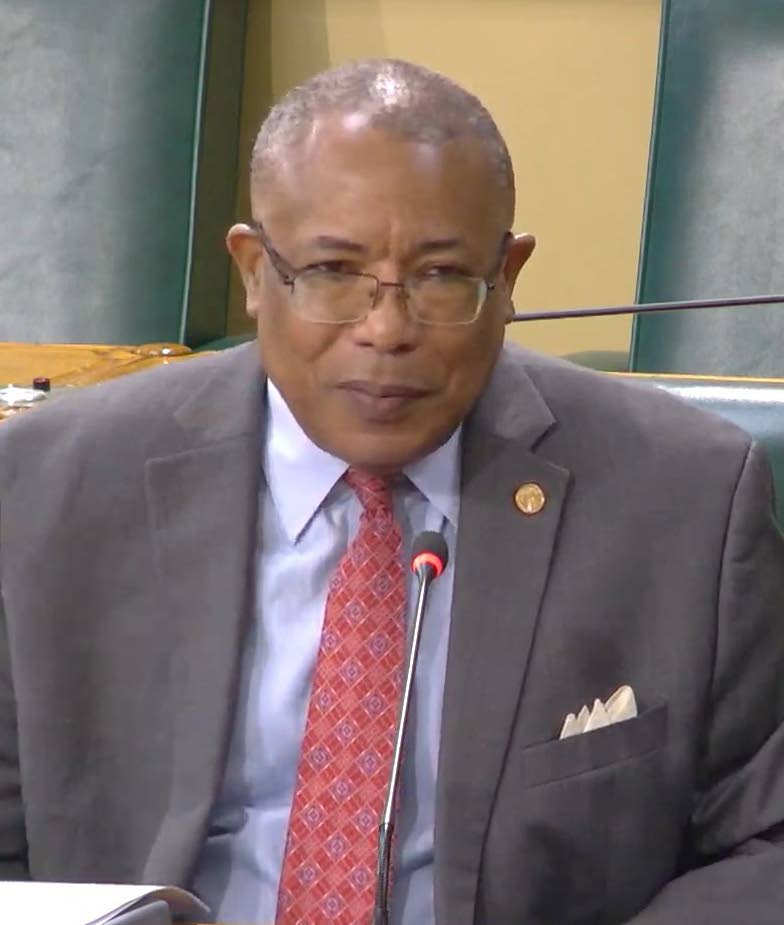
KINGSTON, JAMAICA – Jamaica’s main opposition figure for trade, industry and global logistics, Anthony Hylton, has issued an urgent demand for the national government to publicly disclose full details of uncollected hurricane relief goods currently held in storage at the country’s ports and cargo terminals. Hylton’s call for accountability comes on the heels of a damning report from the Auditor General’s Department, formally presented to Jamaica’s Parliament last Tuesday, that laid bare major gaps in disaster relief management following Hurricane Melissa.
The audit’s findings paint a striking picture of mismanagement: by February 23, 2026, the Office of Disaster Preparedness and Emergency Management (ODPEM) had received a total of JMD 1.44 billion in donations earmarked for survivors of Hurricane Melissa, but had only allocated and spent JMD 26.2 million – a mere 1.8 percent of the total funds committed to relief efforts. Further audit data revealed that as of the same cutoff date, ODPEM retained roughly JMD 569.6 million and USD 5.9 million in active hurricane donation accounts. Alarmingly, this balance includes unspent funds carried over from prior Hurricane Beryl relief operations: JMD 138.8 million and USD 101,974 that had gone unused even before fundraising for Hurricane Melissa launched.
Speaking at a press conference hosted by the People’s National Party (PNP) on Monday, Hylton warned that the botched handling of international donations risks long-term harm to Jamaica’s global standing. “When Hurricane Melissa hit, Jamaica rightfully appealed to the global community for urgent support, and we received that generosity. But instead of delivering that aid to the people who needed it, we have trapped those donations and put donors through a prolonged bureaucratic and financial nightmare,” Hylton explained. “This does lasting reputational damage that goes far beyond our borders, and it erodes the trust that future donors will have in Jamaica’s ability to manage international assistance effectively.”
Hylton emphasized that small local Jamaican businesses and diaspora-led humanitarian groups – which moved quickly to mobilize and ship critical supplies in the immediate aftermath of the storm – are among the hardest hit by the delays. Many of these organizations lack the deep financial reserves to cover months of unexpected storage fees at port facilities, and few have the legal expertise to resolve contractual disputes with freight and logistics operators over the held goods, he added.
Beyond the immediate call for transparency, Hylton laid out three key demands from the Opposition. First, the government must immediately publish a full public accounting of all donated goods that remain uncollected in storage or have been abandoned at Jamaican ports and cargo facilities, including a full accounting of any perishable goods that spoiled in storage and were ultimately disposed of in landfills. Second, Hylton called for the creation of a targeted relief program that will either waive accumulated storage fees charged to donors or fully reimburse those who have already paid the costs. Finally, the Opposition is demanding that the government draft and publish a formal, comprehensive disaster response protocol ahead of the start of the 2026 Atlantic hurricane season. This protocol must cover end-to-end processes for customs clearance, port handling, cold chain storage for perishable supplies and medical products, and coordinated partnerships with freight operators to prevent a repeat of the post-Melissa mismanagement, Hylton said.