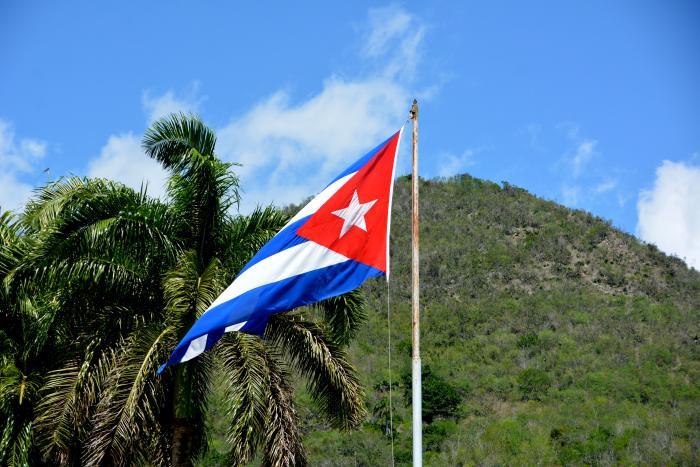
Cuba has officially launched its fifth nationwide exercise focused on the prevention and counteraction of transnational and domestic societal threats, including organized crime, systemic corruption, illicit drug trafficking, unauthorized activities, and widespread social indiscipline. The nationwide initiative comes with an explicit core mandate: to ramp up coordinated action against harmful behaviors that directly undermine the island nation’s most critical strategic priorities.
This year’s exercise unfolds against an extraordinarily complex geopolitical and economic backdrop, shaped by decades of escalating pressure from the United States government. A decades-long economic, commercial, and financial blockade has been tightened in recent years, compounded by a strict oil embargo, expanding unilateral sanctions, sustained diplomatic hostility, coordinated psychological warfare campaigns, and persistent threats of direct military action against the Cuban government and people.
2026 marks the centennial celebration of Fidel Castro Ruz, the historic Commander-in-Chief of the Cuban Revolution, and this year’s exercise is rooted firmly in Castro’s enduring ideological and practical legacy. It aligns directly with his longstanding guidance that “special attention must be paid to upholding internal order, because resource scarcity can create conditions for a rise in criminal activity, particularly actions targeting the national economy. This task must be understood as a shared responsibility of all public institutions, and every political and administrative leader.”
Organizers frame the initiative as a collective battle that demands elevated, coordinated action from all sectors of Cuban society to eliminate any space for impunity for harmful actors. Stakeholders emphasize the urgent need to recognize the full scale of current threats, both internal and external, and the non-negotiable responsibility to protect citizen security — a core, cherished achievement of the Cuban Revolution. These challenges have been further exacerbated by widespread, persistent power outages that disrupt daily family life, erode public well-being, and strain access to essential resources for the population.
Under the initiative, priority efforts will be directed at strengthening security and protective measures for Cuba’s national energy grid and national fuel supply chains, alongside the country’s critical food production and distribution systems. Simultaneously, preventing and combating illicit drug activity, public sector corruption, predatory price gouging, and open market speculation top the exercise’s priority list.
In the current heightened political climate, resolute action against vandalism and social indiscipline carries particular strategic importance. Cuban authorities note that these disruptive acts are frequently instigated by foreign actors as part of deliberate subversive efforts to destabilize the government. Beyond the direct material damage these acts cause, they are often connected to violent actions that threaten the lives and physical safety of ordinary citizens, all with the end goal of fostering public discontent and widespread social unrest. This context requires strict adherence to national law, widespread public support for law enforcement and regulatory authorities carrying out their official duties, and collective action to protect the nation’s critical strategic assets.
As Miguel Díaz-Canel Bermúdez, First Secretary of the Central Committee of the Communist Party of Cuba and President of the Republic, noted during the previous iteration of the national exercise, these coordinated initiatives represent a critical opportunity to strengthen collective defensive capacity and guarantee public calm, respect for internal order, national stability, and social discipline — all while advancing broad public participation in the country’s core national priorities. This is especially critical amid the complex challenges the nation currently faces.
Cuba’s revolutionary leadership has made clear that this collective campaign for public order, social discipline, and national tranquility is built on the unified strength of revolutionary forces led by the Communist Party, with active coordinated participation from state organs, national government bodies, the Union of Young Communists, and a wide network of mass and grassroots social organizations.
In this national effort, achieving high levels of grassroots popular participation and community oversight is a core requirement. It stands as a tangible expression of the Cuban people’s political maturity and ideological commitment to defending the socialist project the nation has built over decades. Ultimately, upholding internal order is framed as a non-negotiable strategic objective for Cuba in an era of persistent external threat.