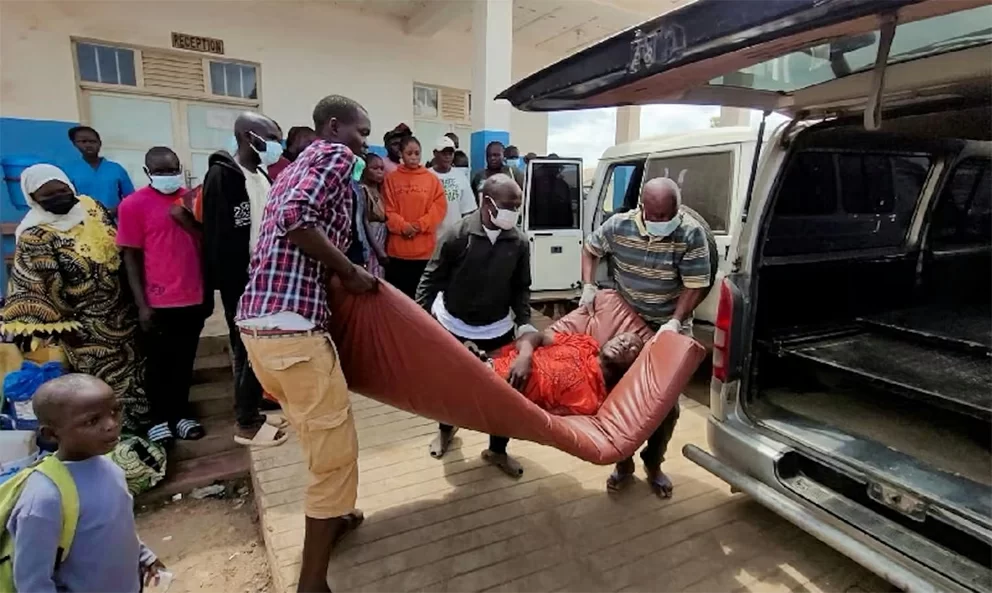
The World Health Organization (WHO) has issued a declaration classifying the ongoing Ebola outbreak caused by the rare Bundibugyo strain spreading across the Democratic Republic of the Congo (DRC) and Uganda as a Public Health Emergency of International Concern (PHEIC), the highest level of global public health alert.
As of the latest official updates, the outbreak has been linked to 80 suspected deaths and 9 laboratory-confirmed infections, with the vast majority of cases concentrated in eastern DRC’s Ituri Province. Health authorities have recorded 246 suspected cases across multiple affected health zones in Ituri, including Bunia, Rwampara and Mongbwalu. Confirmed infections have also been detected far from the initial outbreak zone: one case was reported in Kinshasa, the DRC’s national capital, in a traveler returning from Ituri, and another confirmed infection was documented in Goma, per a statement from M23 rebel groups that control parts of North Kivu province. Across the border in Uganda, two confirmed cases have been registered in the capital Kampala, both involving travelers who arrived from the DRC, and one of those cases has already resulted in a death.
While WHO officials stress that the current outbreak does not meet the criteria to be classified as a pandemic, the global health body has issued a stark warning that neighboring countries sharing a border with the DRC face a high risk of cross-border spread. In response to this risk, WHO has urged at-risk nations to immediately activate national emergency response plans, step up border health screening protocols, and implement systematic Ebola testing at major domestic transit routes.
This outbreak is considered exceptional for a key reason: unlike the far more common Ebola Zaire strain, for which fully approved vaccines and targeted treatments are widely available, no licensed therapeutics or vaccines currently exist to combat the Bundibugyo strain. Like other Ebola variants, the Bundibugyo virus causes severe acute illness, with common symptoms including high fever, muscle pain, vomiting and severe diarrhea. It spreads through direct contact with infected bodily fluids or contaminated materials from infected individuals.
To slow transmission, WHO has recommended that confirmed patients and their close contacts avoid all international travel except for urgent medical evacuation, and has mandated immediate isolation and daily active monitoring for all exposed and infected people. At the same time, the organization has strongly advised against full border closures or widespread trade restrictions, warning that such measures would push cross-border movement underground to unregulated unofficial crossing points, increasing the risk of unmonitored spread rather than containing it.
The DRC holds a long-standing connection to Ebola: the virus was first identified in the country’s central rainforest region in 1976, and the nation has now experienced 17 separate Ebola outbreaks since that initial discovery, most of which have been caused by the Zaire strain. The DRC’s dense tropical rainforest provides a natural reservoir for the virus, which circulates in wild animal populations before spilling over to human communities.
In response to the escalating outbreak, Jean Kaseya, Director of the Africa Centres for Disease Control and Prevention, has requested updated technical response guidelines and is currently evaluating whether to classify the event as a continental-level public health emergency, signaling growing African regional concern over the outbreak’s trajectory.