Just 14 days before Colombia’s May 31, 2026 presidential election, the country has been shaken by a fatal attack that left two senior members of a presidential campaign dead, renewing long-simmering concerns over political violence that has marred the lead-up to the contentious vote.
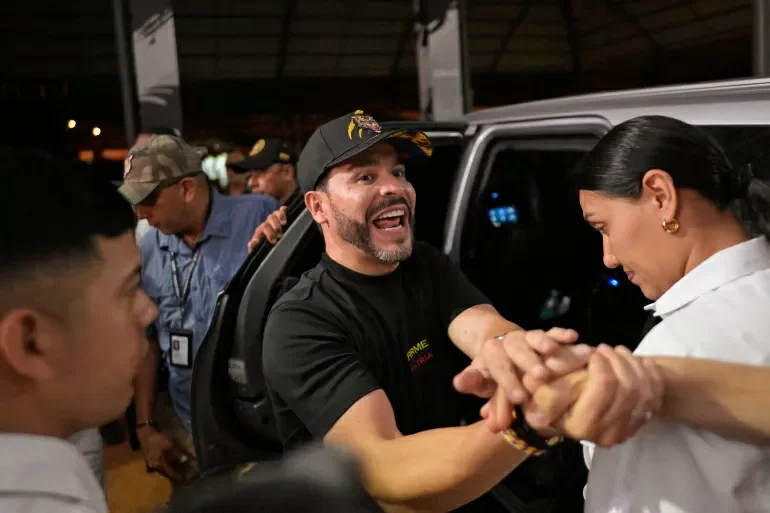
The attack took place in central Meta Department, a region long plagued by rebel activity and illicit cocaine trafficking. Armed men on motorcycles shot and killed Rogers Mauricio Devia Escoba, the former mayor of Cubarral, and his political advisor Eder Fabian Cardona Lopez on the evening of Friday, according to an announcement from right-wing presidential candidate Abelardo de la Espriella, whose campaign the two men worked for. De la Espriella honored the fallen pair as dedicated defenders of Colombian democracy and individual freedom.
Colombia’s national citizen rights ombudsman has sounded the alarm that this killing, combined with a string of other recent attacks targeting political figures including a former mayoral candidate, poses a severe threat to the integrity of the upcoming election. “Violence, threats, and intimidation damage public debate, raise risks for political leaders, and weaken democratic society,” the ombudsman said in an official statement following the attack.
The wave of pre-election violence has emerged as a defining issue in the race to succeed outgoing President Gustavo Petro, Colombia’s first left-wing head of state. Current polling puts left-wing senator Ivan Cepeda, who has run on a platform of continuing Petro’s policy agenda and pushing for a negotiated resolution to the country’s long-running armed conflict, in the lead with 37% to 40% of voter support. De la Espriella, a populist right-wing candidate who has drawn comparisons to El Salvador’s Nayib Bukele and Argentina’s Javier Milei, trails in second place with just over 20% support, followed by center-right senator Paloma Valencia.
Public safety has remained the top flashpoint issue of the campaign, with pre-election aggression stretching back months. At least three presidential candidates have received explicit death threats and now travel with heavy, permanent security details. Last year, Aida Quilcue, Cepeda’s running mate and a prominent Indigenous rights activist, was briefly abducted by a dissident rebel faction that split from the FARC rebel group after the organization signed a landmark 2016 peace deal with the Colombian government. In an even deadlier incident, presidential candidate and sitting senator Miguel Uribe was shot at a campaign rally in Bogotá in June 2025, and died from his injuries two months later.