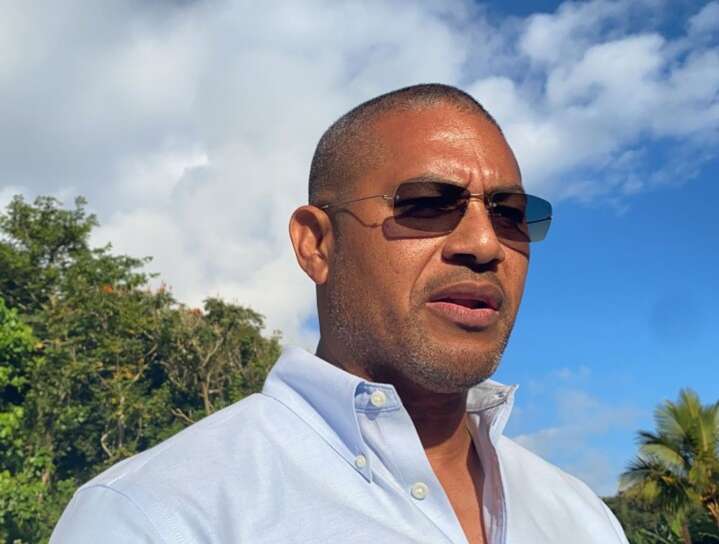
KINGSTON, Jamaica — Jamaica’s crumbling public transportation system has come under fresh fire from opposition transport spokesman Mikael Phillips, who has placed full blame for the sector’s chaotic state on the national Transport Authority during recent parliamentary proceedings. Speaking on May 13 as part of the annual Sectoral Debate in the House of Representatives, Phillips laid out a scathing critique of the regulatory body’s policy choices and the ruling administration’s stalled reform efforts, backed by official licensing data that lays bare the scale of unplanned expansion. Phillips zeroed in on the dramatic surge in issued transit licenses over the past nine years, a growth he argues has not been matched by even basic investment in supporting infrastructure. From 2016 to 2025, the total number of taxi licenses nationwide more than doubled, jumping from just under 14,000 to nearly 28,000. Broken down by region and license class, the expansion is even starker: In the densely populated Kingston Metropolitan Transport Region (KMTR), the number of active Hackney carriage licenses surged 225 percent, climbing from 1,600 in 2016 to 5,200 this year. Route taxi licenses have also skyrocketed, growing 168 percent nationwide to hit 20,275, with the KMTR seeing its own Route taxi count jump from 363 to 2,466 over the same period. “Consider the sheer absurdity of doubling taxi licenses… while providing no meaningful parking facilities or logistical support,” Phillips told lawmakers. He characterized the unregulated expansion as the most clear-cut example of systemic government negligence, arguing that the policy intentionally created the crippling congestion and widespread operational disorder that now clog every major urban center across Jamaica. The opposition spokesman stressed he does not condone the rule-breaking widespread across the public transit sector, but emphasized that systemic failures from top regulators are the root cause of the current chaos. For years, the current administration has promised to table amending legislation to update the outdated Transport Authority Act, but Phillips noted that the bill has yet to be introduced, a delay he calls a defining example of the government’s legislative lethargy and consistent failure to deliver meaningful policy reform. Going a step further, Phillips accused the Transport Authority of operating solely as a revenue-generating body with zero commitment to improving service quality for Jamaican commuters. Beyond the stalled legislative reform, license growth has not been paired with any expansion of much-needed parking infrastructure, any rationalization of the disjointed existing network, or any coherent long-term strategic plan for the country’s public transit sector as a whole. This failure, he argues, has created the daily chaos visible across every Jamaican town: operators and commuters are packed into overcrowded vehicles in conditions Phillips compared to the inhumane Middle Passage of the transatlantic slave trade, reducing transit users to second-class treatment in their own country. Phillips also touched on the growing frequency of violent clashes between law enforcement officers and transit operators, noting that these confrontations put commuters at unnecessary risk and project an image of widespread public disorder to both Jamaicans and international visitors. He closed by reiterating that the overwhelming majority of the current systemic chaos stems directly from the critical deficit in parking infrastructure. Rules of the road cannot be fairly enforced in an environment where there is nowhere legal for operators to park, he said, placing full responsibility for the crisis firmly at the feet of the current government and its regulatory arm.
Phillips blames Transport Authority for the ‘chaos’ in the public transportation system