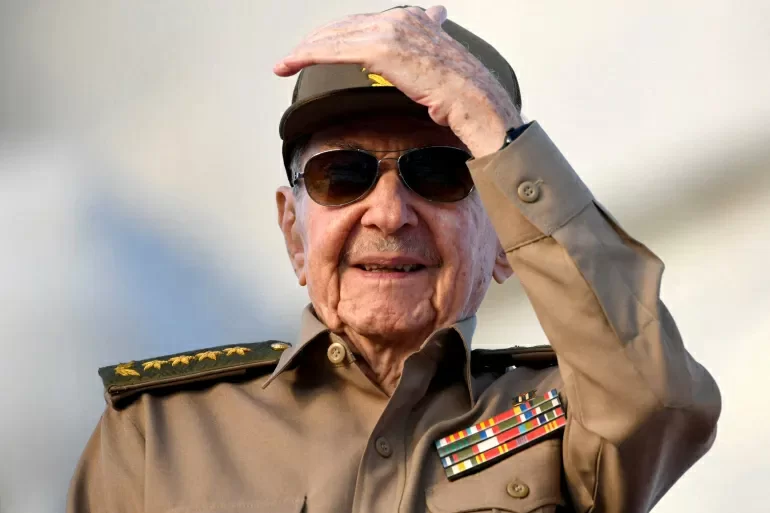
Tensions between the United States and Cuba are on the brink of a sharp new escalation, as U.S. authorities are moving forward with plans to file formal criminal charges against former Cuban president Raúl Castro, multiple sources familiar with the matter confirm. The proposed charges stem from a 1996 incident in which the Cuban government shot down two civilian aircraft operated by Brothers to the Rescue, a U.S.-based anti-Castro dissident organization. Now 94 years old, Raúl Castro stepped down from the presidency in 2018 but remains widely recognized as the most powerful political figure in Cuba, leading the country’s long-ruling communist regime. Any formal charges will require approval from a U.S. grand jury before they can be officially filed, according to people briefed on the process.
The news of the planned charges comes just days after a high-level U.S. delegation led by CIA director John Ratcliffe traveled to Havana for rare direct talks with Cuban officials. During that visit, the U.S. side offered up to $100 million in new humanitarian aid to the island, but tied the assistance to a requirement that Cuba implement what Washington calls “meaningful political and economic reforms.” The proposal was rejected by Cuban authorities, who view the conditional aid as unacceptable interference in the country’s internal affairs.
This latest move against Raúl Castro comes amid a steady deterioration of U.S.-Cuba relations that began shortly after Donald Trump’s second inauguration as U.S. president in 2025. Trump has repeatedly made clear his goal of forcing the communist government out of power, openly identifying Cuba as the “next target” after Venezuelan leader Nicolás Maduro was removed from office in a military-led transition earlier this year. Since January 2025, the Trump administration has already implemented sweeping measures to increase economic pressure on Havana, including rolling back all remaining fuel shipments from U.S.-controlled Venezuela to Cuba and imposing harsh secondary sanctions on any third country that continues to supply crude oil and petroleum products to the island.
Those sanctions have already created a catastrophic fuel crisis across Cuba, a country of 11 million people. The nearly complete fuel blockade has triggered widespread acute shortages of gasoline, diesel, and heating oil, as well as persistent, nationwide power outages that have crippled daily economic activity and public services. Earlier this month, Cuban Energy Minister Vicente de la O Levy issued a public warning confirming that the country has already exhausted its stockpiles of diesel and fuel oil, leaving critical sectors including transportation, agriculture, and public utilities on the brink of collapse. The fuel shortage has only deepened the already severe economic and social crisis that has gripped the island for years, driving widespread hardship for ordinary Cuban citizens.
Beyond the charges against Raúl Castro, the U.S. Department of Justice’s Southern District of Florida, which has long overseen prosecutions related to the Cuban government, is also pursuing potential criminal charges against multiple senior Cuban officials believed to have been involved in the 1996 downing of the Brothers to the Rescue aircraft. U.S. officials frame the ongoing legal actions and planned charges as part of a broader, coordinated strategy to ramp up pressure on the Cuban government and force it to make the political and economic concessions Washington has demanded.