As a low-lying Small Island Developing State (SIDS) acutely exposed to the accelerating impacts of climate change, Antigua and Barbuda has launched a landmark initiative to upgrade its climate hazard early warning systems, with officials projecting the investment could save the nation hundreds of millions of dollars in annual disaster-related losses.
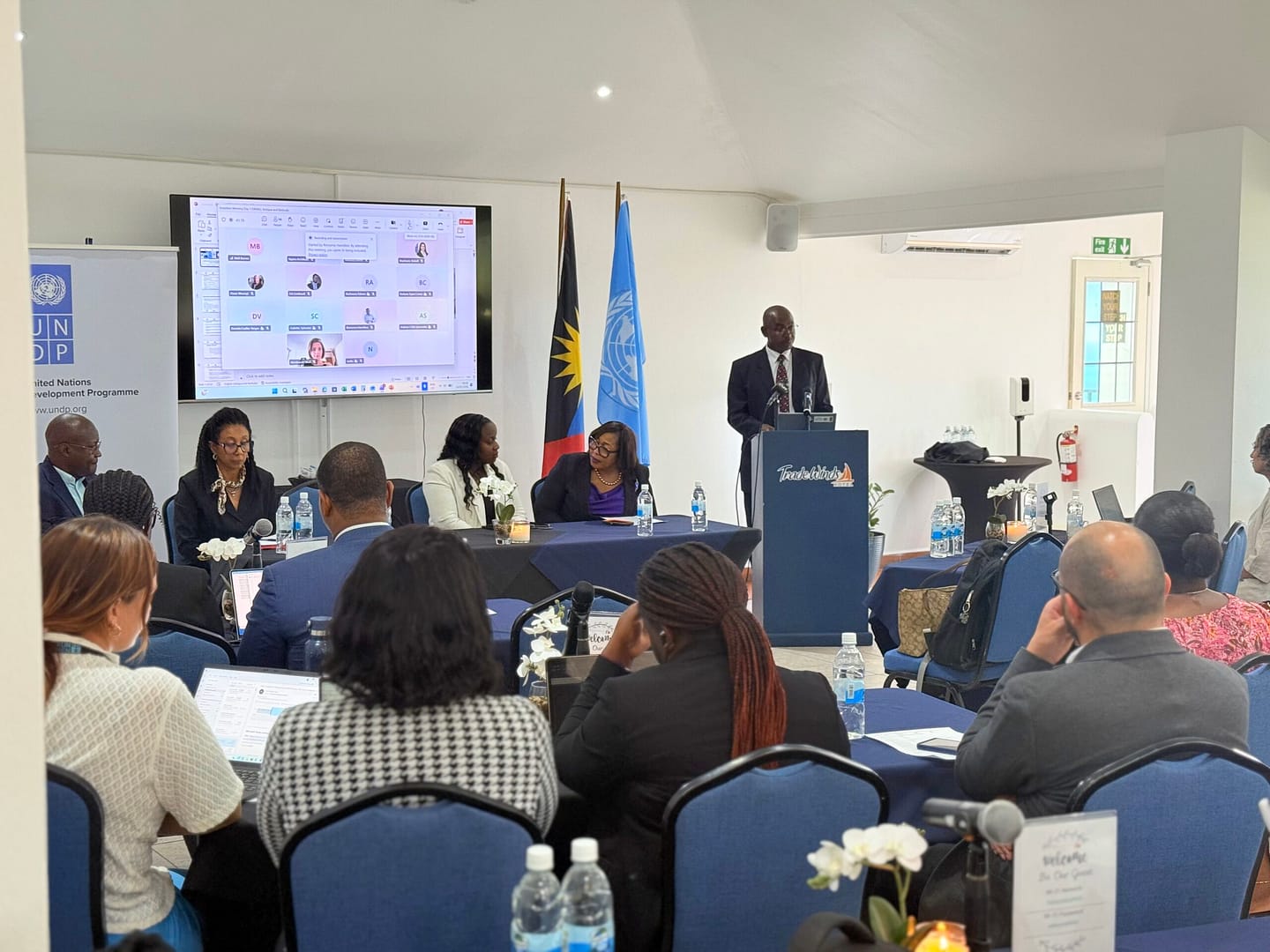
Dale Destin, head of the Antigua and Barbuda Meteorological Service, laid out the case for the new program during the opening session of the Early Warnings for All (EW4ALL) Project Inception Workshop held Thursday at St. John’s Trade Winds Hotel. He emphasized that for small island nations facing disproportionate climate risk, investing in modern meteorological monitoring and early warning infrastructure delivers among the highest returns of any public investment a SIDS can make.
Citing peer-reviewed global research, Destin noted that every $1 injected into robust early warning systems generates between $10 and $15 in net socioeconomic benefits through avoided damage and disrupted activity. For Antigua and Barbuda, that scale of return translates to hundreds of millions of dollars in avoided annual losses and more efficient climate risk management, he said.
Destin framed the EW4ALL project as far more than a routine infrastructure upgrade, calling it the start of a “new era — perhaps even a renaissance” for the country’s early warning capacity. Unlike older systems that focus only on forecasting weather conditions, the new framework will shift to integrated, impact-based forecasting that delivers actionable insight to help communities and authorities prepare for oncoming hazards.
The EW4ALL initiative is a local component of a global program rolled out by the United Nations Secretary-General, which has a core goal of ensuring every person on the planet is covered by effective early warning systems for climate and weather hazards by 2027.
In his remarks, Destin reiterated the extreme vulnerability Antigua and Barbuda faces as a small island developing state. The nation is regularly threatened by a wide range of climate hazards, including hurricanes, flash floods, prolonged droughts, extreme heatwaves, storm surges, lightning strikes, marine hazards, and chronic sea-level rise. “In small island states like ours, there is very little margin for error,” Destin said, adding that a single severe weather event can wipe out years of development gains, destroy critical public infrastructure, and upend daily life for thousands of residents.
He explained that modern early warning systems have evolved far beyond basic weather forecasting. Today, their core function is to deliver targeted, actionable information that allows governments, emergency response teams, private businesses, and individual residents to make timely, life-saving decisions. “The public no longer simply wants to know what the weather will be; they increasingly want to know what the weather will do,” Destin noted.
The project also addresses longstanding systemic challenges facing meteorological agencies across the Caribbean region, which Destin highlighted in his address. These barriers include aging monitoring infrastructure, chronic staffing shortages, growing climate variability, and rising public demand for more accurate, localized forecasts tailored to specific communities and economic sectors.
Under the EW4ALL project, Antigua and Barbuda’s meteorological service will receive support to modernize its observational infrastructure, strengthen hazard warning dissemination networks, expand capacity for impact-based forecasting, and build long-term technical skills for local staff. Beyond climate preparedness, the initiative aligns with broader national priorities around climate adaptation, disaster risk reduction, and inclusive sustainable development.
Destin also emphasized that reliable weather and climate data is a critical economic asset for Antigua and Barbuda, underpinning key sectors that drive the national economy including tourism, civil aviation, marine shipping, agriculture, public health planning, and major infrastructure development.
Ultimately, he added, the initiative’s success will not depend on technology alone. Sustained impact will require clear, accessible public communication, coordinated action across different government agencies, and ongoing efforts to build and maintain public trust in warning information. “What saves lives is trusted information, effective communication, institutional coordination, preparedness, and the ability of people to act on warnings,” Destin said.