From May 11 to 13, the eastern Chinese city of Hangzhou has become the global hub for conversations reshaping the future of learning, playing host to the 2026 World Digital Education Conference. This year’s landmark gathering, centered on the theme “AI+Education: Transformation, Development, Governance,” draws together cabinet-level education officials, pioneering tech innovators, veteran educators and cross-sector leaders from every corner of the globe, united by a shared goal of exploring artificial intelligence’s evolving role in reimagining 21st-century education.
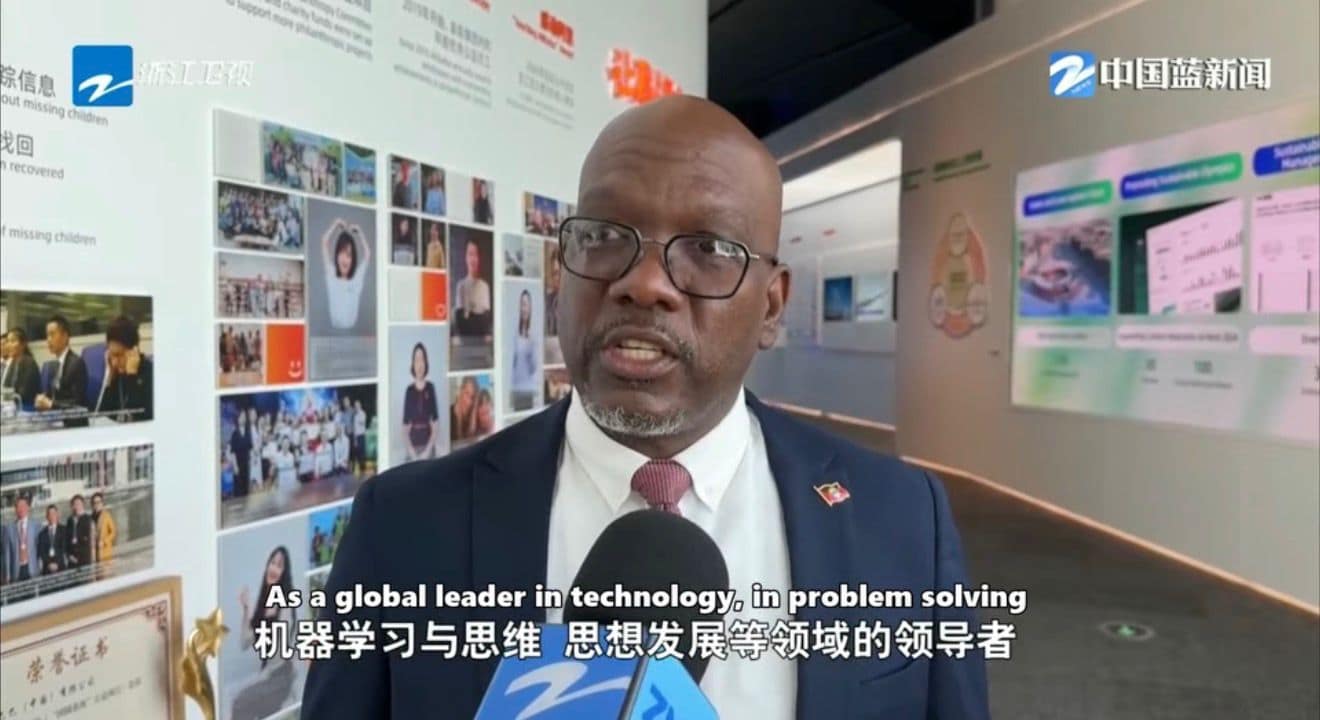
Among the high-level delegates in attendance is Daryll Matthew, Education Minister of Antigua and Barbuda, who traveled to China to take part in the collaborative dialogue. In his remarks during the conference, Matthew offered substantial praise for China’s decades-long trajectory of technological progress and breakthrough innovation. He emphasized that over the past 30 to 40 years, China has cemented its position as a worldwide leader across key technology spaces, including machine learning, large-scale problem solving, and iterative development of cutting-edge technological solutions.
“China has emerged over the last three or four decades as a global leader in technology, in problem solving, in machine learning and in thinking, in thought development,” Matthew stated publicly during the event.
For small island developing states like Antigua and Barbuda, the conference serves as a critical opportunity to access cutting-edge insights and scalable models for digital education. Matthew made clear that his nation intends to leverage the ideas and innovative frameworks showcased at the gathering to strengthen its own education ecosystem over the coming years. “And I’m hoping that we can over time adopt in my country of Antigua and Barbuda,” he added, highlighting the long-term ambition for knowledge-sharing and policy adoption.
Beyond individual national partnerships, the conference is structured to advance global collective action: participating stakeholders are working collaboratively to map out how AI can modernize outdated education systems, elevate student learning results, and contribute to the United Nations’ sustainable development goals. At the same time, delegates are actively debating and building consensus around frameworks for inclusive, responsible governance that ensures AI integration in education is equitable, secure, and accessible to learners across all income and regional groups.