Jamaica’s main opposition party has launched a scathing attack on the current administration, accusing it of allowing the nation’s flagship public transit provider, the Jamaica Urban Transit Company (JUTC), to fall into the worst crisis in its institutional history.
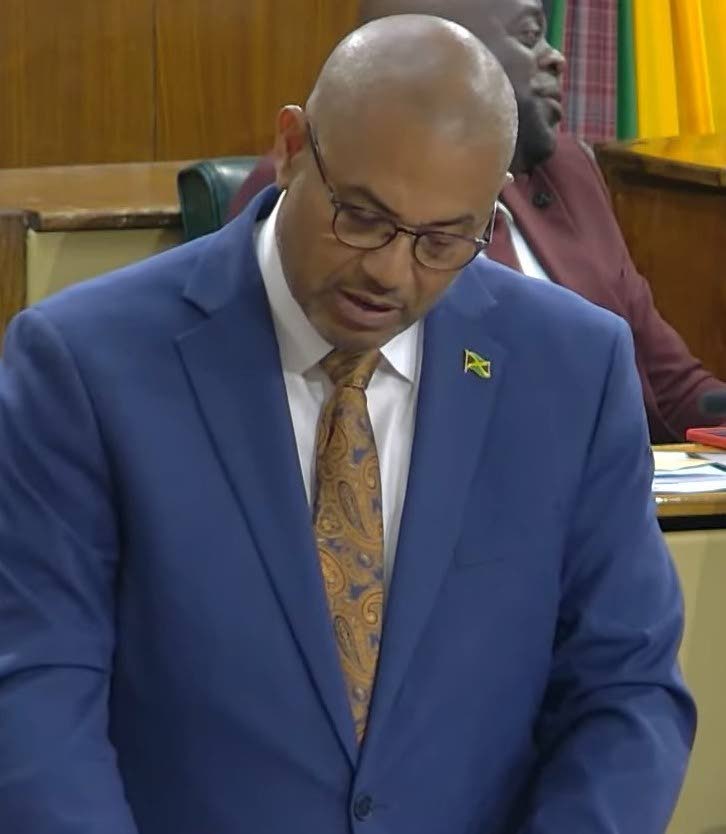
Speaking during the ongoing sectoral debate in Jamaica’s House of Representatives, opposition transport spokesperson Mikael Phillips drew a stark medical metaphor to describe the state-owned bus operator’s decline, saying the JUTC has spent a full decade lingering in the “accident and emergency department” amid ballooning financial losses and sustained government policy neglect. He called the current situation the “most pathetic state” the agency has faced since its founding.
Phillips pushed back against government claims of progress, pointing out that successive ruling party budgets have poured billions of dollars in public subsidies into the JUTC and greenlit the purchase of hundreds of new transit vehicles—yet the agency continues to drift deeper into systemic financial and operational failure. He derided the government’s half-hearted interventions, comparing them to “calling on a carpenter to examine a critical patient, when what is truly required is oxygen and a skilled physician to diagnose the ailment and prescribe the cure.”
The opposition spokesperson laid out grim financial figures to back his criticism, noting that cumulative losses for the JUTC have topped $100 billion over the past 10 years. This fiscal year alone, the agency is projected to post a staggering $14.8 billion deficit, and remains operational only through an emergency $11 billion government grant that keeps it afloat month to month.
Even with major capital investments in the fleet, Phillips argued, core performance metrics for the JUTC have failed to improve. He raised pointed questions about the agency’s soaring maintenance and fuel costs, particularly perplexing given that a large share of the updated fleet now runs on lower-cost compressed natural gas or electric power.
Beyond financial mismanagement, Phillips also criticized the current administration’s decision to expand JUTC routes into rural parts of the island. That expansion, he argued, has sparked unnecessary and escalating friction between the state-owned transit giant and smaller private transport providers that already serve those communities.
At its core, Phillips argued, the JUTC’s deepening crisis is a symptom of a larger failing: the complete absence of a coherent, long-term national public transportation policy from the current government. He issued a clear warning that continued delays to comprehensive structural reform will only further erode public transit access and reliability across the entire island of Jamaica.