In a recent press briefing addressing growing economic pressure on Dominican households, Prime Minister Roosevelt Skerrit has traced the sharp spike in domestic fuel prices to the ongoing geopolitical conflict between the US, Iran and Israel, while crediting the country’s emerging geothermal energy project with preventing even more dramatic electricity cost increases for consumers.
Skerrit outlined the timeline of price increases, noting that when the conflict erupted on February 28, 2026, gasoline retailed at $14.96 per gallon and diesel stood at $13.84 per gallon on the island. In the months following the conflict’s start, global crude oil markets have seen a dramatic upward swing, sending ripple effects through fuel markets worldwide and reaching local consumers in Dominica directly.
“Since that date, global crude prices have jumped more than 30 percent, which has driven local pump prices up to $17.98 per gallon for gasoline — a 20.2 percent increase — and $20.53 per gallon for diesel as of May 7 this year,” Skerrit told reporters. He added that American consumers have faced even steeper jumps, with some reports showing domestic fuel prices in the U.S. rising as much as 50 percent since the conflict began.
The prime minister openly acknowledged the intense financial strain that elevated fuel costs are placing on everyday Dominican families, admitting that the current price of diesel is an enormous burden for households. Crucially, he noted that the island nation has no control over global geopolitical developments or international commodity prices that drive these increases.
To cushion the blow for consumers, the Dominican government has maintained fuel subsidies, but Skerrit explained that this policy is putting unsustainable new pressure on the country’s national budget. The government is already facing rising operating costs across critical public sectors, including schools, hospitals, and general public services, alongside ongoing recovery and reconstruction work following devastating floods that hit the island’s eastern and northeastern regions in April.
With diesel prices climbing 48 percent since February and global crude markets expected to remain volatile through the rest of 2026, Skerrit emphasized that fuel subsidies have become a growing drain on public finances. This budget pressure, in turn, limits the government’s ability to allocate funding to other core priorities: public health, education, infrastructure expansion, and ongoing disaster recovery.
In response to this balancing act, the prime minister announced that the government will implement monthly reviews of fuel pricing and subsidy policy, aiming to strike a sustainable balance between protecting consumers from sudden price shocks and maintaining responsible long-term fiscal management for the country.
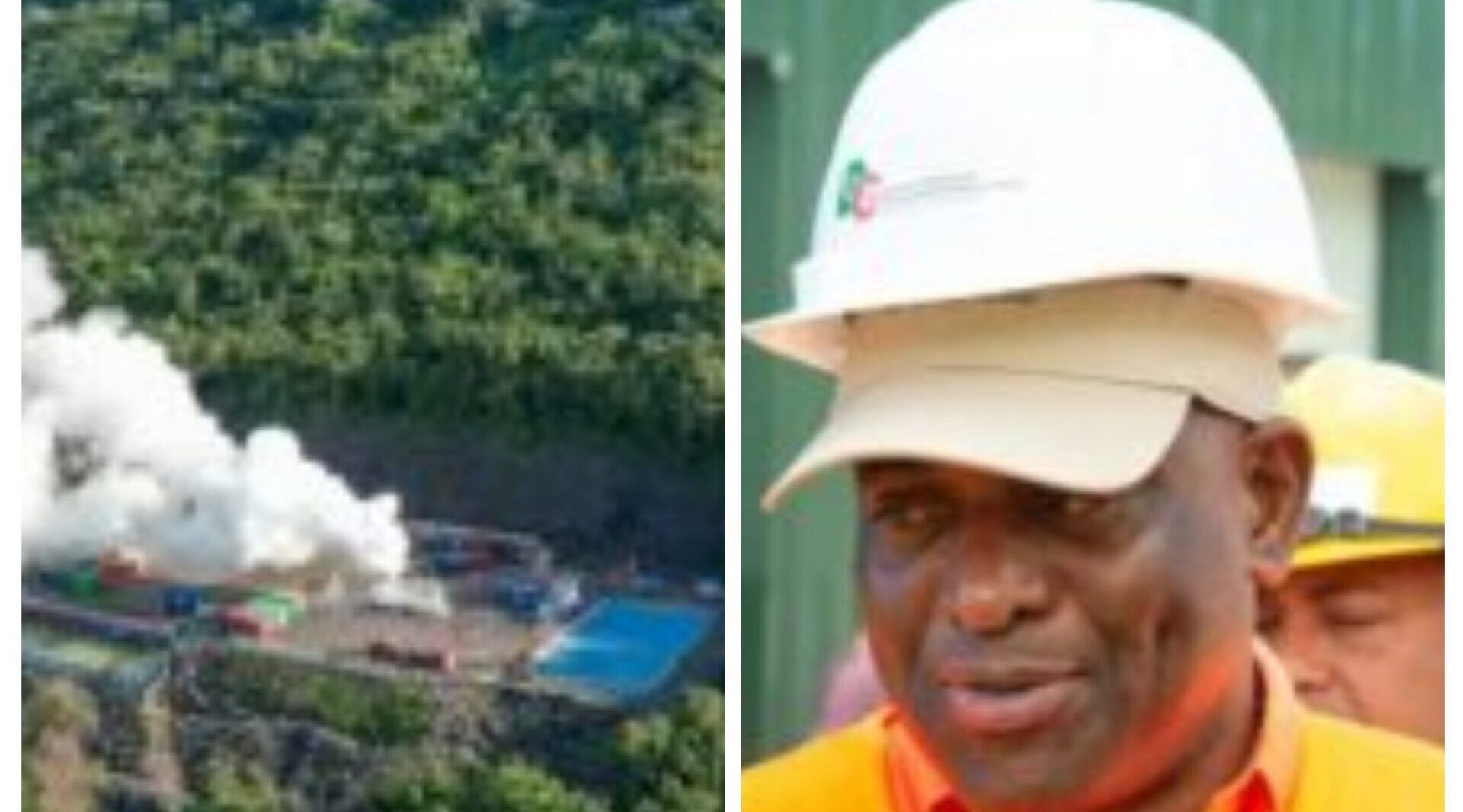
Turning to a bright spot in the island’s energy landscape, Skerrit highlighted the critical role that Dominica’s investment in geothermal energy is already playing, even before the new geothermal power plant holds its official commissioning. The project is already supplying power to the national grid, and the prime minister said this domestic renewable capacity has insulated the country from far steeper increases in electricity prices.
“If we had not moved forward with geothermal development — even though the plant is not yet officially open, we have been drawing geothermal power for some time — every Dominican would be facing massive jumps in their electricity bills right now because of the war,” Skerrit explained. He noted that the Dominican electricity utility DOMLEC would otherwise rely almost entirely on imported diesel for power generation, leaving electricity prices directly tied to volatile global oil markets.
Looking forward, Skerrit reaffirmed that the government’s sustained investment of time and funding into geothermal development is a strategic move to strengthen Dominica’s long-term energy security and cut the country’s exposure to unpredictable swings in global crude oil prices. “We understand fully why the government has dedicated so many resources to advancing geothermal,” he added.