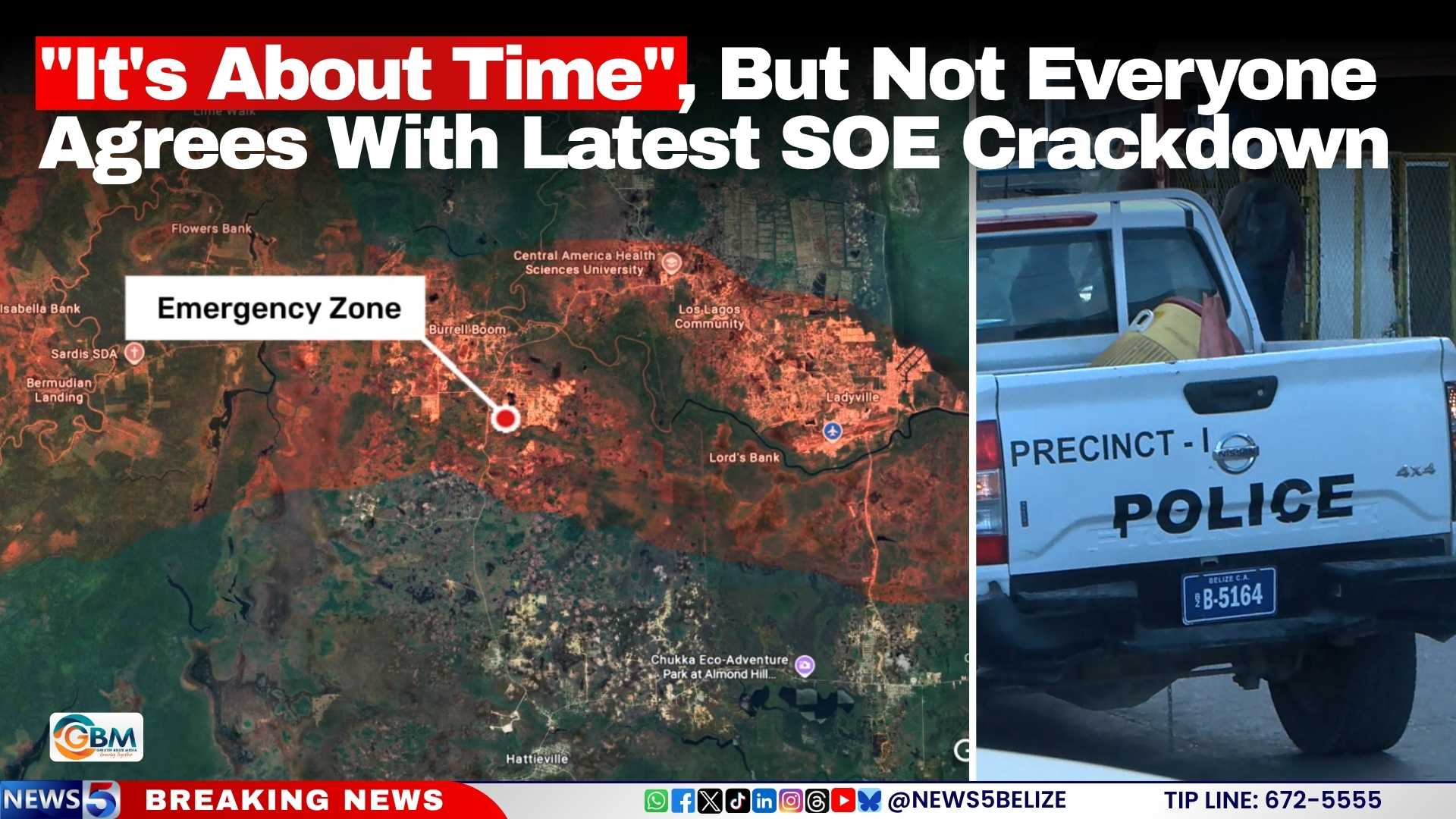
In the wake of a devastating wave of retaliatory shootings that left Belize City on edge and communities shaken, Belizean authorities have enacted a 30-day State of Emergency (SOE) granting expanded police and military powers to crack down on urban violence, a move that has sparked fierce public debate across the Central American nation. The emergency declaration, formally issued this past Friday, came in direct response to a rapid string of deadly violent incidents that upended daily life in the capital, leaving residents hypervigilant and pushing officials to implement sweeping emergency measures to regain control of public safety. Under the terms of Statutory Instrument 50 of 2026, the new policy extends broad new authority to law enforcement officers and Belize Defence Force soldiers deployed in high-risk affected zones: these powers include conducting warrantless searches of private property, detaining suspects for up to 30 days without formal charges, and immediately shutting down any business that authorities suspect of being tied to violent criminal activity. As of this week, nine adult suspects have already been taken into custody and transferred to Belize Central Prison to await processing under the new emergency framework. Speaking to reporters on Monday, Commissioner of Police Dr. Richard Rosado moved quickly to reassure law-abiding residents that the extraordinary measures are deliberately targeted, not broad-reaching. “The SOE is specific to certain individuals and does not affect the law-abiding citizen in any way,” Rosado emphasized, adding that the operation is focused solely on dismantling violent criminal networks that have been driving the recent surge in shootings. The emergency order is set to remain in force for an initial 30-day period, with the National Development retaining the authority to extend the declaration if officials deem it necessary to maintain public order. Public reaction to the crackdown has been deeply split along competing concerns over public safety and civil liberties. Many Belizeans took to social media to voice enthusiastic support for the aggressive intervention, with many arguing that long-overdue action against criminal groups is long overdue. “It’s about time… These criminals are not thinking about us,” one widely shared online comment read, capturing the sentiment of residents who have grown exhausted by persistent gang violence in the city. But critics have pushed back forcefully against the expanded police powers, raising alarms over the potential for abuse of authority and violations of constitutional due process. One prominent online critic questioned, “Holding a person for up to 30 days? Wrong on so many levels,” adding that the policy grants individual officers unchecked power to close businesses based on nothing more than unproven suspicion. These concerns echo unresolved controversies from a prior SOE declared in 2020, when a group of detained men successfully challenged their detentions in court, arguing that the measures were unconstitutional and unjustified. That 2020 SOE also saw multiple formal accusations of excessive force and abuse of power against responding officers. Even some members of the public who support the goal of cracking down on violence have shared measured concerns about how officers will implement the new powers. “Well-intended, law-abiding citizens have no issues with these SI measures; however, there is valid concern as to whether the majority of police officers can remain civil as they execute their duties. Hoping for a successful operation,” one commenter noted, capturing the ambivalence of many residents caught between fears of violence and fears of overreach. As the 30-day operation gets underway, the Belizean public will be watching closely to see whether the SOE delivers on its promise of curbing violence without eroding the civil rights of ordinary residents.