As generative artificial intelligence continues to reshape learning environments across the globe, regional examination bodies are navigating uncharted territory to balance technological innovation with academic integrity. The Caribbean Examinations Council (CXC®) has stepped forward to address growing uncertainty among students, teachers, and families across the Caribbean region, releasing a clear, compassionate policy framework for AI integration in School-Based Assessments (SBAs) that prioritizes fairness, human oversight, and educational integrity.
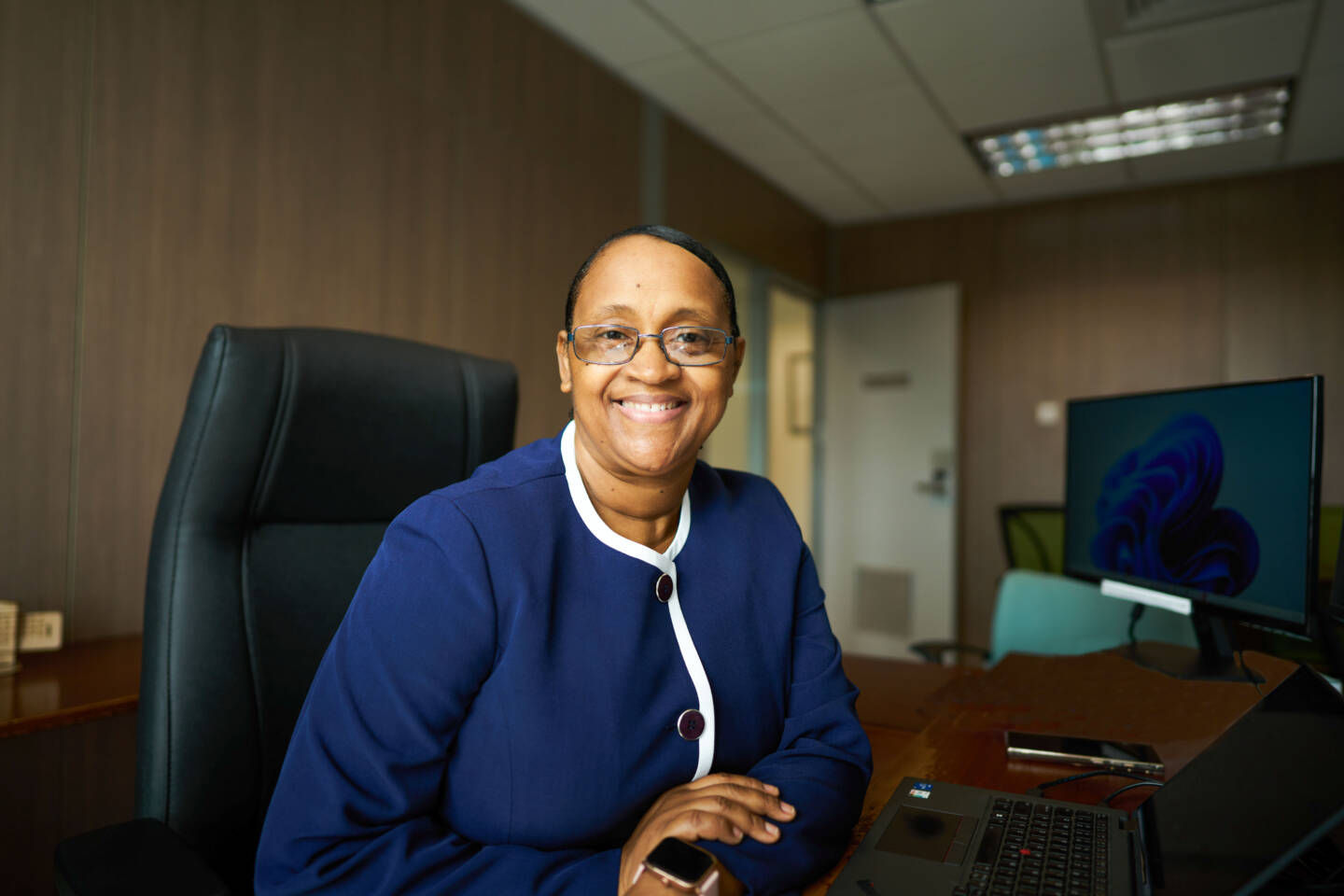
In a public video address shared across CXC®’s official website and social media platforms, Dr. Nicole Manning, the council’s Director of Operations, openly addressed both the transformative opportunities and pressing challenges that AI tools bring to academic work and SBA development. She offered targeted reassurance to stakeholders adjusting to the rapidly evolving digital education landscape, acknowledging widespread anxiety around how AI would be policed in regional assessments.
A core point of public concern has centered on the reliability of commercial AI detection tools, which researchers have repeatedly shown to produce high rates of false accusations against student work. In response to these worries, Dr. Manning emphasized that AI detection software will never serve as the sole evidence for penalizing a student’s submission. “The teacher-student relationship built over months of observation, drafts, conversations, and guidance remains central to how SBAs are moderated and assessed,” Dr. Manning stated in her address. “AI checkers are one input. They are not the verdict. There will be human interventions right through the process to ensure fairness,” she added.
CXC®’s updated guidelines draw a clear line between acceptable and unacceptable AI use for students completing SBAs. The council permits learners to leverage AI as a supportive study tool: students may use AI to clarify complex concepts, brainstorm project ideas, explain challenging terminology, or draft structural outlines for their work. However, any use of AI, no matter how minor, requires full transparency: students must disclose their AI utilization via a mandatory Disclosure Form and Originality Report, citing the tool as a source in their final submission. For students who complete their work without any AI assistance, no additional documentation is required.
The council classifies the submission of work generated entirely or predominantly by AI without disclosure as a case of academic dishonesty. Any such cases will be processed through the organization’s established irregularity protocols, with collaborative input from the candidate, their classroom teacher, and school leadership to reach a fair outcome.
Recognizing the extra burden that adapting to AI-integrated assessment places on Caribbean educators, Dr. Manning reaffirmed CXC®’s commitment to supporting teachers through the transition. The council will provide targeted resources and specialized training to help educators implement the new guidelines consistently and confidently. “You are not alone in this,” she told the teaching community. “Engage your students in honest conversations about how they use these AI tools. Guide them on what they can do, what they cannot, and why academic integrity matters beyond the examination room.”
For Caribbean students, Dr. Manning offered a reflective call to prioritize personal integrity over shortcutting assessment requirements. “Integrity is not about whether a machine can detect what you did. It is about who you choose to be,” she said.
Dr. Manning’s full address, titled “Who You Choose to Be,” is available for public viewing on CXC®’s official YouTube channel. The complete Standards and Guidelines on Generative AI Use in School-Based Assessments can be downloaded at the council’s official website, www.cxc.org.