Against a backdrop of growing regional mobility in the Caribbean, a small but transformative grassroots intercultural initiative is breaking down communication barriers and fostering inclusive community in the Commonwealth of Dominica. The project, led by Natasha Yeeloy-Labad, a selected Young Leader through UNESCO’s Youth for Peace Intercultural Leadership Programme, grew from an everyday classroom challenge: when a new student from French-speaking Guadeloupe struggled to connect with local peers, Natasha stepped in to design interactive, relationship-building activities that turned linguistic difference into an opportunity for connection. Through collaborative games, explorations of local slang and cultural expressions, and creative communication exercises, students slowly built trust and found common ground across their language gap. This small classroom success became the foundation for a far broader community effort.
In recent years, intensifying intra-Caribbean migration driven by demands for education, employment, and improved life opportunities has reshaped Dominica’s social fabric, bringing growing demographic diversity to local communities and schools. Classrooms now bring together students from a wide spectrum of backgrounds: rural and urban residents, members of indigenous communities, and young people from diaspora and migrant households. While demographic diversity does not automatically translate to inclusive connection and mutual understanding, structured opportunities for cross-cultural interaction lay critical groundwork for building shared experiences among children and young people.
Recognizing the power of personal narrative to bridge divides, Natasha developed a dialogue-centered initiative centered on storytelling and peer exchange, supported through the Youth for Peace programme implemented by UNESCO’s Social and Human Sciences Sector. The programme provides Natasha with targeted grant funding, ongoing skills training, and one-on-one mentorship to grow her work. At the heart of her model is the use of personal storytelling as a tool for intercultural connection: in structured, guided, safe dialogue sessions, participants are invited to share their own lived experiences, listen actively to peers, and engage with diverse perspectives. Through these exchanges, abstract values like inclusion, mutual respect, and peaceful coexistence become tangible concepts that participants can integrate into their daily interactions.
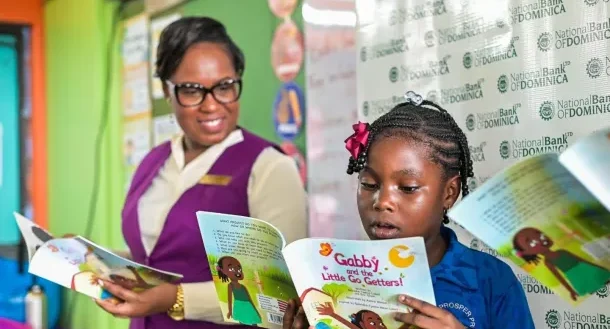
The initiative launches its work in primary and secondary schools, where students from varied backgrounds unpack their own identities and experiences through personal narrative. Many participants have embraced the opportunity to write and share their own stories, reflecting on moments they felt belonging or exclusion, and engaging with peacebuilding principles in ways that feel personal and relevant to their daily lives.
Uniquely, Natasha’s work extends far beyond the walls of school classrooms. The same dialogue-focused framework has been adapted for community-wide settings, bringing together local Dominican children with young migrants from backgrounds including Nigeria and Haiti to share experiences in structured, respectful spaces. The project also engages older youth, creating dedicated spaces for reflection and exchange around themes of identity, interpersonal behavior, and conflict resolution. By operating across schools, community centers, and local youth groups, the initiative adopts an intentional intergenerational approach that brings together children, young people, and longstanding community members in dialogue, embedding lessons of inclusion and understanding across the entire community rather than confining them to a single setting.
Looking forward, the initiative will continue expanding its reach through peacebuilding workshops, intercultural exchange sessions, peer networking meetups, and cross-school exchange programs, giving participants ongoing opportunities to put their new intercultural skills into practice in real-world contexts. The Youth for Peace UNESCO Intercultural Leadership Programme, which supports Natasha’s work, is funded through a generous contribution from the Kingold Group. This piece was originally published by UNESCO on April 30, 2026, and reflects the views of the author alone.