A hantavirus outbreak tied to a Central Atlantic cruise ship has left three people dead, but health authorities in Antigua and Barbuda have moved to reassure the public that the threat of widespread local transmission remains minimal.
As of the latest update from regional health bodies, eight cases are connected to the ongoing incident: three have been laboratory-confirmed as hantavirus infections, five are classified as suspected cases, and three people have died from the disease.
In response to the outbreak, the Antigua and Barbuda Ministry of Health has ramped up public health surveillance across the country, with a focused emphasis on ports of entry and the entire cruise tourism sector. Local officials are coordinating closely with both regional and international public health agencies to track the evolving situation closely and respond quickly to any changes.
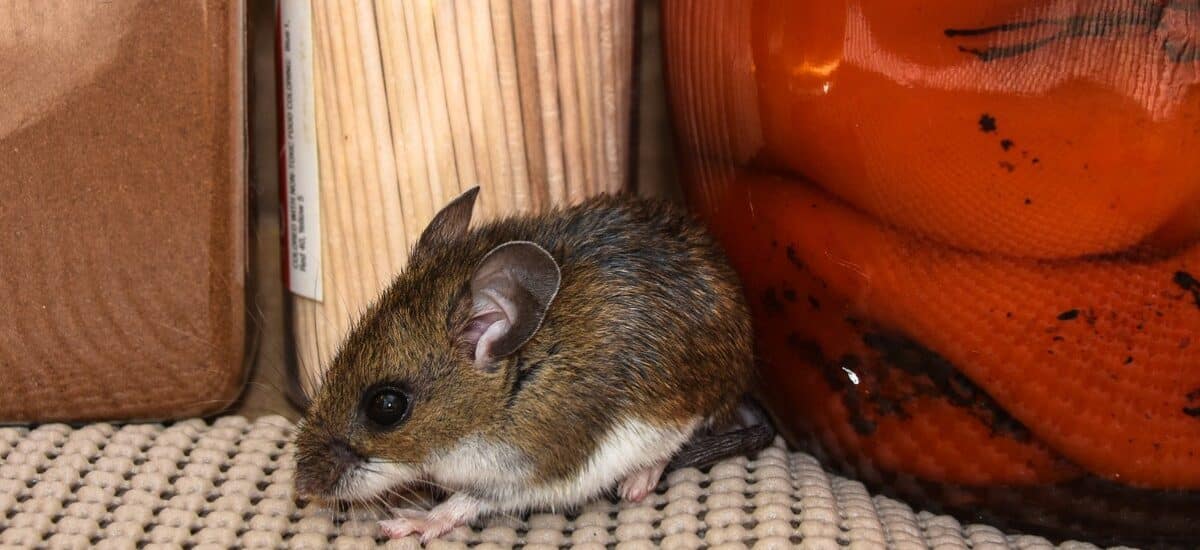
Health experts have clarified key facts about hantavirus transmission to ease public concern. The virus is most commonly spread to humans when they come into contact with infected rodents or their excreta, such as droppings and urine. Notably, the strains of hantavirus that circulate in the Americas are typically associated with wild field rodents, not the common urban rat populations that are widespread across the Caribbean. Human-to-human transmission of the virus is also extremely rare, further lowering the risk of a local outbreak.
To prevent any potential introduction of the virus to Antigua and Barbuda, the Ministry of Health is rolling out additional precautionary protocols for all cruise vessels and other incoming ships calling at the country’s ports. The Antigua and Barbuda Port Authority has received full, up-to-date briefings on the situation and is working alongside health officials to enforce new safety measures.
Local residents have been issued clear guidance to reduce their personal risk: authorities are urging the public to maintain consistent, proper sanitation practices and proactive rodent control measures. Key recommendations include storing all household and commercial garbage in secure, sealed containers, keeping residential and public spaces clean and free of food debris that can attract rodents, and avoiding any direct contact with rodent droppings or urine.
Officials have committed to sharing new public updates promptly should any significant developments related to the outbreak occur, ensuring transparency and keeping the public informed.