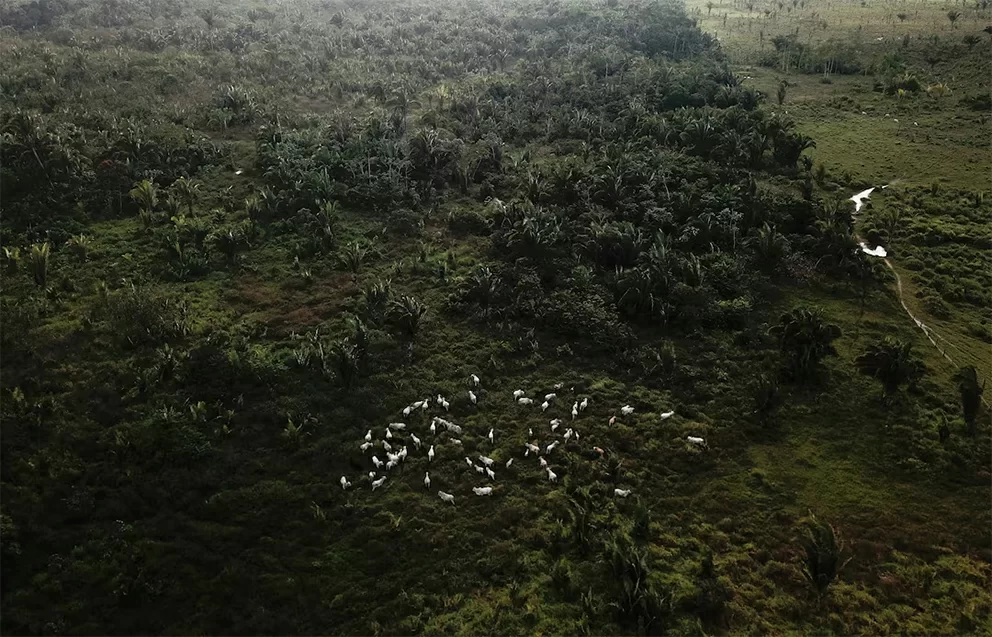
Against a backdrop of growing global concern over Amazon deforestation tied to agricultural trade, a group of leading Chinese beef importers has made a landmark commitment to source deforestation-free certified beef from Brazil, challenging long-held assumptions about China’s approach to global commodity purchasing. The initiative, led by Xing Yanling, chair of the Tianjin Meat Industry Association, marks a visible shift toward sustainability in one of the world’s largest agri-food trade relationships. During an April visit to the Brazilian Amazon region, Xing expressed admiration for the region’s rich ecosystems, framing her trip as far more than a casual tourist visit. Under her leadership, importers handling roughly 40% of all China’s Brazilian beef imports have pledged to purchase 50,000 tons of certified deforestation-free beef before the end of 2025. This volume accounts for approximately 4.5% of Brazil’s projected total beef exports to China for the year. For years, conventional wisdom has held that China prioritizes low prices above all else when sourcing bulk commodities like soy and beef from South America. This new pledge upends that narrative, signaling that one of the most powerful players in global commodity trade is willing to pay a premium for more sustainable, responsibly sourced supply chains. The private sector commitment builds on years of policy action from the Chinese government to address the environmental footprint of its international trade. In 2019, China updated its forestry laws to ban trade in illegally harvested timber, and in 2023, the country signed a joint agreement with Brazil to end trade linked to illegal deforestation. Even before the latest industry commitment, major Chinese state-owned agribusiness COFCO had already laid out a goal to eliminate deforestation from its entire supply chain starting last year. Beef production is widely recognized as one of the agricultural commodities most closely linked to Amazon deforestation, particularly in Brazil’s northern rainforest regions. Environmental research group MapBiomas estimates that 90% of all deforested land in the Brazilian Amazon is immediately converted to cattle pasture. As Chinese consumer awareness of environmental issues grows alongside rising purchasing power, demand for traceable, more eco-friendly food products has surged. The new initiative relies on the “Beef on Track” certification label developed by Brazilian non-profit Imaflora, which allows end consumers and buyers to verify that beef is fully traceable, sourced from legal land, and free of deforestation links. Impressively, the Tianjin-based importers have agreed to pay a 10% premium for beef that meets the certification’s strict standards, which also include prohibitions on slave labor. While the initiative holds enormous potential to drive systemic change in the Brazil-China beef trade, it faces significant, well-documented challenges. Brazil’s current cattle tracing systems are vulnerable to fraud, a common scam known as “cattle laundering” where illegal cattle raised on deforested land are mixed with legal cattle to enter the supply chain. Industry experts note that widespread upgrades to tracing infrastructure could take years to implement. Additionally, Brazil implemented a new import quota for beef bound for China this year, adding extra pressure to the already constrained market. Reactions within Brazil’s beef industry have been divided. ABIEC, the country’s leading beef export association, has raised concerns that adding an extra certification layer could complicate market operations and has called for alignment with existing industry systems. Even so, Imaflora emphasizes that the certification is designed to reward existing sustainable efforts and open new market opportunities, rather than create unnecessary barriers for producers. “This certification recognizes the work that companies are already doing to guarantee sustainability and traceability,” explained Marina Guyot, a representative of Imaflora. The “Beef on Track” certification is expected to be fully available to meat processors, retail supermarkets, and importing companies by the end of the year, opening what could be a transformative new chapter in sustainable bilateral trade between Brazil and China.
Veranderende consumptiegewoonten in China kunnen Amazone-regenwoud beschermen