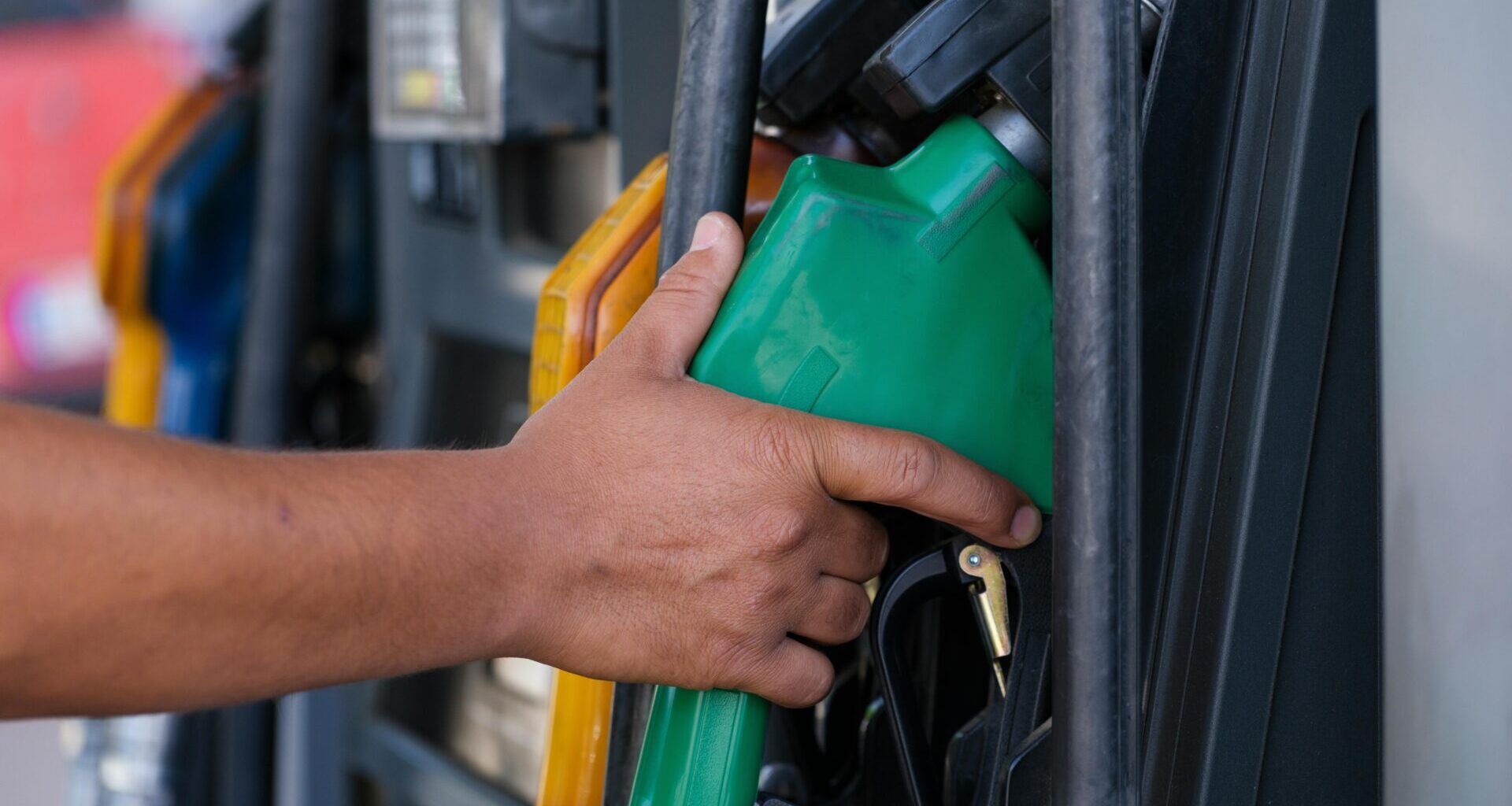
Against a backdrop of skyrocketing global crude oil markets, the Commonwealth of Dominica is rolling out targeted consumer relief through a new fuel subsidy program designed to soften the blow of steep price increases for local motorists and businesses. As of May 7, 2026, unsubsidized fuel prices across the island stand at $17.98 per gallon for regular gasoline, $19.23 per gallon for high sulfur diesel, $20.53 per gallon for ultra-low sulfur diesel, and $18.23 per gallon for kerosene.
In an official press briefing, Prime Minister Roosevelt Skerrit outlined the context driving the policy: global crude prices have spiked by more than 30% in recent months, creating unavoidable upward pressure on local retail fuel costs that threatened household budgets and small business viability. To counter this trend, the Dominican government will roll out per-gallon subsidies ranging between $1.50 and $2.00 starting at the next monthly fuel price review cycle, scheduled for the end of May. The subsidy will be delivered through a targeted reduction in domestic fuel taxes.
While the relief package will come at a net cost of more than $500,000 to public funds each month, Skerrit emphasized that the support is critical for low- and middle-income households, public transportation operators, commercial fishing crews, and small and medium-sized enterprises across the island. At the same time, the Prime Minister was transparent about the significant tradeoffs the policy requires for public finances. Every dollar allocated to fuel subsidies represents forgone government revenue at a moment when public spending is already rising rapidly. Higher operating costs for core public services including public schools and hospitals, coupled with ongoing post-disaster recovery efforts in the flood-hit eastern and northeastern regions of the country, have stretched public budgets thin.
Skerrit added that diesel prices alone have jumped 48% since the start of February 2026, and ongoing volatility in global crude markets through 2026 means these subsidies will become an increasingly heavy burden on the Dominican national treasury. This sustained pressure, in turn, limits the government’s ability to allocate funding to other core priorities, including public health initiatives, public education upgrades, infrastructure development, and long-term disaster resilience programming.
Moving forward, the government will maintain a monthly fuel price review process to strike a balance between protecting consumers from sudden price shocks and upholding responsible fiscal management that preserves long-term public service capacity. Looking beyond short-term relief, Skerrit reaffirmed that the only sustainable path to long-term energy security for Dominica is accelerating the country’s transition from fossil fuels to domestic renewable energy sources.