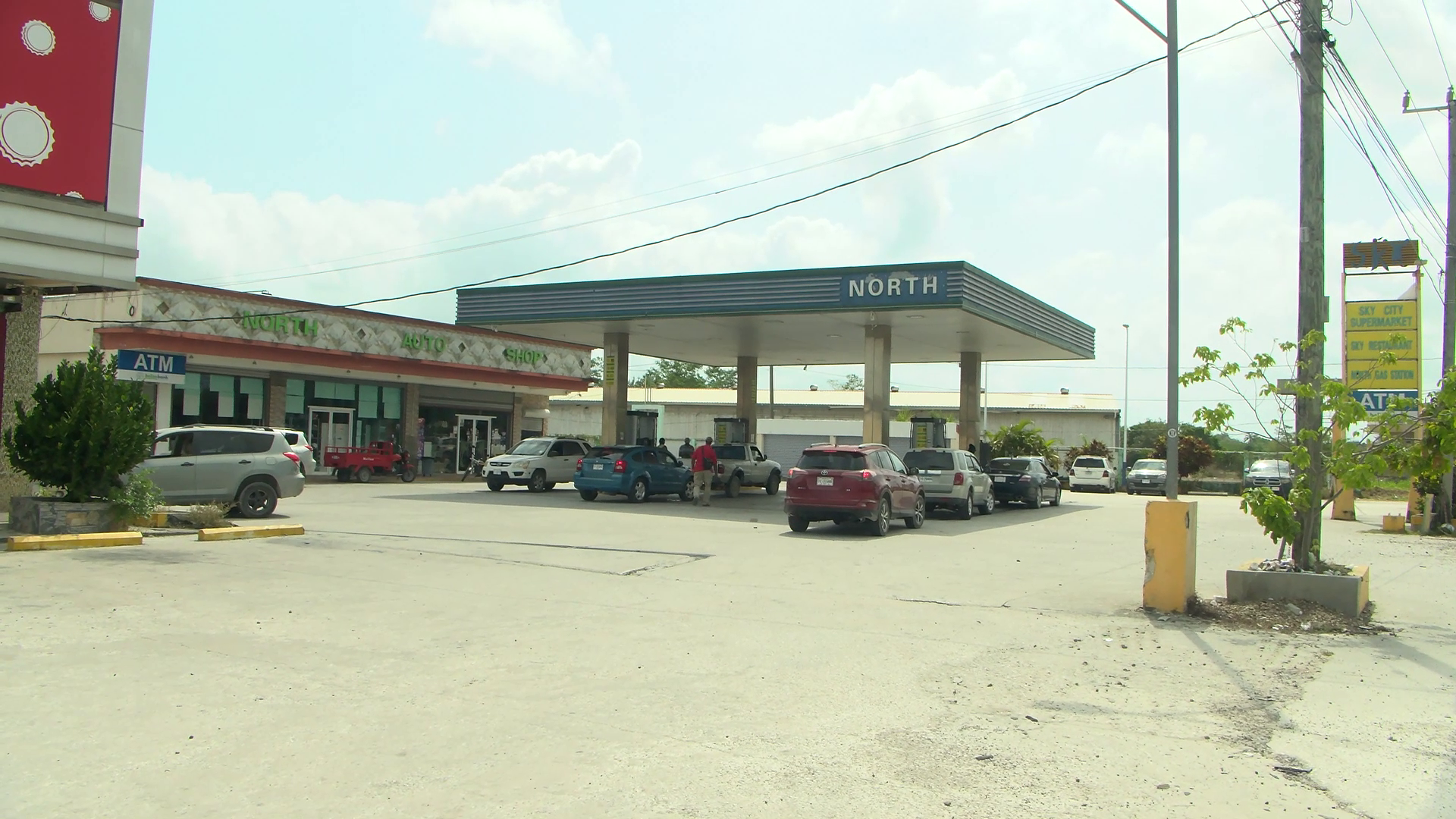
Against a backdrop of soaring global oil prices driven by international tensions, working households across Belize have faced repeated financial strain, with four successive fuel price hikes recorded at the pump since April 2026. While the ruling government has framed the price surges as an uncontrollable external pressure that leaves little room for domestic policy intervention, United Democratic Party (UDP) caretaker for Belize Rural Central Edward Broaster has rejected that stance, launching an independent local fuel relief program on May 8 that doubles as a public challenge to official policy.
Broaster’s initiative offers eligible voters in his constituency a $2 discount per gallon of fuel, capped at 10 gallons per voter — translating to a maximum total relief of $20 per person. Unlike many partisan political programs, the discount is open to all registered voters in Belize Rural Central regardless of party affiliation, a point explicitly emphasized by both Broaster’s team and participating residents.
The program was set to kick off at 8 a.m., but eager residents began lining up as early as 7:30 a.m. to access the relief, with even voters registered in Ladyville who currently reside in Belize City making the trip to claim the discount. When reporters arrived on site, Broaster confirmed that roughly two-thirds of the program’s allocated funds had already been disbursed, with processing moving quickly to serve the steady stream of arriving residents. Broaster noted that the initiative would wrap up immediately once all allocated funds were exhausted, but early feedback from participating residents had been overwhelmingly positive.
In a statement on site, Broaster framed the initiative as more than just short-term relief: he called out the government for imposing heavy tax burdens on working-class Belizean households while extending tax breaks to large million-dollar corporations, arguing that targeted government action could deliver far broader, lasting relief to citizens struggling with fuel costs.
Many participating residents echoed this sentiment, noting that even the one-day small-scale relief makes a meaningful difference for households already stretching tight budgets. Several residents pointed to compounding cost pressures: ongoing highway construction work increases fuel consumption for daily commutes, while unaddressed road maintenance adds extra vehicle repair costs that already strain household finances. While many acknowledged that global market forces do push base fuel costs higher, they universally called on the government to cut fuel taxes and reorder national spending priorities to ease the burden on working families. “Every penny counts,” one resident explained, noting that even a small reduction in prices would deliver significant relief for most households.
Alongside the fuel discount program, Broaster’s team also organized a complimentary Mother’s Day raffle for participating residents, with prizes ranging from large household appliances including 50-inch televisions, stoves and microwaves to small electronics, kitchenware and linens.
As of the end of the program’s first day, it remains unclear whether the Belizean government will respond to Broaster’s call and implement broader, nationwide fuel tax relief to address ongoing public pressure over rising prices.