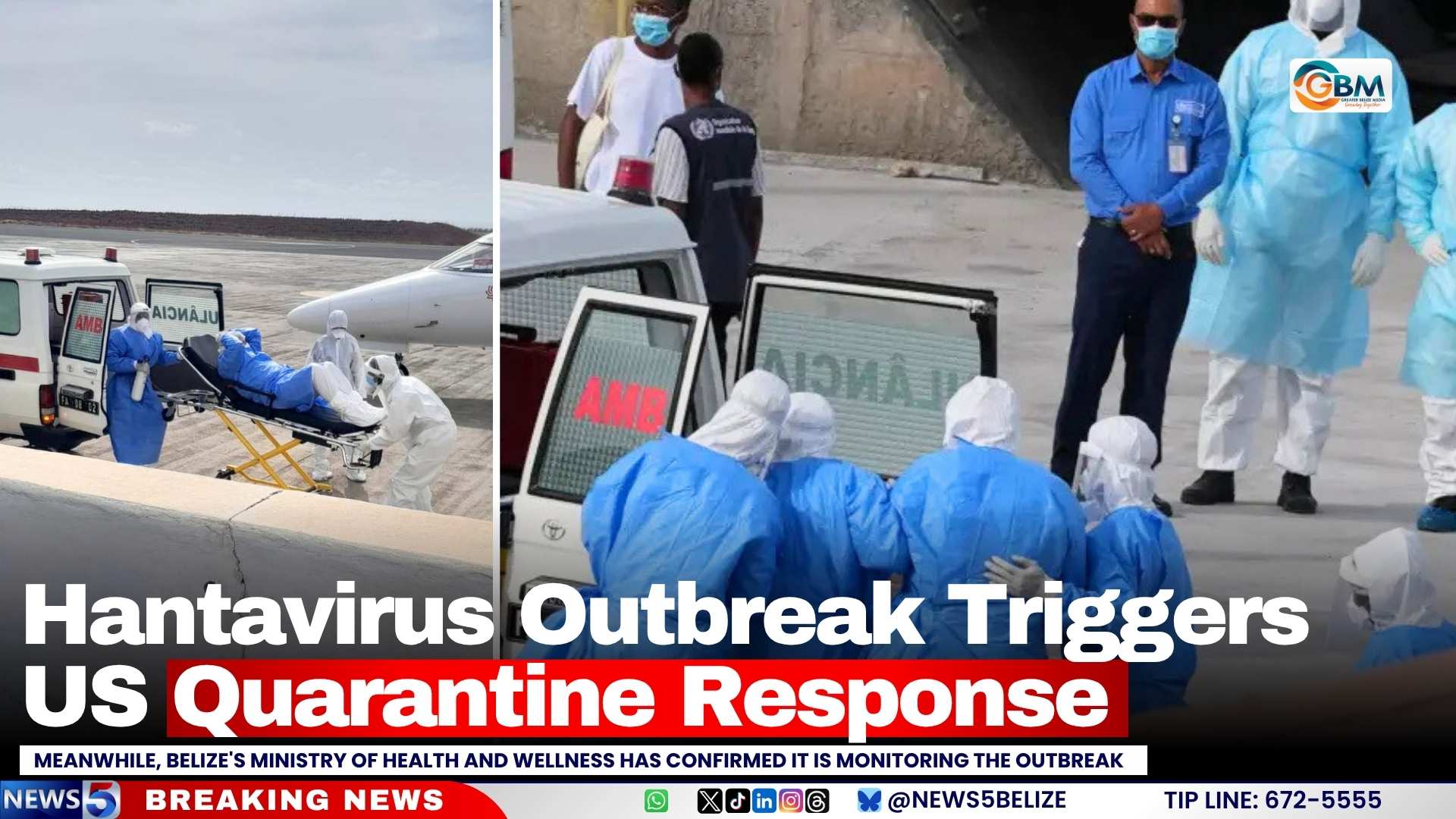
A deadly hantavirus outbreak aboard the cruise vessel MV Hondius has left three people dead and prompted an urgent international public health response, with more than 100 remaining passengers stranded on the ship as containment efforts ramp up. Global health agencies first activated emergency response protocols immediately after the initial case of the virus was confirmed, marking one of the first major hantavirus incidents linked to a commercial cruise ship in recent years.
As of the latest update, all U.S. citizens on the MV Hondius are set to be transferred to a specialized quarantine facility in Nebraska, the only federally funded unit of its kind in the United States. The cruise ship is currently on track to dock in the Canary Islands this coming Sunday, and the U.S. Centers for Disease Control and Prevention (CDC) has confirmed it is deploying a team of public health specialists to meet the vessel upon arrival to coordinate the transfer process.
The National Quarantine Unit, located in Nebraska and operated jointly by Nebraska Medicine and the University of Nebraska Medical Center, is purpose-built to manage outbreaks of highly dangerous communicable diseases. The facility features 20 private single-occupancy rooms, each equipped with standalone negative air pressure systems that prevent airborne pathogens from spreading outside isolation areas, a critical design feature for containing respiratory and aerosol-spread viruses.
In a public statement, the University of Nebraska confirmed that its response teams are fully staffed and prepared to accept passengers if needed, noting that existing protocols are in place to deliver safe care to affected individuals while protecting medical staff and the surrounding local community. Beyond the incoming passengers set for quarantine, public health departments across multiple U.S. states have already launched active monitoring programs for passengers who disembarked the MV Hondius earlier and have returned to their home communities, to catch any potential new cases early before further spread can occur.
The Nebraska facility has a proven track record of handling high-stakes outbreak response: it treated patients during the 2014 West African Ebola crisis, and accepted evacuated passengers from the COVID-19-stricken Diamond Princess cruise ship during the early days of the coronavirus pandemic in 2020.
International public health partners are also mobilizing to monitor the situation. Belize’s Ministry of Health and Wellness confirmed this week that it is tracking the outbreak closely and maintaining ongoing communication with the Caribbean Public Health Agency (CARPHA) as well as other regional and global health partners. The agency noted that for the moment, the risk of widespread hantavirus transmission remains low across the Caribbean region.
In a statement released Wednesday, CARPHA said it will continue supporting the Caribbean’s tourism sector by strengthening regional surveillance systems to detect and contain emerging outbreaks quickly, to keep both local residents and international visitors safe. Hantavirus, which is most commonly transmitted to humans from rodent excreta, can cause severe respiratory illness and has a mortality rate of roughly 38% for the most common pathogenic strain found in North America, making rapid containment a top priority for global health officials.