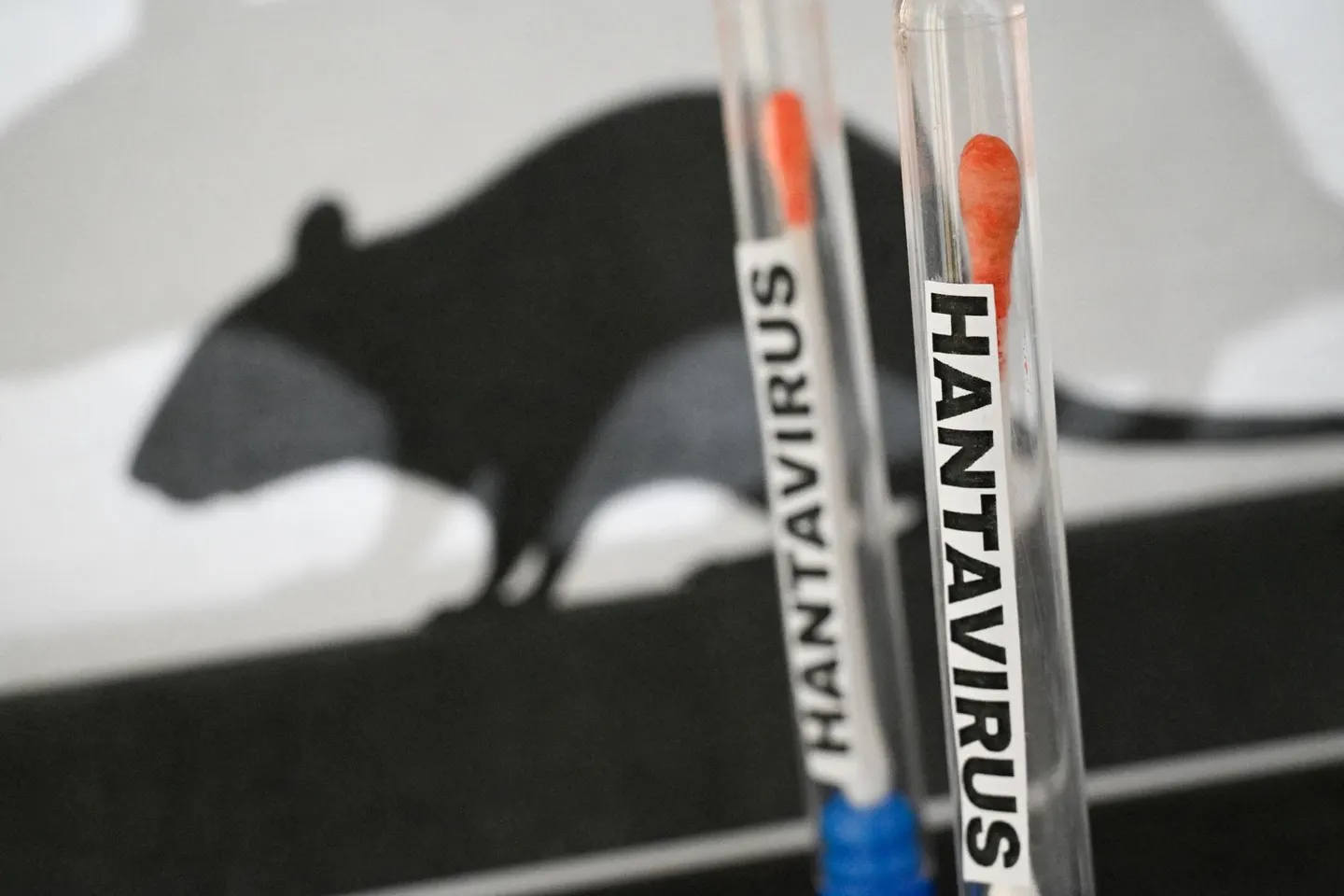
A fatal hantavirus outbreak on a cruise ship sailing through the Central Atlantic has triggered regional public health warnings, though top Caribbean health officials stress the overall infection risk for the area remains low.
As of the May 8 update, nine suspected cases have been documented on board the MV Hondius, resulting in three deaths. Five of those cases have been definitively confirmed as hantavirus, specifically the Andes strain – an uncommon variant that can spread between humans through close, extended close contact, a trait not shared by many other hantavirus types.
Hantaviruses are naturally hosted by rodent populations, with most human infections occurring when people come into contact with rodent urine, fecal matter, or saliva that carries the virus. The outbreak was formally reported to the World Health Organization via the United Kingdom’s International Health Regulations focal point, which then triggered coordination with regional Caribbean health bodies.
Dr. Lisa Indar, Executive Director of the Caribbean Public Health Agency (CARPHA), reiterated that the current threat of widespread hantavirus transmission across the Caribbean is minimal. Indar explained that in the Americas, hantaviruses are predominantly spread by wild field rodents, rather than common urban rat populations that are more frequently found in populated Caribbean coastal and port areas, where transmission to humans is far less likely.
Even with the low current risk, CARPHA is emphasizing the need for ongoing readiness, given the Caribbean’s position as the world’s busiest cruise tourism hub. The region welcomes roughly 44% of all global cruise ship traffic, with projected passenger arrivals set to hit 16.3 million by 2025, making continuous port and vessel surveillance a critical public health priority. The agency is urging all member states to review and reinforce existing vessel monitoring protocols and public health response plans, especially at major entry ports.
To support these efforts, CARPHA says it will continue to back safe tourism operations across the region through its established regional surveillance infrastructure. Two key systems in this network are the Tourism and Health Information System (THiS) and the Caribbean Vessel Surveillance System (CVSS), both purpose-built to track and flag public health threats tied to tourism and maritime travel.
Preliminary performance data for the CVSS shows it has already delivered strong results: the system has successfully flagged suspected infection cases before ships dock at Caribbean ports, with over 96% of cruise ship public health alerts shared with relevant member states within a 24-hour window. That rapid sharing allows port officials to prepare appropriate responses before a vessel arrives, reducing the risk of spread on land.
CARPHA confirmed it will maintain ongoing monitoring of the MV Hondius outbreak in close partnership with regional and global public health partners, and will issue new updates to member states and the public as new information becomes available.