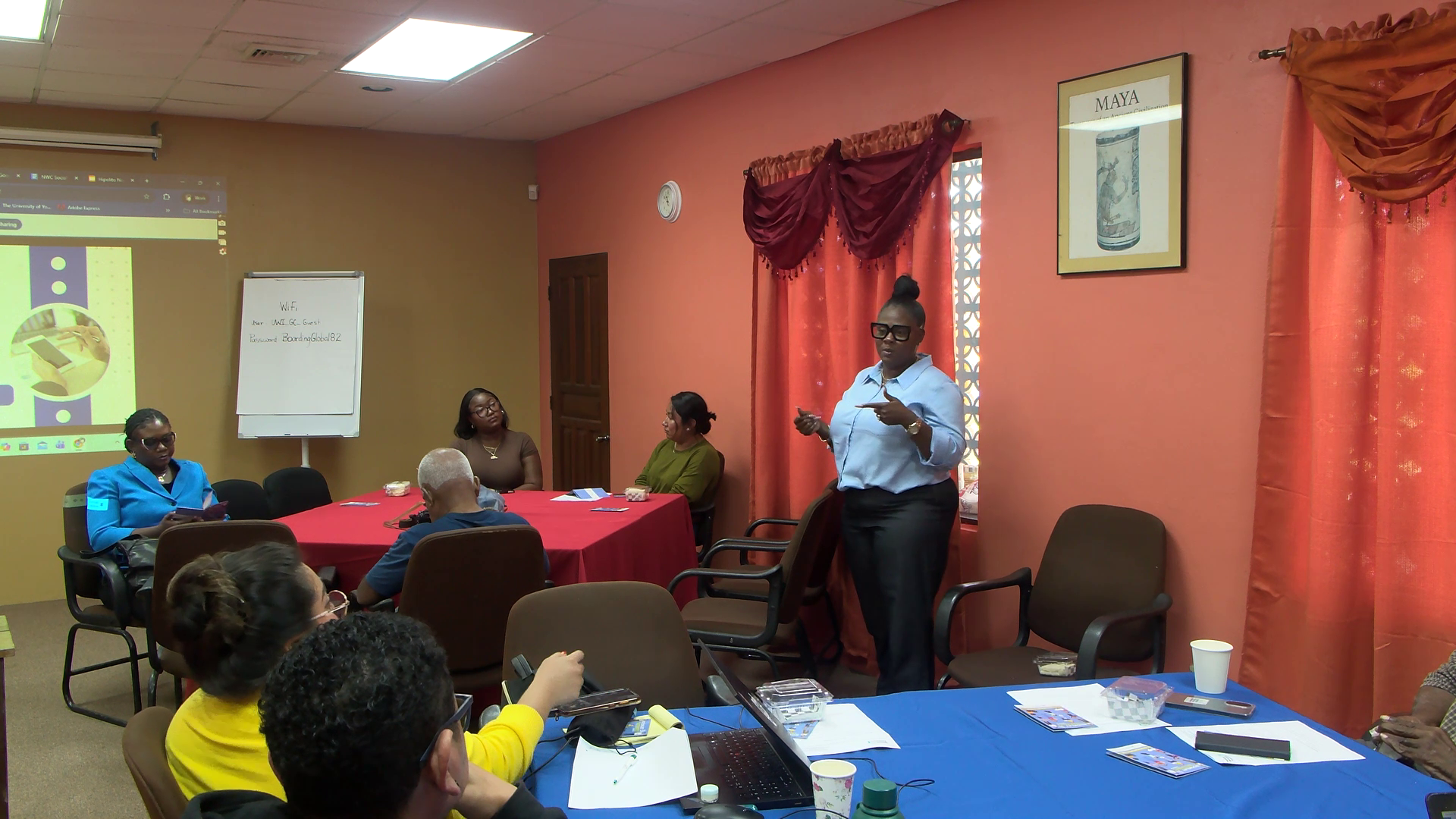
In an era defined by rapid social media expansion, where engagement-driven algorithms prioritize shocking, viral content over responsible publishing, child welfare advocates in Belize are sounding the alarm over the irreversible harm careless online sharing of children’s information inflicts on young people. Scheduled for May 6, 2026, a collaborative workshop led by the National Commission for Families and Children (NCFC) brought together media outlets, independent online news page operators, and social media content creators to address the growing crisis of unregulated sharing of minors’ personal data, images, and sensitive case details.
Shakira Sutherland, executive director of the NCFC, opened the workshop by outlining the core risk at hand: too often, outlets and unregulated independent content creators post unrestricted details of children’s lives—including their full names, ages, residential locations, and identifiable imagery—that have no place on public digital platforms. While traditional media outlets have historically collaborated with the NCFC to implement child protection safeguards, Sutherland emphasized that unregulated independent social media news pages, most commonly hosted on Facebook, have become the primary source of harmful content dissemination. These platforms frequently spread inaccurate information, publish identifiable footage of vulnerable children, and allow harmful viral comment threads to fester, creating damage that extends far beyond the initial post.
“This information can erode a child’s self-image, and cause long-term harm to their emotional, mental, and even physical well-being,” Sutherland explained. “That is why we are calling on every person that shares public content online to pause and think through the impact before hitting post.”
Ganesha Smith, acting director of Belize’s Community Rehabilitation Department, who works directly with youth that have encountered the justice system, expanded on these risks, highlighting the particularly damaging impact of sensationalized media coverage of children in conflict with the law or child abuse victims. Smith explained that sensationalized framing of youth incidents does more than embarrass minors—it locks them into a permanent public negative identity that is extremely difficult to escape. This persistent labeling often pushes vulnerable youth to fall deeper into harmful patterns of behavior, rather than supporting their rehabilitation.
Smith noted that derogatory commentary and repeated sharing of a minor’s case across platforms like Instagram, Facebook, and TikTok normalizes harmful narratives. Over time, these narratives become internalized by the youth themselves, leading to higher rates of repeat legal encounters and a regression away from positive behavioral change. She added that harmful, unfair narratives are pervasive regardless of whether a child is a victim of abuse or an offender in a criminal case: too often, coverage frames child abuse victims as responsible for their own harm, and youth offenders as inherently defiant, rather than acknowledging the complex systemic and personal factors that lead to these incidents. The workshop’s core goal, Smith said, is to shift this cultural narrative and change the content-sharing mindset that prioritizes viral engagement over child safety.
Crucially, the workshop’s message did not call for complete media silence on stories involving children. Instead, organizers emphasized that permanent digital footprints created by careless online publishing stay with children for decades, long after the general public has moved on from the original story. By encouraging intentional, child-first content decisions, advocates hope to reduce the long-term harm that unregulated online sharing inflicts on Belize’s most vulnerable young population.