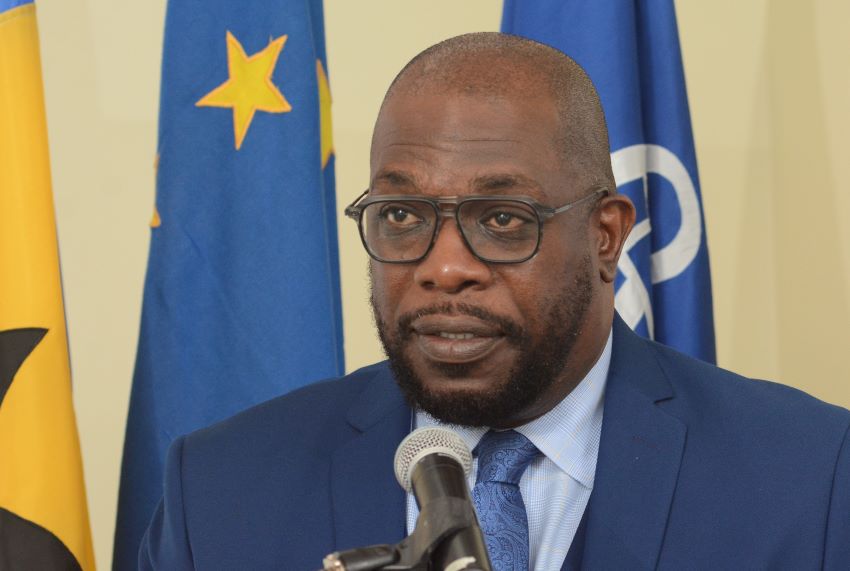
On the recent observation of World Press Freedom Day, the Mia Mottley-led administration of Barbados has announced a renewed commitment to advancing long-promised freedom of information (FOI) legislation, with outdated existing media regulations and the rapidly shifting global digital landscape cited as primary catalysts for long-overdue regulatory reform. Home Affairs and Information Minister Gregory Nicholls made the announcement in his official address marking the international observance, though he declined to share specific details on the bill’s proposed scope, regulatory parameters, or timeline for presentation to the country’s legislative body.
Across the English-speaking Caribbean, the development and adoption of national FOI frameworks has unfolded incrementally over the past 30 years, with only a small group of nations fully operationalizing full access-to-information regimes, while Barbados has remained stuck in the draft legislative stage for years. As of 2024, seven Caribbean Community (CARICOM) member states – Jamaica, Belize, Trinidad and Tobago, St Vincent and the Grenadines, Antigua and Barbuda, Guyana, and The Bahamas – have already codified FOI laws that grant citizens formal legal rights to access government-held records. Barbados, along with St Lucia and Grenada, have completed draft bills but have not advanced them to a final parliamentary vote.
In his address, Nicholls emphasized that the digital age has forced small open economies like Barbados to overhaul outdated regulatory frameworks governing data protection, freedom of information, and digital platform accountability. For small island developing states like Barbados, he argued, World Press Freedom Day is far more than a ceremonial tribute to traditional press freedoms. It is an opportunity to address the structural shifts reshaping modern media ecosystems, and to ensure that independent journalism can remain sustainable, independent, and centered on serving the public good in an increasingly converged media landscape where print, broadcast, and digital platforms operate as a single interconnected system.
“Safeguarding democratic resilience in small countries, where media ecosystems are tightly interconnected, is critical,” Nicholls noted. “Our journalists, politicians, and business leaders often operate in overlapping circles, and it is the converged media that amplifies both the reach and the risk. We appreciate that misinformation spreads faster, but so does vigilance and scrutiny. World Press Freedom Day reinforces the need for independent journalism to hold power accountable, even when social and economic pressures are intense.”
Nicholls acknowledged that small island states face unique barriers to navigating digital media transformation, most notably limited institutional and financial resources to upgrade local news infrastructure. “Media convergence requires investment in digital tools, cybersecurity, and multimedia storytelling. For smaller economies like Barbados, newsrooms often lack the financial and technical capacity to fully adapt. The day highlights global support mechanisms in training, funding, and partnerships that can help small markets remain viable and competitive,” he explained.
The minister also flagged the growing risk of cross-border misinformation as a critical threat to small states like Barbados, noting that border-agnostic digital platforms make these nations uniquely vulnerable to imported false narratives spanning political, economic, and climate-related topics. To counter this risk, he emphasized the urgent need for expanded media literacy initiatives and enforced strong editorial standards to preserve public trust in domestic media. Nicholls added that working journalists in small close-knit societies face amplified professional and personal pressures in the new digital ecosystem, requiring renewed commitments to protecting journalists’ safety both online and offline, as their roles expand far beyond traditional reporting.
Beyond domestic governance reforms, Nicholls highlighted that a strong independent domestic media sector also allows small-state voices to gain traction on the global stage, amplifying critical narratives around climate resilience, global financial system reform, and equitable sustainable development that are often sidelined by large international media conglomerates.
Regional media and good governance advocates have echoed the government’s call for reform, noting that while some CARICOM states have made significant progress in adopting FOI legislation, implementation across the region remains inconsistent. Widespread weaknesses in government record-keeping, limited digital publication of official public documents, and implicit political resistance to robust transparency measures often block meaningful public access to government information, even in states with active FOI regimes on the books.