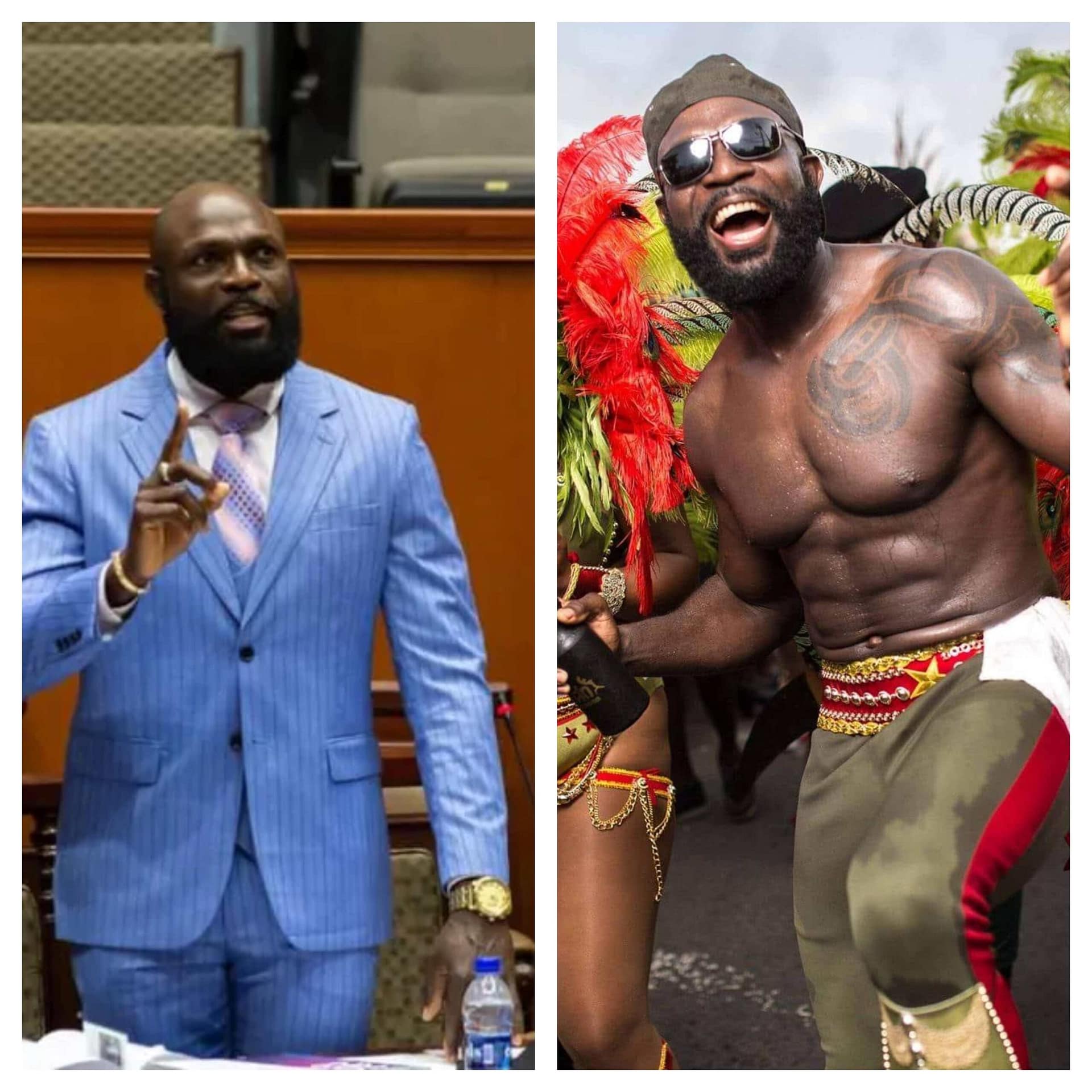
The 2026 general election in Antigua delivered a stunning upset in the St. Mary’s South constituency, where well-known incumbent Shugy lost his seat to senator Dwayne George — a result that has left many political observers, including former supporter Alex, shocked and searching for answers.
Looking back at Shugy’s recent political trajectory, his 2023 performance painted a far different picture of his electoral prospects. That year, Shugy made history in Antiguan politics by securing victory in two separate elections: a general election and a subsequent by-election. On both occasions, voters overwhelmingly rejected candidates from the Antigua and Barbuda Labour Party (ABLP) — Samantha Marshall and Dwayne George respectively — and threw their support behind Shugy as their preferred representative. Going into the 2026 contest, pre-election polling consistently showed Shugy holding a wide lead over his challenger, making his eventual defeat all the more unexpected.
George, for his part, had been widely dismissed by Shugy’s supporters in previous cycles, labeled with derogatory monikers ranging from “flip-flopper” to “Judas” and “betrayer” for his political shifts. Yet in 2026, the same electorate that once rejected George embraced him, a reversal that Alex compares to the biblical story of Barabbas, where a crowd chose to free a condemned rebel over Jesus. Alex argues that the turning of the tide against Shugy can be traced directly to missteps on the incumbent’s part that eroded voter trust over his term.
First, Alex points to a growing lack of focus on constituent needs as Shugy settled into his role as a sitting member of parliament. His increasingly abrasive and unprofessional behavior in office left many constituents disappointed, alienating the base that once supported him. A particularly damaging misstep was the public disrespect Shugy directed toward the prime minister during parliamentary proceedings, a breach of institutional decorum that went over poorly with voters who value respect and political civility.
Another key point of contention was Shugy’s frequent travel abroad during his term. While Shugy framed these trips as research missions to develop ideas for improving Antigua’s iconic carnival, Alex claims the trips were actually centered on personal leisure and partying in other countries. While Shugy was outside the country enjoying himself, challenger Dwayne George prioritized on-the-ground engagement, spending consistent time in St. Mary’s South addressing constituent concerns and managing local constituency business.
Over time, Alex argues, voters came to recognize that Shugy’s loyalty was focused on his own personal gain rather than the betterment of the constituency. Many of his campaign promises went unfulfilled, leaving voters feeling neglected and betrayed. This upset result, Alex notes, should serve as a critical wake-up call not just for Shugy, but for the entire opposition United Progressive Party (UPP).
Alex holds out hope that the defeat does not mark the end of Shugy’s political career, suggesting a future appointment as a senator could still be possible. But for that to happen, Shugy must take full responsibility for his loss — no external factors or other actors are to blame for the outcome. The core lesson from the 2026 result, Alex emphasizes, is that humility and respect remain foundational to successful political leadership, and service to one’s community must always come before personal interest.