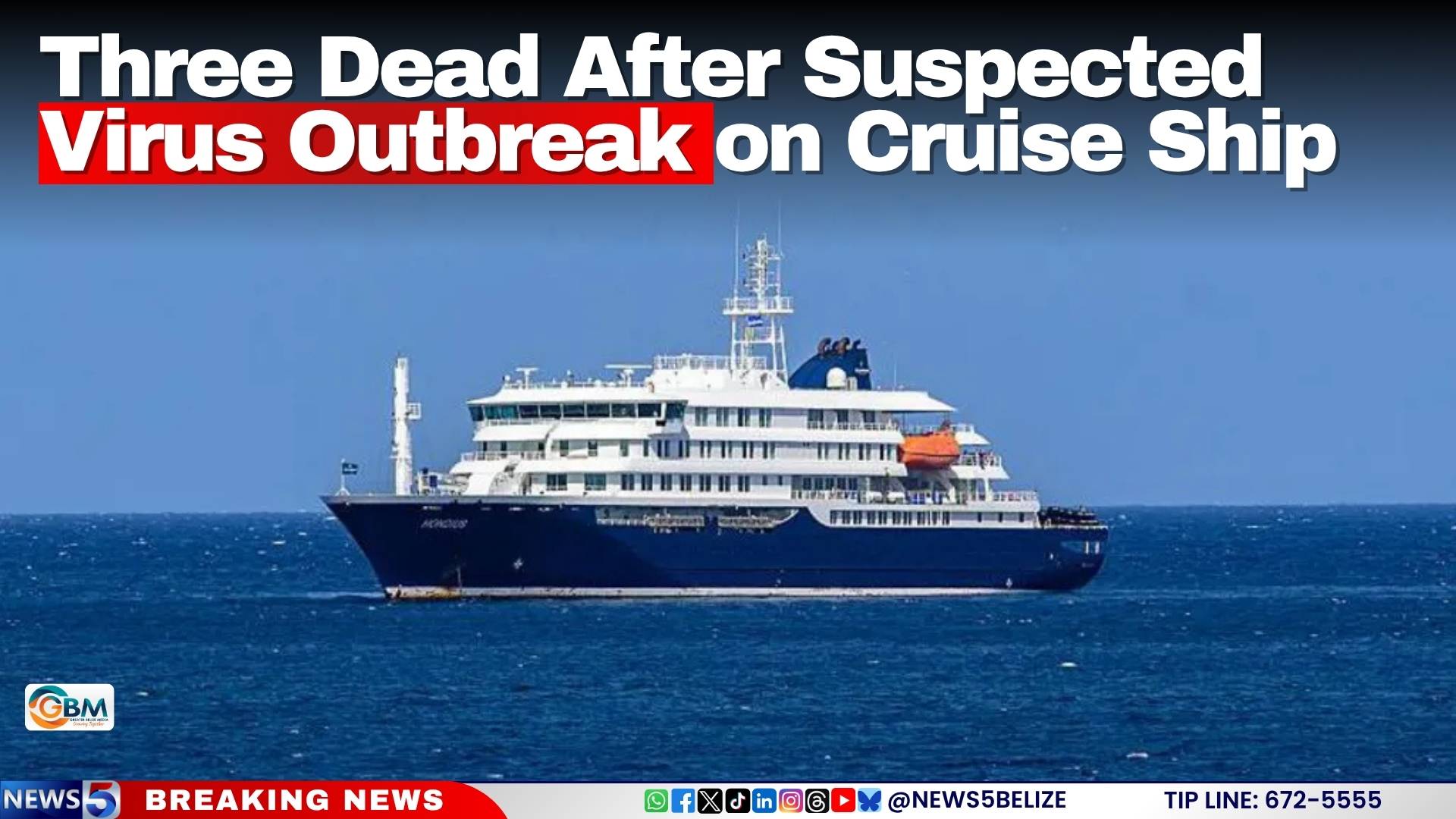
A suspected hantavirus outbreak on the cruise vessel MV Hondius operating in the Atlantic Ocean has resulted in three passenger fatalities and left one British national in critical condition, international health authorities and the vessel’s operator have confirmed.
Tour operator Oceanwide Expeditions, which manages the polar expedition cruise ship, confirmed the deceased include a Dutch couple and a single German passenger. Final official causes of death have not yet been released as laboratory investigations remain ongoing, leaving open questions about links between the deaths and the suspected outbreak.
The timeline of the incident stretches back more than a month: the first passenger first showed signs of illness on board and died on April 11, per the company’s official timeline. Due to the ship’s remote voyage route, his body was retained on the vessel until it docked at the South Atlantic territory of St. Helena on April 24, when it could be transferred to local authorities. The man’s wife disembarked alongside him at the port, but developed severe symptoms during her return travel and later died, with no formal confirmation yet that her death is connected to the on-board virus event.
The third fatality, the German national, was recorded on the Saturday preceding the official public announcement of the outbreak, with the cause still under active review by investigators. The situation escalated into a major public health concern on April 27, when the 69-year-old British passenger developed acute, life-threatening symptoms and required emergency medical evacuation to a specialized hospital in Johannesburg, South Africa. It was here that lab tests confirmed he had contracted hantavirus; as of the latest update, he remains in intensive care in critical but stable condition.
In addition to the confirmed and suspected passenger cases, two crew members on the MV Hondius—currently anchored off the coast of Cape Verde with 149 total people still on board—have reported respiratory symptoms matching hantavirus infection. One of the crew members is classified as having a mild case, while the other is considered severe, but neither has received a formal positive test for the virus to date.
Hantavirus, a rare pathogen most commonly carried by wild rodent populations, spreads to humans through direct contact with the urine, saliva, or feces of infected animals. While infection can lead to life-threatening respiratory failure, global health experts have repeatedly emphasized that person-to-person transmission is extremely rare, lowering the risk of large-scale community spread.
The World Health Organization (WHO) has mobilized an urgent response team to support local and national health authorities managing the incident. Dr. Hans Henri P. Kluge, WHO Regional Director for Europe, released a public statement aimed at quelling unnecessary public anxiety: ‘While hantavirus infections can be serious, they are uncommon and not easily spread between people. The risk to the wider public remains low. There is no need for panic or travel restrictions.’