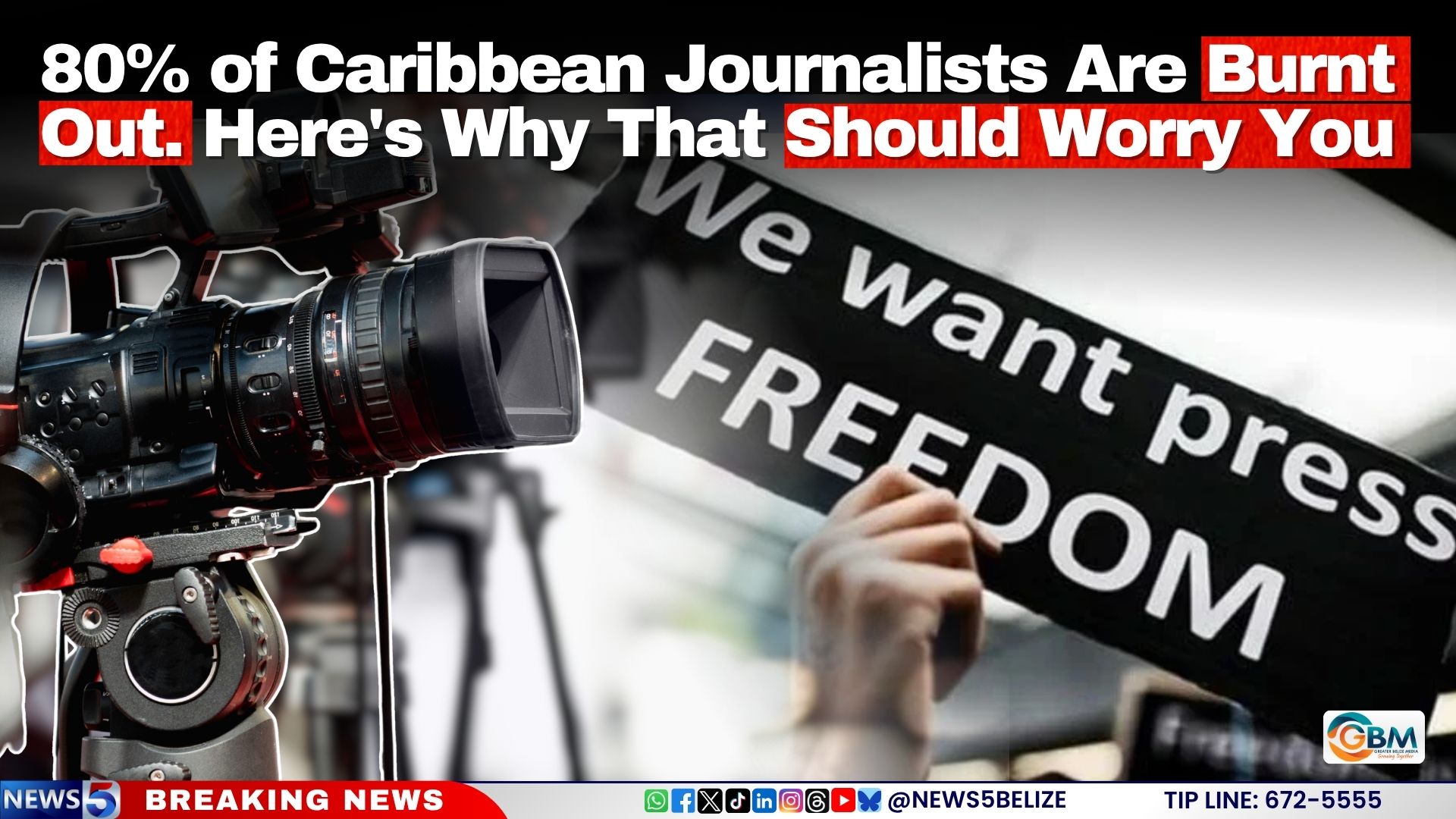
On World Press Freedom Day 2026, May 3, the Media Institute of the Caribbean (MIC) has issued a stark public warning about the cascading crises facing regional journalism, with four out of every five Caribbean journalists now reporting clinically significant professional burnout. The organization describes the current state of Caribbean media as a “perfect storm of overlapping negative challenges” that threatens not just newsrooms, but the foundation of democratic accountability across the region. One of the most damaging structural pressures is the massive outflow of digital advertising revenue from local media outlets to global tech giants Meta and Google. MIC data shows that between 15% and 25% of all digital advertising spending in the Caribbean now flows to the two U.S.-based platforms, rather than supporting local news organizations that produce context-specific, community-focused reporting. Beyond the revenue collapse, working conditions for journalists have deteriorated sharply. More than 80% of respondents to MIC’s research reported persistent burnout, with the vast majority lacking access to formal mental health support or workplace well-being resources. Many journalists also face ongoing targeted threats including personal harassment, legal intimidation designed to silence critical reporting, and growing state and private surveillance of their work and personal communications. The rise of generative artificial intelligence has added a new layer of systemic risk to the regional media ecosystem, building on pressures that date back years. A 2023 MIC analysis documented multiple harmful uses of AI across the Caribbean: AI-generated deepfakes deployed to disrupt regional electoral processes, coordinated disinformation campaigns that erode public trust in public health guidance, and synthetic content intentionally crafted to exploit and widen ethnic and religious divisions within local communities. MIC officials warn that this combination of financial instability, harmful working conditions, and disinformation threats has already weakened the ability of regional journalism to act as a core democratic watchdog, holding governments and powerful private actors accountable to the public. Against this backdrop, the organization emphasizes that media literacy is no longer a niche educational skill, but an essential piece of foundational democratic infrastructure that all communities need to navigate modern information environments. To address these interconnected crises, MIC has outlined a three-pronged policy call for regional stakeholders. The organization is urging Caribbean national governments to implement targeted taxation on digital advertising revenue earned by global tech giants, creating a potential revenue stream to support local public and private media. It is also calling on independent regulators to conduct mandatory audits of big tech algorithms to identify and correct bias that disadvantages local news content in user feeds. Finally, MIC is pushing for education systems across the region to embed media literacy training into formal curricula starting in primary school, building long-term public capacity to identify disinformation and evaluate news sources. In closing, MIC reaffirmed that sustainable, independent media, widespread public media literacy, and protected press freedom are non-negotiable prerequisites for building peaceful, equitable democratic futures across all Caribbean nations.