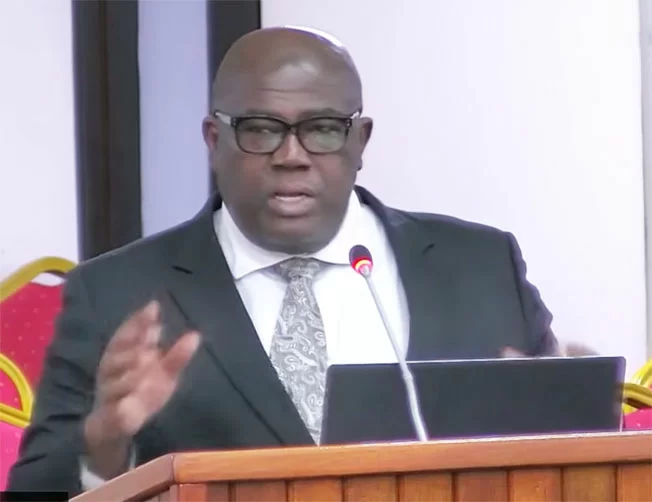
Fresh tensions between air traffic controllers and national aviation authorities have taken center stage in Suriname’s parliament, with Transport, Communication and Tourism (TCT) Minister Raymond Landveld delivering a comprehensive address to the National Assembly detailing the root causes of the unrest, progress made to resolve outstanding grievances, and long-term structural reforms planned for the aviation sector.
According to Landveld, the core of the current conflict stems from long-running disputes over pay scales, working conditions and systemic bottlenecks that have plagued the Suriname Civil Aviation Service for decades. Air traffic controllers argue their compensation is disproportionate to the extreme responsibilities they hold and the rigorous international standards their role demands, especially when compared to other technical departments within the organization. Controllers have highlighted that their position requires mandatory recurring professional training, regular mandatory medical certifications, and carries direct, high-stakes accountability for the safety of thousands of passengers and all national air traffic – burdens they say are not reflected in their current pay.
Minister Landveld confirmed that several immediate demands from air traffic controllers have already been addressed. Backlogged overtime pay, totaling more than 1 million Surinamese dollars (SRD), has been fully disbursed to affected staff. Funding has also been secured to cover the cost of mandatory medical examinations required for controllers to maintain their operating licenses. Looking to address gaps in workforce development, the ministry is also drafting new regulatory provisions to double the monthly stipend for air traffic control trainees, raising it from the current SRD 5,000 to SRD 10,000 to attract new talent to the field.
Initial negotiations saw controllers submit a demand for a 100 percent base pay increase, but Landveld noted that this position has been refined in recent talks. The trade union representing controllers now prioritizes correcting inequitable pay structures across the aviation service rather than enforcing a blanket doubling of wages. In response, the Surinamese government has opened a formal negotiation window bringing together the ministry, the union, and the national negotiating body to work toward a mutually acceptable agreement. Initial follow-up talks are scheduled for May 6, with stakeholders expected to outline feasible adjustments to pay and working conditions within a 2-3 week timeline.
To resolve deep-seated systemic issues, Landveld announced that the government is evaluating a full corporatization of the Suriname Civil Aviation Service. Restructuring the agency into an independent statutory body would allow for collective bargaining agreements to set working conditions across all aviation roles, not just for air traffic controllers, creating a fairer, more transparent framework for employment negotiations. The minister emphasized that many of the current challenges are the result of 50+ years of delayed policy reform in the sector, adding the current administration is prioritizing sustainable, long-term solutions including expanded training for new personnel, operational collaboration with the Ministry of Defense, and targeted capacity building support from the International Civil Aviation Organization (ICAO).
In parallel to labor reforms, the government is advancing infrastructure upgrades to improve aviation safety and capacity at Suriname’s primary gateway, Johan Adolf Pengel International Airport. In partnership with national telecom provider Telesur, a new communications mast has already been installed to support air traffic management operations. The national SURSAFE aviation safety improvement project is also ongoing, with a mandate to upgrade security protocols and modernize core infrastructure across the sector.
Landveld acknowledged that the recent industrial action by air traffic controllers caused widespread disruption to travel and economic activity across the country, stressing that preventing future disruptions is a top government priority. Going forward, he said, the government will implement mandatory early consultation processes to address emerging grievances before they escalate into industrial action, ensuring that travelers and the Surinamese public are not caught off guard by future service disruptions.