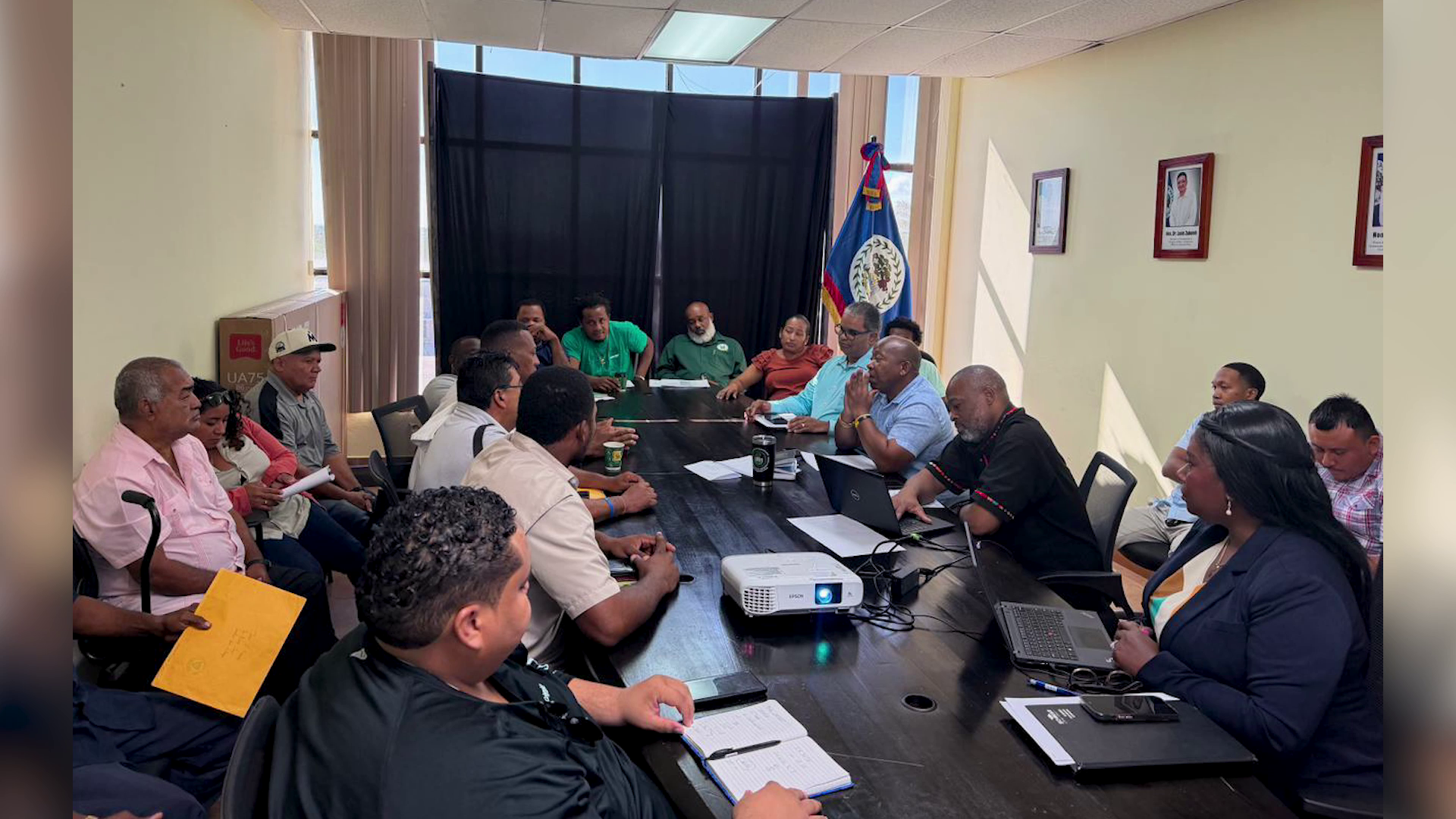
After three days of tense, high-stakes negotiations that left Belizean commuters staring down a potential full suspension of bus services, the government of Belize and the Belize Bus Association (BBA) have finalized a last-minute compromise that will keep public transit running across the country starting next week. The deal, announced late last week, combines a small, tiered increase in passenger fares with a temporary three-month diesel subsidy funded by general taxpayers, designed to ease the financial pressure on bus operators that pushed the industry to the brink of a work stoppage. Talks stretched into closed-door sessions after operators warned they could no longer absorb soaring global diesel costs without either raising fares dramatically or halting service, which would have left thousands of daily commuters without access to work, school, and essential services.
In an interview following the signing of the agreement, Minister of Transport Dr. Louis Zabaneh laid out the details of the compromise that pulled both sides back from a deadlock. Under the terms of the deal, the government will calculate subsidy payments based on the actual daily mileage each authorized bus operator covers, providing $3 per gallon in fuel cost offsets to keep operator expenses manageable. The agreement also includes minor adjustments to inter-municipal and village route stops, work that had already been completed in advance of negotiations, speeding up the finalization of the deal. Starting Monday, May 4, passengers will see fare increases of 50 cents for short trips between nearby stops, and up to $1 for longer cross-country commutes. This temporary pricing structure will remain in place for three months, while government and industry leaders monitor shifting fuel markets. The subsidy will cover any additional fuel costs beyond what the modest fare hike offsets, preventing passengers from shouldering the full burden of current high fuel prices.
BBA President Philip Jones emphasized that the compromise represents a balanced outcome that prioritizes commuter well-being amid ongoing industry financial strain. After days of informal protests and minor service disruptions that put public pressure on both sides to reach a deal, Jones noted that operators pushed aggressively to cap fare increases at $1 even as they faced unsustainable costs. “The ultimate goal for both the Department of Transport and bus operators across the country was to keep the burden on daily riders as small as possible,” Jones explained. “This deal ensures that commuters don’t have to absorb the full impact of volatile fuel prices right now, and the three-month window gives both sides time to assess the market and plan for long-term adjustments.”
When pressed about the commitments both sides have made to improve public transit quality, in exchange for the taxpayer support and approved fare increase, both leaders outlined next steps for service upgrades. Dr. Zabaneh confirmed that the agreement reminds all operators of their existing obligations under their road service permits to maintain consistent, reliable service. He also noted that discussions were held about the government’s long-term plan to modernize Belize’s public transit sector, including a proposal for a voluntary public-private partnership National Bus Company that operators have opted not to join, with the government agreeing to support the current structure based on that choice. Further talks on village route service improvements are scheduled for mid-next month.
Jones echoed that service improvement has been the association’s top priority throughout the negotiation process. The three-month subsidy is framed as a critical financial lifeline that will allow operators to invest in minor upgrades and stabilize routes without cutting service or raising prices beyond the agreed cap. “All operators across the country are on board to deliver higher quality, more consistent service for passengers as part of this deal,” Jones said.
As the new fare structure and subsidy program are set to launch in the coming days, questions remain about whether the temporary compromise will deliver the relief both sides have promised. Commuters will immediately face higher out-of-pocket costs for travel, while taxpayers will cover the cost of the subsidy, but leaders on both sides say the deal avoids the far more disruptive outcome of a full service shutdown, and buys critical time to address long-term cost pressures in Belize’s public transit sector.