KINGSTON, Jamaica — A fiery parliamentary dispute has erupted in Jamaica following an extraordinary incident during a debate on critical hurricane recovery legislation, with the ruling Jamaica Labour Party (JLP) issuing a harsh rebuke of opposition Member of Parliament Angela Brown Burke. The controversy stems from Brown Burke’s physical contact with the ceremonial mace during a Committee of the Whole House sitting convened to review clauses of the National Reconstruction and Resilience Authority (NaRRA) Bill.
In an official press statement released Wednesday, the JLP emphasized that interfering with the mace during parliamentary proceedings constitutes a flagrant violation of the legislature’s Standing Orders, qualifying as overt disorderly conduct. Across all Commonwealth parliamentary systems, the JLP noted, the act of touching or tampering with the ceremonial mace during an official committee sitting is recognized as a severe breach of parliamentary privilege and long-standing procedural etiquette. Standard protocol for such a violation, the party added, typically warrants immediate suspension, expulsion from the parliamentary chamber, and potential further disciplinary action.
The ceremonial mace, the JLP explained, stands as a tangible symbol of the inherent authority of the Speaker of the House and the Jamaican Parliament as a whole. Any deliberate interference with the object is therefore legally and procedurally classified as contempt of Parliament, a serious charge against any sitting legislator.
The controversy does not end with the mace incident, according to the ruling party. After Speaker Juliet Holness named Brown Burke for her conduct and issued an order suspending her for the remainder of the sitting, the MP initially refused to comply with the directive to leave the chamber. This act of defiance, the JLP confirmed, represents a second distinct breach of parliamentary Standing Orders.
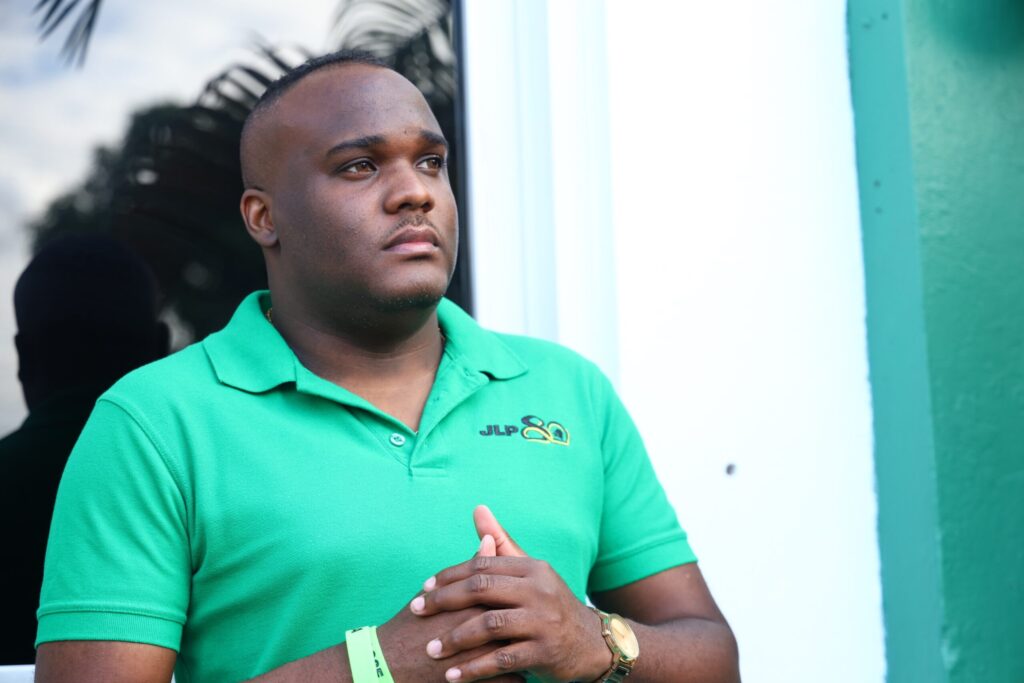
Senator Abka Fitz-Henley, JLP Communication Chairman, framed the incident as an unacceptable attack on the integrity of parliamentary business. “MP Brown Burke’s conduct in disrupting the sitting of the House of Representatives is unacceptable and a disgrace,” Fitz-Henley said in the statement. “Her action was a clear attempt to disrupt the business of the Parliament, which was in the process of treating with a Bill, which is crucial to assist Jamaicans to recover from the devastating impact of Hurricane Melissa.”
Fitz-Henley also extended criticism to Brown Burke’s colleagues in the opposition People’s National Party (PNP), accusing the party of enabling the disorder. When the order to expel Brown Burke was issued, PNP MPs stood between the opposition legislator and parliamentary officials to block her departure from the chamber. The ruling party spokesman called this collective action proof that the PNP cannot be trusted to conduct the nation’s public business in a responsible, appropriate manner. He also took aim at PNP leader and opposition chief Mark Golding, arguing that Golding’s failure to immediately intervene to force Brown Burke to comply with procedural rules was entirely consistent with the party’s pattern of poor conduct.
The incident capped off a chaotic late-night session at Jamaica’s Gordon House, the seat of the country’s parliament, deepening partisan tensions ahead of further consideration of the NaRRA Bill.