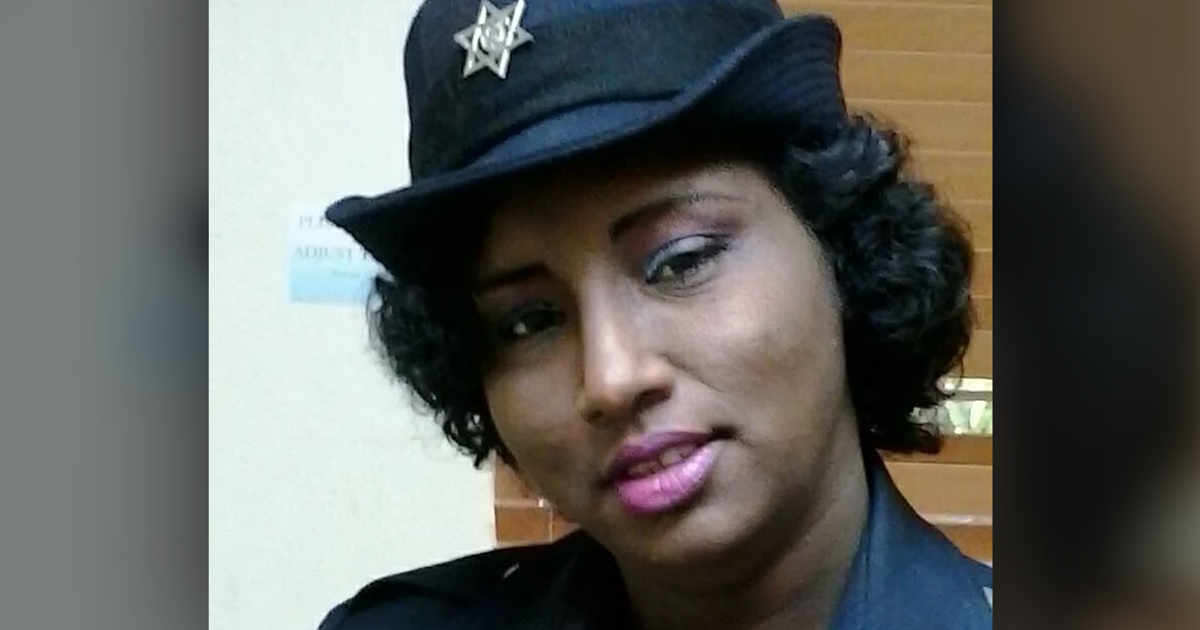
A high-profile murder case of a serving municipal police officer took another dramatic turn on Tuesday, as three men already charged with killing corporal Anuska Eversley appeared in court to face a raft of new offenses tied to one of the largest illegal firearms caches uncovered in recent memory. All three suspects were denied bail and remanded into custody following the hearing, held before Master Delicia Bethelmy.
The three accused—28-year-old municipal police officer Jivan “Bigs” Cooper, 20-year-old construction worker Kwame Arnold, and 24-year-old scrap iron dealer Nicholas “Nico” Ramdass, all residents of Claxton Bay—had the charges, formally laid by ASP Maharaj, read aloud in court. The allegations stem from the April 19 killing of Eversley, whose body was discovered inside the Municipal Police Station at King’s Wharf, San Fernando. A post-mortem examination confirmed she died after being strangled and beaten, and her funeral service was held on the same day as the court appearance.
Beyond the murder charge, the trio is also accused of robbing Eversley of her government-issued service weapons and ammunition, and committing acts of violence against the officer during the fatal attack. The new firearms charges reveal a far larger stockpile of illegal weapons than law enforcement had previously disclosed publicly: 114 pistols, one revolver, six shotguns, two MPX submachine guns, and 173 firearm magazines intended for trafficking, along with a total of 4,395 rounds of assorted ammunition—4,355 9mm rounds, 30 12-gauge shells, and ten .38 caliber rounds. Prior to this court hearing, official police updates to the media had only acknowledged the recovery of 60 weapons and 1,532 rounds of ammunition, marking the first time the full scope of the seized cache has been confirmed.
None of the accused were required to enter pleas at this stage of the proceedings. Cooper is represented by defense attorney Keith Beckles, while duty counsel Krysan Rambert appeared for Arnold and attorney Perusha Lord represented Ramdass. Both Arnold and Ramdass announced following the hearing that they plan to retain private legal counsel going forward.
Beckles raised a series of critical procedural concerns during the hearing, centered heavily on widespread pre-trial publicity across social media platforms. He told the court that his client’s driver’s permit was widely circulated online before formal charges were even filed, and Cooper had already been named and sensationalized as the primary suspect in the case. Beckles argued that this pervasive, misleading coverage could taint the jury pool and create irreversible bias against his client. He also questioned significant delays in the submission of the full case file to the Office of the Director of Public Prosecutions, and raised objections to a further detention order issued against Cooper after an initial temporary detention order expired during his pre-trial custody.
Responding to the defense’s concerns, police prosecutor Reagan Ramanan explained that the July 24 target date for file submission is necessary due to the extraordinary complexity and size of the case. The case file currently includes hundreds of witness statements, physical evidence exhibits, crime scene photographs, video footage, interview transcripts, and a full report from the Cyber Crime Unit, with additional statements still pending. Ramanan also clarified that neither he nor ASP Maharaj had prior knowledge of the additional detention order issued under the Emergency Powers Regulations, as such orders are issued directly by the Minister of Homeland Security.
Master Bethelmy issued a formal scheduling order outlining next steps for both the prosecution and defense, and ruled that the three accused would reappear for a further hearing on October 15. The court also advised the defendants that they may submit written applications for bail ahead of that date.
In the wake of Eversley’s killing, Commissioner of Police Allister Guevarro submitted a formal recommendation to Minister of Rural Development and Local Government Khadijah Ameen, calling for a new policy requiring all municipal officers’ firearms to be stored for safekeeping at central police stations before being issued for duty. Ameen subsequently issued a directive ordering all chief executive officers of city, borough, and regional corporations to comply with the new protocol.