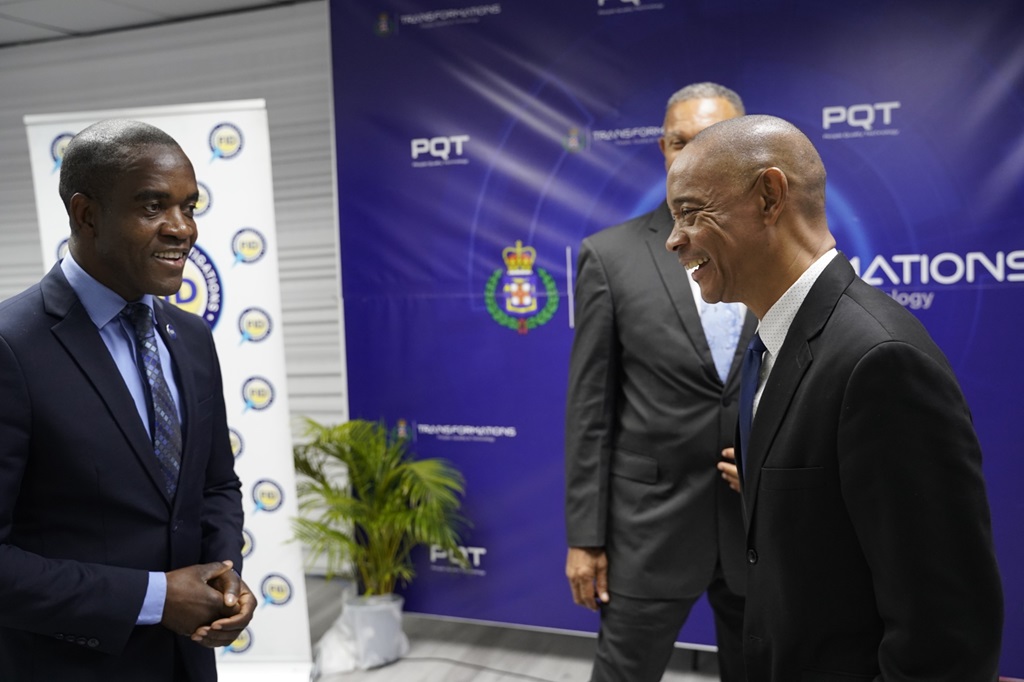
In a landmark step to modernize anti-crime strategy in Jamaica, the Financial Investigations Division (FID) and the Jamaica Constabulary Force (JCF) have formalized a groundbreaking partnership that repurposes lawfully seized criminal assets to boost national law enforcement operations.
The memorandum of understanding, signed during an official ceremony on Wednesday, April 22, 2026, grants the JCF controlled access to seized assets valued at approximately 174 million Jamaican dollars, earmarked to cover operational costs and specialized training programs for officers, the two agencies confirmed in an official joint press release.
This new arrangement is not an ad-hoc arrangement, but a core component of a deliberate national policy designed to change how Jamaica handles illicit proceeds. Instead of just removing criminally derived assets from illegal circulation, the framework actively redirects these resources to reinforce the state’s ability to deliver public security and uphold justice for all citizens.
The initiative forms the centerpiece of a broader national asset recovery strategy led by the FID, developed in close coordination with local government bodies and international law enforcement partners. The overarching goal of this effort is to disrupt and dismantle the financial foundations that allow transnational and local organized criminal networks to operate. By systematically identifying, freezing, and repurposing illicit wealth, the Jamaican government is sending an unambiguous message: illegal activity will never deliver long-term profit for perpetrators.
Speaking at the official signing ceremony, Dennis Chung, Chief Technical Director of the FID, framed the agreement as a model for 21st-century law enforcement collaboration. “This is what modern crime-fighting collaboration looks like: focused, coordinated, and outcome-driven,” Chung explained. “Our work does not end when we wrap up a criminal investigation. We go a step further to ensure that proceeds of crime are fully recovered and put to work for the public good. When these assets are used productively, Jamaicans can see clear, measurable benefits of our work, and it reinforces the core principle that crime does not pay.”
JCF Commissioner Dr. Kevin Blake echoed this sentiment, emphasizing that the agreement delivers tangible, visible results for the Jamaican public. “It is important that Jamaicans can recognise the tangible outcomes of supporting law enforcement,” Blake said. “This arrangement strengthens our operational capacity while demonstrating that resources once tied to criminality are now being used in service of the public. It reflects a broader commitment to building safer communities and improving the overall quality of life for our people.”
Observers and government officials have highlighted the pact as a leading example of strengthened inter-agency cooperation, where frontline enforcement, intelligence gathering, and financial investigation work in tandem to deliver long-term, sustained improvements to public safety. The agreement also reinforces the Jamaican government’s broader strategic focus on dismantling criminal networks: rather than relying solely on traditional enforcement action, the state is now systematically stripping away the economic incentives that allow organized crime to persist and grow.