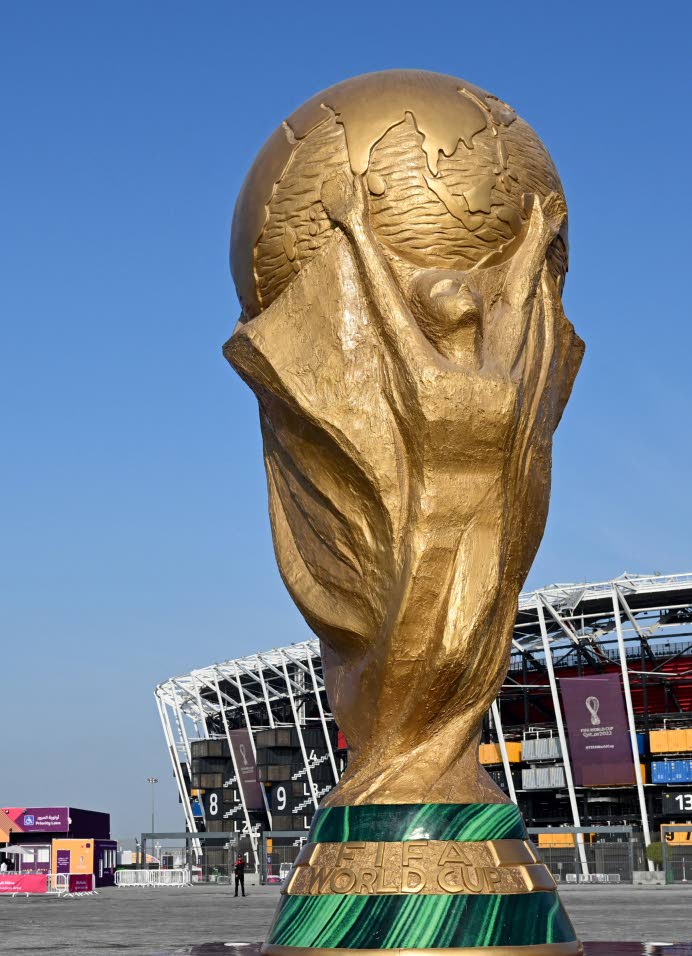
VANCOUVER, Canada – On the eve of FIFA’s annual Congress in Vancouver, global soccer’s governing body announced a landmark increase in total financial distributions for the 2026 FIFA World Cup, raising the total payout pot to nearly $900 million US dollars to address growing worries over ballooning participation costs for competing national teams. The adjustment, revealed Tuesday following a meeting of FIFA’s ruling council, pushes the total allocated funds from the initial $727 million announced last December to $871 million, marking one of the largest single revisions to World Cup participation payouts in the tournament’s modern history.
The substantial boost to the distribution pool comes after multiple FIFA member associations raised red flags over soaring operational expenses tied to the 2026 tournament, which is the first World Cup in history to be co-hosted by three North American nations: Mexico, Canada, and the United States. With matches spread across 16 cities spanning three countries, teams face far higher costs for cross-region travel, logistics, and on-the-ground operations compared to previous editions of the tournament, leading many associations to warn they could end up losing money even after receiving original participation payouts.
To directly ease these financial pressures, FIFA has adjusted multiple components of its distribution package. For all 48 qualified teams – a jump from 32 teams in prior tournaments that also expanded participation costs – preparation funding has been increased from $1.5 million to $2.5 million per side. The base payout for simply qualifying for the tournament has also been raised, from $9 million to $10 million per team. Beyond these direct cash adjustments, FIFA is also allocating additional funds to cover team delegation expenses and expanding the number of complimentary tickets allocated to each competing squad.
FIFA President Gianni Infantino framed the adjustment as a reflection of the organization’s unprecedented financial stability, noting in an official statement: “FIFA is proud to be in its most solid financial position ever, enabling us to help all our member associations in an unprecedented way. This is one more example of how FIFA’s resources are reinvested back into the game.”
The 2026 World Cup concludes FIFA’s current four-year competition cycle, which is projected to generate roughly $13 billion in total revenue for the governing body – a record high for any quadrennial cycle in soccer history. Last year, FIFA already announced that total prize money for the 2026 tournament would represent a 50% increase over the payouts distributed at the 2022 Qatar World Cup. The existing prize structure remains unchanged under the new announcement: the tournament champion will take home $50 million, the runner-up will receive $33 million, third place will earn $29 million, and fourth place will get $27 million.