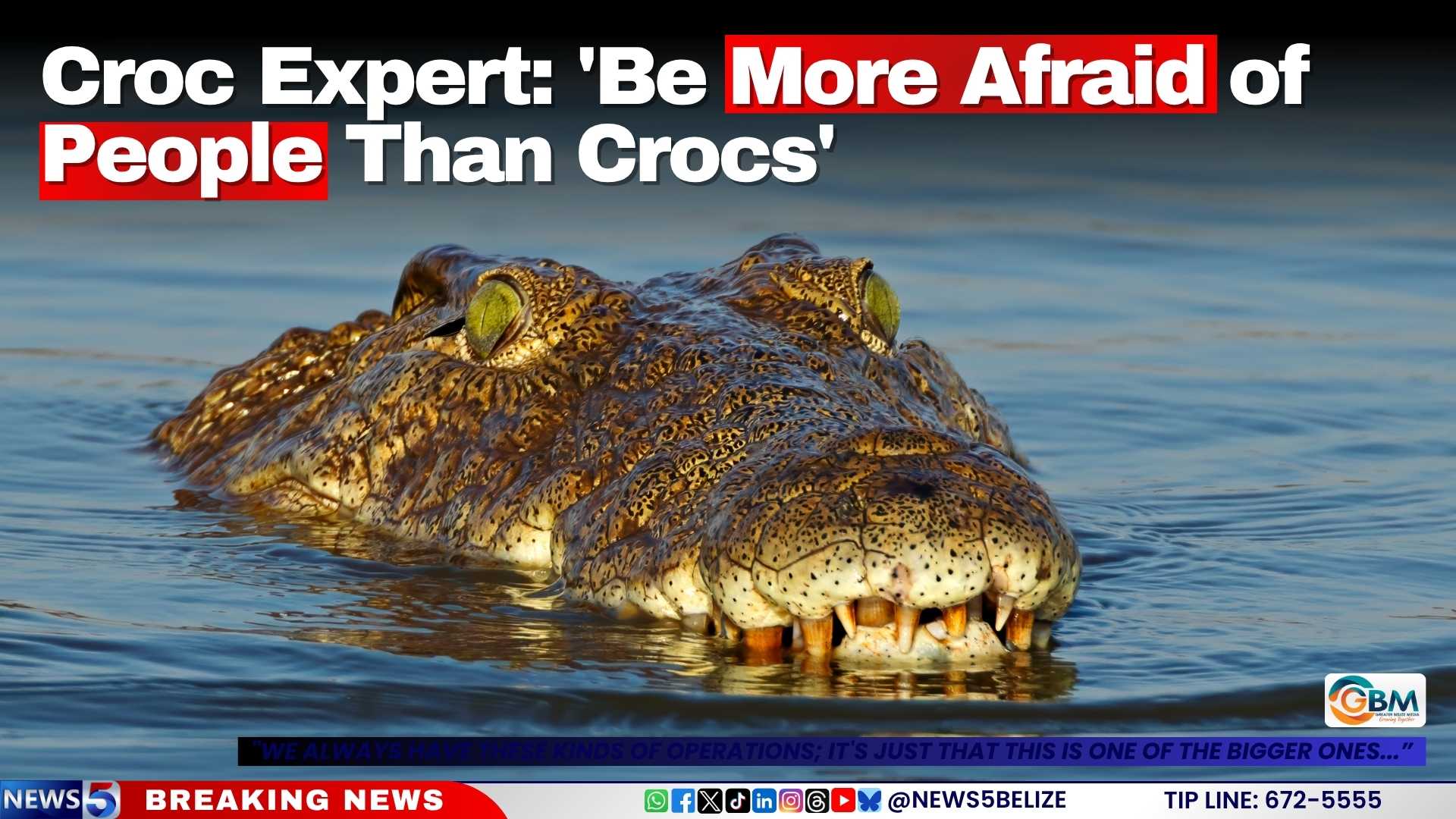
In the coastal nation of Belize, reports of crocodile attacks on humans have stirred widespread anxiety among locals and visitors alike, but a leading reptile researcher is pushing back against common misconceptions, arguing that the public should be far more wary of dangerous human activity than encounters with these ancient aquatic predators.
Marisa Tellez, a leading figure with the Crocodile Research Coalition, explains that while crocodile attacks are not unheard of in Belize’s coastal and lagoon ecosystems, such incidents are far rarer than popular perception would suggest. Even so, every reported encounter leaves a ripple of fear across coastal communities popular with both locals and tourists. Tellez notes that this instinctive fear is completely understandable, but says that education about crocodile behavior is the most effective tool for staying safe during an unexpected face-to-face meeting with one of the reptiles.
Contrary to many people’s automatic reaction to a crocodile sighting, Tellez says that panic is the most dangerous response a person can have when sharing the water with a crocodile. She points out that crocodiles are naturally stealthy ambush predators; if an animal intends to attack, it will not reveal its presence ahead of time. Her safety advice may sound counterintuitive to many: the best action is to swim slowly and calmly away from the area. Splashing wildly, a common reaction when people panic, actually draws crocodiles closer, because the chaotic movement signals that the splashing creature could be injured — an easy target for a hungry predator.
To put the risk of crocodile encounters in broader perspective, Tellez cites local incident data: the last recorded fatal or harmful crocodile encounter on the popular tourist island of Caye Caulker occurred more than three years ago. She then poses a provocative question to challenge public priorities: when was the last reported stabbing or murder in Belize? What should rational observers actually fear more: a human perpetrator of violence on the street, or the remote possibility of a crocodile attack in the water?
In blunt terms that cut through widespread public anxiety, Tellez summarizes her statistical argument: “Statistically, you should be more afraid of the two-legged crocodile on the street than the four-legged one in the lagoon.” Her remarks come as Belize’s coastal communities balance growing tourism, native wildlife conservation, and public safety, aiming to help residents and visitors make rational, informed risk assessments rather than giving in to unfounded fear.