After weeks of widespread supply disruptions that forced many Jamaican women to either pay steep out-of-pocket costs for prescription birth control or switch to alternative contraceptive methods that caused unwanted side effects, the injectable contraceptive shortage in Jamaica’s public health system has finally eased, according to on-the-ground reporting from the Jamaica Observer.
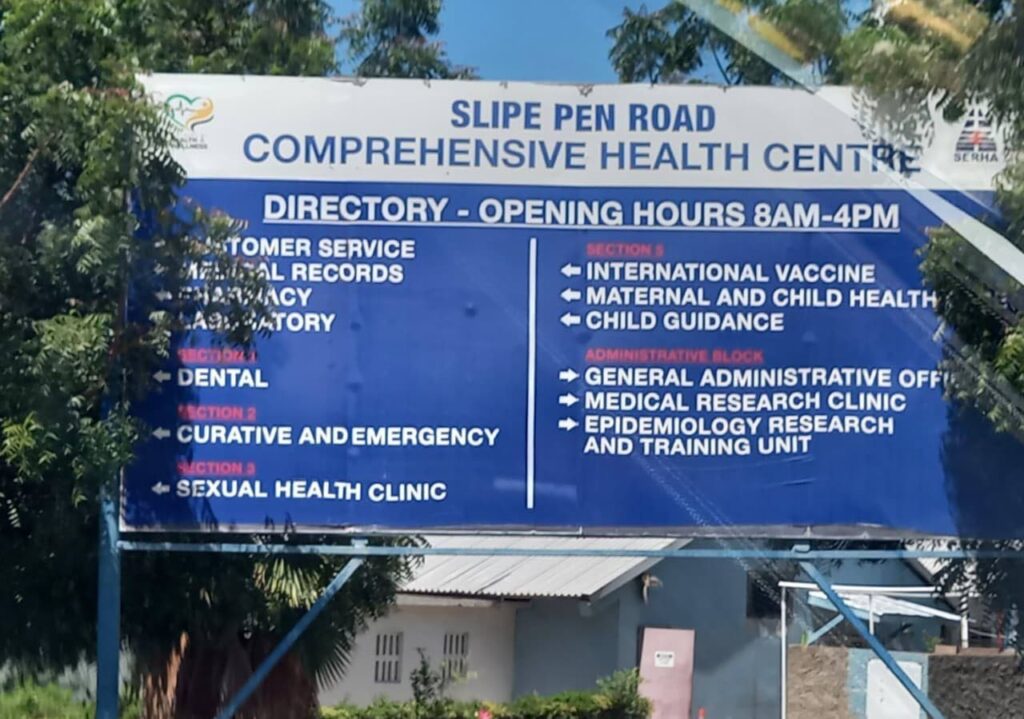
During checks conducted Friday at two major public health facilities in Kingston’s Corporate Area — Maxfield Park Health Centre and Slipe Pen Road Comprehensive Health Centre — journalists confirmed that the contraceptive injections are once again available to patients who rely on the public system for free or low-cost reproductive care.
One anonymous patient at Slipe Pen Road, who had been unable to access the injection during a prior visit, shared her experience with the Observer. She had been offered a choice between purchasing the contraceptive through a private pharmacy prescription or switching to oral birth control when stock ran out. Opting for the pill due to cost, she stopped using it after developing severe adverse side effects, and was relieved to finally receive her preferred injection during Friday’s visit. She added that women who chose to purchase the contraceptive privately reported paying roughly J$4,100 per dose — a major expense for many low-income households.
The patient also echoed widespread public speculation about the cause of the shortage, linking it to comments from Health Minister Christopher Tufton that framed Jamaica’s declining birth rate as a policy concern. “When people have children they are not getting good care in hospitals or proper food,” she noted, pointing to inadequate postnatal support for new mothers as evidence that policy pushes for higher birth rates are out of step with on-the-ground needs. Her 10-month-old child recently received inadequate food assistance through the country’s new mother support program, she added.
A second patient at the same facility confirmed she faced identical barriers to access last month. Unable to afford the private purchase option, she also switched to the pill, which caused unwanted side effects including increased appetite that led her to seek out the injectable form as soon as it became available again.
A senior public health nurse at Slipe Pen Road confirmed the supply disruption lasted throughout the month of March, triggered by unexpected delays in a routine national order. She confirmed that supplies have been replenished, and patients have been able to access their regular injections for the past two weeks.
At Maxfield Park Health Centre, multiple patients emphasized that financial need is the primary reason the vast majority of women seek contraceptive care through the public system rather than private markets. Teresa McKenzie, a mother who accessed the injection alongside her sister, explained that she relies on the public service because she is currently out of work, and her partner already struggles to cover basic household costs for their existing children. “Taking care of children is more manageable this way, when you can plan when you have another,” she said, noting that unplanned pregnancy would make covering food and school fees far more difficult for her family.
Dr. Julia Rowe-Porter, director of the Ministry of Health and Wellness’ Family Health Unit (FHU), clarified the root causes of the facility-level shortages in a statement. While the National Health Fund (NHF), which manages national stockpiles of public health supplies, has confirmed there is no national shortage at its central storage facility, recent changes to national order management protocols created gaps that left local clinics without stock for several weeks. Rowe-Porter confirmed that the FHU is currently working alongside the NHF and regional health authorities to resolve the systemic issues that led to the disruptions and prevent future stock-outs.