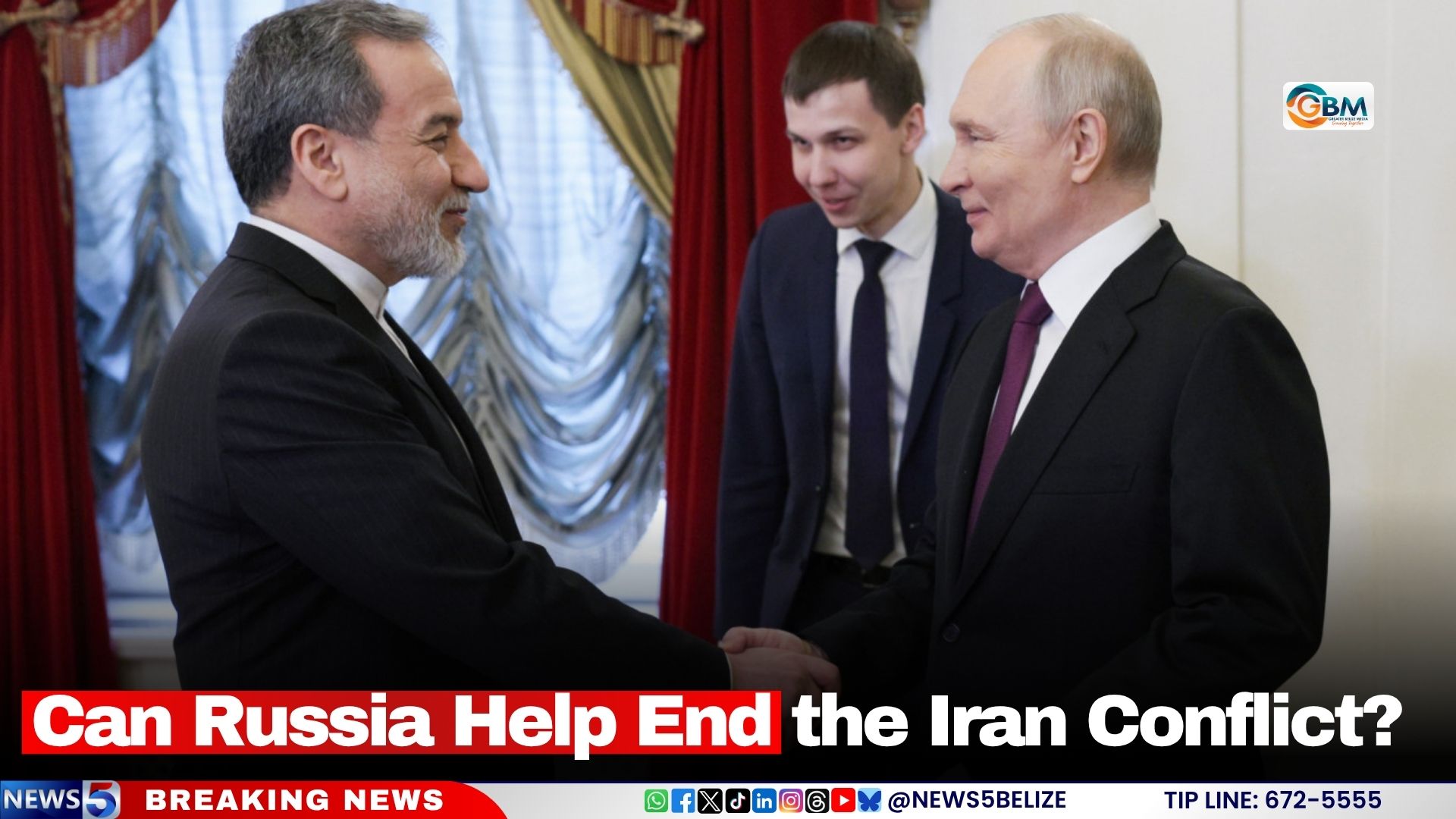
On April 27, 2026, a high-stakes diplomatic meeting between Iranian Foreign Minister Abbas Araghchi and Russian President Vladimir Putin unfolded in St. Petersburg, bringing a new layer of regional dynamics to the escalating long-running conflict between Iran and the United States. Photographs published on Araghchi’s official Telegram channel captured a formal, cordial handshake between the two top diplomats alongside senior delegations from both nations, setting a cooperative tone for the discussions.
In remarks carried by Russian state television, Araghchi framed the longstanding connection between Moscow and Tehran as a robust strategic partnership, one that both sides are committed to expanding in the coming months. Speaking to journalists after the closed-door talks, the Iranian foreign minister emphasized that his country has maintained a firm stance against pressure from what he called the world’s greatest superpower – the United States. He went on to assert that Washington has failed to secure any of its core policy objectives through its campaign of pressure on Iran, a remark that underscored Tehran’s continued defiance.
Russian Foreign Minister Sergei Lavrov later characterized the bilateral talks as productive, confirming that the in-depth discussions ran for approximately 90 minutes. Long before the face-to-face meeting, Kremlin spokesperson Dmitry Peskov had already publicly announced that Russia stands prepared to take on the role of mediator in future peace negotiations aimed at de-escalating the ongoing Iran conflict. This announcement positions Russia as a key potential broker in a standoff that has gripped global security for decades, as Moscow seeks to expand its diplomatic influence in the Middle East while deepening its economic and security ties with Tehran.
The meeting comes at a time of heightened friction across the Middle East, with U.S.-Iran tensions remaining at near-crisis levels after years of stalled negotiations over Iran’s nuclear program and regional military activities. By deepening bilateral cooperation and offering mediation, Russia is moving to solidify its role as a central player in Middle East peace processes, countering U.S. influence in the region while supporting its key ally Tehran.