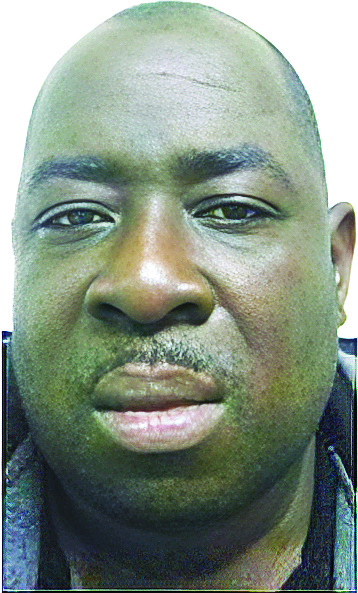
On a Thursday night, a brazen targeted attack in the crowded, tourism-focused Cable Beach area of New Providence left a high-profile alleged gang leader wanted for murder dead, sparking a massive immediate response from law enforcement. Fifty-five-year-old Mario Deveaux, also known by the alias “Mario Fox”, was discovered motionless with multiple gunshot wounds just after 10 p.m. near a Ford Taurus parked outside a gated residential property off Coral Road, a short distance from West Bay Street. First responders from Emergency Medical Services confirmed his death at the scene, with no signs of life detected.
According to initial law enforcement briefings, the entrance gate of the property was non-functional and left open at the time of the incident. Assistant Commissioner of Police Anton Rahming told reporters that Deveaux had arrived at the location, which authorities believe is his residence, alone before he was ambushed. “Once he came to that area, unknown persons exited what we believe to be an SUV vehicle and fired upon him, subsequently wounding him fatally,” Rahming stated in a press update. He added that the suspect vehicle fled the area heading east, and preliminary witness accounts place a dark-colored SUV speeding away from the crime scene moments after the gunfire stopped. Investigators suspect the people inside that vehicle are directly linked to the killing.
Law enforcement estimates three armed assailants carried out the attack, firing more than 40 rounds total. Both Deveaux’s body and his vehicle were left riddled with bullet holes, and investigators made a surprising observation at the scene: thousands of dollars in cash that Deveaux had on his person was left completely untouched, leading to early speculation that robbery was not a motive for the killing.
The shooting unfolded just steps from multiple commercial establishments along the popular Cable Beach tourist strip, including the major Sandals Royal Bahamian resort and the local favorite Curly’s Restaurant and Bar. In the wake of the attack, dozens of heavily armed police officers locked down the area, forcing temporary business closures, diverting foot and vehicle traffic, and allowing crime scene investigators to process evidence at the white residential property inside the gated community.
Deveaux was no stranger to law enforcement: he had been identified as an alleged gang leader years prior, and was named one of eight men featured on a 2017 police wanted poster for an outstanding murder charge. He was also publicly linked to the fatal shooting of another well-known alleged gang leader, Duran Neely, who went by the alias “Monster”, in August of the previous year. Investigators are currently exploring whether this killing is connected to Deveaux’s outstanding warrants or his suspected involvement in Neely’s death, though no official motive has been confirmed publicly as of the latest updates.
The killing has reignited longstanding public conversations about gang violence in the country. Years earlier, then-Police Commissioner Ellison Greenslade highlighted that most recent homicides in the nation could be traced back to ongoing feuds over drug trade and personal disputes. At the time, he emphasized that “prolific serial offenders” cannot be allowed to remain “free in our communities to continue to create fear” and potentially commit more violent crimes, and called on family members, friends and associates of known repeat offenders to “turn them into police before you become targets”.
For advocacy groups that support families affected by homicide, the brazen public attack is another devastating example of the endless cycle of violence plaguing communities. Khandi Gibson, president of Families of All Murder Victims (FOAM), expressed renewed concern over the killing, warning of the unbroken cycle of retaliatory violence and its lasting harm on innocent family members. “I’ve been doing FOAM for many years, and I’ve seen the hunter become the hunted,” Gibson noted. She added that while violence often cycles between perpetrators and victims, the deepest, longest-lasting damage is inflicted on the loved ones left behind, particularly children and extended relatives who struggle with unresolved grief for years after funerals end.
Gibson also issued a call for careful handling of information during the active investigation, warning that premature release of suspect details can spark additional retaliatory attacks and put innocent bystanders at unnecessary risk.